
Last updated November 18, 2026
 Hardwood
 Engineered hardwood
 Luxury vinyl plank
 Laminate
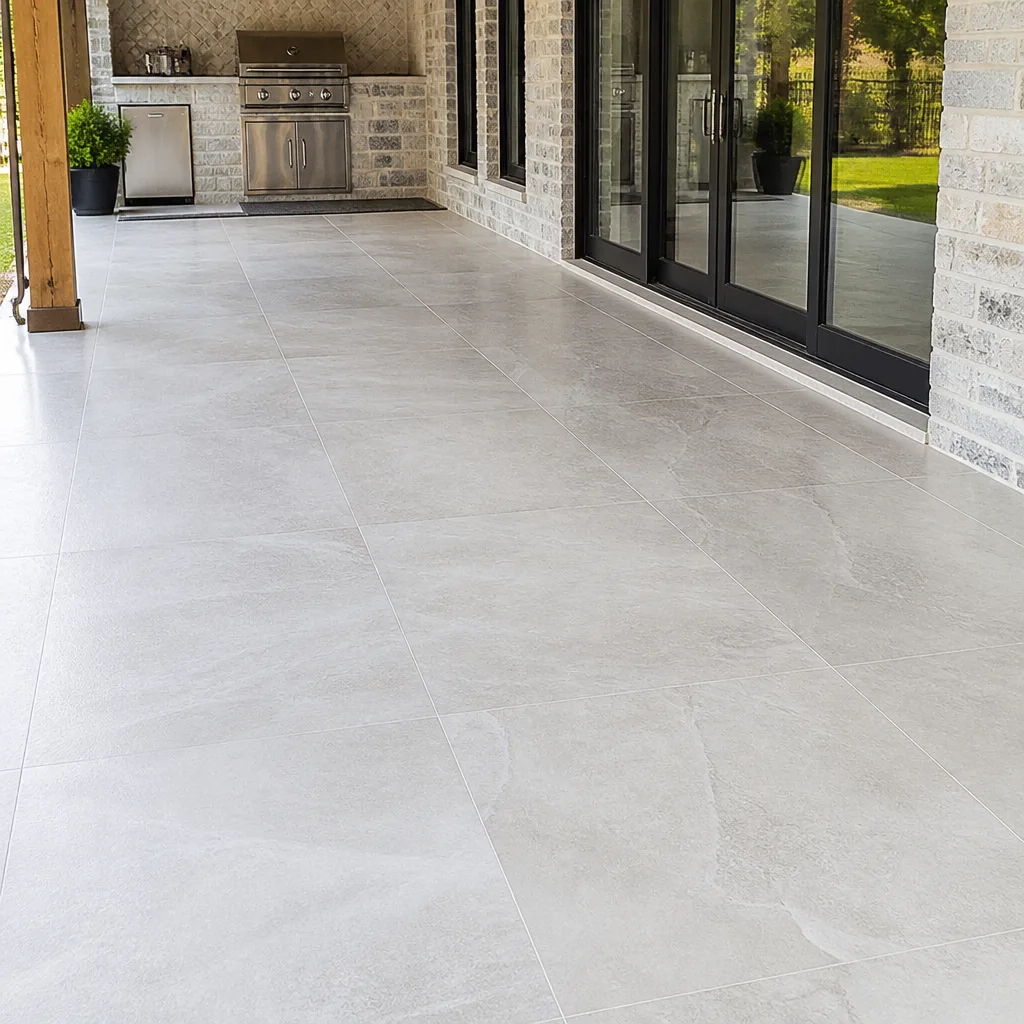 Porcelain tile
 Carpet
 Shaw
 Mohawk
 COREtec
 Pergo
Free in-home measure and written estimate: Shaw, Mohawk, COREtec and Pergo lines compared on your own rooms, with carpet, tile, vinyl plank, laminate and hardwood laid out side by side
Get your free estimateHow to Hire a Flooring Contractor in Spring Valley: A Step-by-Step Guide
The most common misconception about hiring a flooring contractor is that the lowest labor quote is the best deal. It rarely is. Flooring is one of the few home improvements where the work is mostly invisible: the part you see is the surface, and the part that determines whether that surface lasts is everything underneath it. When a bid comes in far under the others, the missing money is usually missing preparation, missing acclimation, or missing accountability when something goes wrong.
This guide walks you through the three checkpoints most homeowners skip when hiring in Spring Valley: verifying a Nevada contractor’s license, insisting on a written scope of work, and assigning subfloor responsibility before anyone starts. Get those right and the rest of the decision gets much simpler.
Quick Answer
To hire a flooring contractor in Spring Valley, verify the contractor’s Nevada license through the state contractor board before anyone enters your home, get a written scope of work that names materials, preparation steps, and who is responsible for the subfloor, and confirm who will actually install the floor. Skip any of those three and you lose your main recourse if the installation fails.
Styles & brands we work with
- Hardwood
- Engineered hardwood
- Luxury vinyl plank
- Laminate
- Porcelain tile
- Carpet
- Shaw
- Mohawk
- COREtec
- Pergo
Table of Contents
- Why License Verification Comes First in Nevada
- How to Check a Contractor’s License With the State
- What a Real Written Scope of Work Looks Like
- Subfloor Responsibility: Get It in Writing
- Who Is Actually Installing Your Floor?
- Red Flags in a Flooring Bid
- Matching Product to Your House and Your Life
- What Happens at a Free In-Home Estimate
Why License Verification Comes First in Nevada
Nevada requires flooring contractors to hold a state contractor’s license. That single fact filters a large share of the people advertising installation work on classifieds sites and neighborhood social groups around Spring Valley. An unlicensed installer can be cheaper on paper because they carry no license, no bond, and no insurance behind the work. The tradeoff is that when a floor buckles eight months later, you have no board to complain to, no bond to claim against, and often no working phone number.
This isn’t about being suspicious of every independent tradesperson. Plenty of skilled installers work for licensed companies or hold licenses themselves. The point is that you can’t tell from a friendly handshake or a good price. You need to check.
What a license actually gets you:
- A paper trail. The state keeps a record of the license, its status, and its history. If it’s been suspended or revoked, that shows up.
- A complaint process. If work is defective or abandoned, there’s an official channel. Without a license, your only recourse is civil court.
- Basic accountability. Licensed contractors have something to lose. That changes how they handle problems.
The check takes a few minutes and you can do it before you ever pick up the phone to schedule an estimate. Ask for the license number when you call, write it down, and verify it yourself. A contractor who hesitates or deflects on that request has told you something important.
How to Check a Contractor’s License With the State
Nevada’s contractor licensing and verification runs through the Nevada State Contractors Board, usually shortened to NSCB. The board maintains a public database you can search by license number, business name, or the name of the qualifier. Verification is free and doesn’t require an account.
- Ask for the license number on the first call. Not the company name alone. The number is what ties a specific business to a specific license.
- Search the NSCB database yourself. Enter the number and confirm the name on the license matches the name on the bid and the contract.
- Check the license status. Active is what you want. Look at whether it’s current and whether the classification covers flooring work.
- Look at the history. The record shows complaints and disciplinary actions where they exist. Read them.
- Confirm the classification. Flooring installation falls under specific license classifications in Nevada. Ask the contractor which one they hold and whether it covers the work you’re hiring for.
- Cross-check the name. The bid, the contract, the license, and the insurance certificate should all name the same entity. Mismatches are a warning sign.
One detail homeowners in Spring Valley tend to overlook: ask whether the company carries general liability insurance and workers’ compensation, and ask for certificates. If an uninsured worker is injured in your home, the situation can become your problem. Licensed contractors should be able to produce documentation without drama.
If you’re comparing several bids, verify every one of them. It’s tempting to check only the front-runner, but the comparison only means something if all the bidders clear the same bar.
What a Real Written Scope of Work Looks Like
A written scope of work is the document that decides what happens when the job doesn’t go perfectly. It should be specific enough that two different people reading it would picture the same finished floor. Vague language is where most disputes begin, and it costs you in ways that don’t show up until the work is underway.
The three phrases to watch for are “prep as needed,” “install per manufacturer specs,” and “materials included.” All three sound reasonable. None of them tell you what’s actually going to happen in your house.
“Prep as needed” is the most expensive phrase in flooring. It means the contractor has left the door open to charge for floor leveling, patching, moisture mitigation, or removal of old material once work begins, with no number in the original bid. By then you’ve already committed and the old floor may be gone. A proper scope names the preparation steps and either prices them or states clearly what will be assessed at the estimate visit and quoted in writing before installation.
“Install per manufacturer specs” is technically fine and practically meaningless to a homeowner. The real question is whether the installer will follow those specs, and whether they know what they are for the specific product. A written scope spells out how the floor will be laid, what transitions and trim are included, and what happens at doorways, appliances, and stairs.
Here’s what belongs in a scope of work for any floor installation:
- The exact product, brand, and color or style, with a quantity that accounts for cuts, waste, and a small reserve.
- Whether old flooring removal and disposal is included, and what it covers.
- The preparation steps: what will be done to the existing surface before new material goes down.
- Acclimation: that it will happen, where, and who is responsible for it.
- Transitions, thresholds, trim, and baseboard handling.
- What happens with furniture, appliances, and door clearance.
- Payment schedule and how changes to the scope get priced and approved.
- Who is responsible for the subfloor, stated in plain language.
If a bid you receive is one page with a total number and a handshake, ask for more. A contractor who resists putting the scope in writing is telling you how they’ll handle the change order conversation later. For a closer look at how a specific install is scoped, our page on carpet installation shows the level of detail we put into a written estimate.
Subfloor Responsibility: Get It in Writing
Subfloor accountability is the checkpoint almost everyone skips, and it’s the reason a lot of floors fail. The subfloor is whatever is underneath your finished floor: a concrete slab in most Spring Valley homes, or a wood subfloor in some older construction. It has to be sound, clean, and dry enough for the new material. Nobody wants to talk about it because it’s not visible once the job is done. But almost every installation problem that shows up months later traces back to it.
Two things go wrong. First, the contractor assumes the surface is fine and lays new flooring over a problem that was already there. Second, the contractor finds a problem during work and adds a charge with no prior agreement, and you pay it because the old floor is now in a dumpster.
Both are avoidable with one line in the contract: a statement of who is responsible for evaluating and preparing the subfloor, what standard has to be met, and how any issue found will be priced and approved.
Spring Valley’s climate matters here. This is a desert valley, which means swings between dry summer heat and cooler winter months, and homes here tend to run humid indoors in summer when the air conditioning is working hard. That affects how flooring materials behave. Products need time to adjust to the home’s conditions before installation, and what “adjusted” means depends on the product and the house. Anyone who skips that step or gives you a fixed number of days without checking your home’s actual conditions is taking a shortcut. Ask about acclimation specifically, and ask who owns the decision.
Concrete slabs bring their own considerations. Moisture moves through concrete, and some flooring materials tolerate that better than others. The right approach depends on the product, the site, and the home. Ask the contractor how they assess the slab and what they do if the result isn’t what the new floor needs. The Spring Valley area’s housing stock is varied, and a contractor who gives the same answer for every home hasn’t actually looked at yours.
Who Is Actually Installing Your Floor?
Ask, directly, whether the people installing your floor are employees of the company or subcontracted day labor. The answer affects how problems get handled, who shows up on install day, and whether there’s any continuity between the person who measured your home and the person laying the material.
This isn’t about whether subcontractors are somehow dishonest. Many are excellent craftspeople. But when a company subcontracts installation with no ongoing relationship, quality control is thinner, and if something goes wrong the homeowner is often caught between the company and the crew, each pointing at the other. Asking the question puts you in a position to make an informed decision.
Questions worth asking about the crew:
- Are the installers direct employees or subcontracted for each job?
- Who is on site to supervise or check the work?
- Who do I call if something looks wrong during or after installation?
- Has this crew installed this specific product before?
- What’s the process if a section needs to be redone?
Our technicians have up to 8 years of experience, and we work with independent local professionals who perform the installation. We tell customers that clearly because it’s the honest answer, and because a homeowner who understands the structure of the job can ask better questions and get a better outcome. The same is true for tile flooring installation, where layout decisions and the condition of the substrate matter as much as the tile itself.
Red Flags in a Flooring Bid
Most bad flooring experiences share a pattern, and you can often spot it before you sign anything. Here’s what to look for.
A labor quote that’s dramatically below the others
Flooring labor isn’t a place where a big discount is hiding unless something’s been left out. When one bid is significantly lower than every other, the missing cost is usually subfloor preparation, old material removal, or trim work. Expect to find out later. Ask the bidder to itemize what they’ve included and what they’ve excluded.
No mention of acclimation
If the bid says nothing about letting the material adjust to the home before installation, that step is either not planned or not priced. In a place with Spring Valley’s dry summer heat and indoor humidity swings, that matters for how a floor settles and performs. A bid that skips it is skipping something.
Cash-only payment structure
Payment in cash with no written contract and no receipt is the structure that leaves you with nothing to point to if the job goes wrong. Licensed contractors have a business entity, a bank account, and a paper trail. Ask about payment schedule and expect a deposit, a payment at a defined milestone, and a final payment on completion, all in writing.
Pressure to decide on the day of the estimate
A real estimate doesn’t expire in the next hour. If you’re being pushed to sign before you’ve had time to compare bids or verify a license, the push is the message. Take the number home and sleep on it.
No clear answer on subfloor responsibility
If the question makes the contractor uncomfortable or they wave it off, that tells you about how the change order conversation will go. A professional expects the question and answers it plainly.
Brand names you can’t pin down
Good contractors can tell you exactly which products they work with and why certain ones fit certain homes. Vague claims about “premium materials” without a name attached are a sign that the product decision is being made for the company’s convenience rather than yours.
Matching Product to Your House and Your Life
The product decision and the contractor decision are linked. A good contractor helps you match flooring to how you actually live, then installs it in a way that respects the product’s requirements. Choose the wrong product and even a perfect installation ends up a disappointment. Choose well and the floor holds up.
Here in Spring Valley, the questions we hear most often fall into a few categories: households with kids and pets who need something that handles spills and daily traffic, homeowners who want a soft surface in bedrooms, and homeowners with existing hardwood who’d rather restore it than replace it. Each has a different answer.
What to think about when choosing:
- Traffic and moisture. High-traffic areas and rooms with more moisture exposure want materials built for that. Pet-resistant and water-resistant luxury vinyl options like the COREtec and LifeProof lines are designed with tougher households in mind, though standing water or moisture coming up through the slab still has to be handled.
- Softness and warmth. Carpet remains the practical choice for bedrooms and areas where comfort matters. Brands like Shaw and Mohawk offer broad selections, and a specialist can narrow the field to what suits the room.
- Tile and wet areas. For kitchens, bathrooms, and entryways, tile is a long-standing, hard-wearing option, and Daltile supplies professional-grade tile suitable for those spaces.
- Design intent. If you care about how the floor looks and want options above what’s typically stocked, brands like Karndean give you more premium design choices in the vinyl category.
- What you already have. If you have hardwood worth restoring, refinishing is often the better decision. It depends on the thickness of the wood and its condition, which is something we check at the estimate visit. We don’t promise every floor can be refinished or that a stain will match a sample exactly.
Your floor, your call. Our role is to lay out what each option really means for your rooms and your household, then give you a written price you can hold us to. You can find the full portfolio and how we work at Spring Valley Floors.
What Happens at a Free In-Home Estimate
The in-home estimate is where the three checkpoints get settled. It’s also where you learn most of what you need to know about the contractor: how they listen, what they measure, and how much they actually look at instead of eyeballing.
- Measurement and room assessment. They measure the rooms properly, check the shape of the space, and note doorways, closets, and any areas that will need additional work.
- Subfloor check. They look at what’s under the existing flooring and flag anything that needs attention before a new floor goes down. Ask them to walk you through what they find.
- Product discussion. They talk through the products that fit your home and your household, with clear reasoning for each, and answer your questions without a script.
- Scope conversation. They walk through the written scope, including removal, preparation, transitions, trim, and disposal. Ask what’s not included, and get the answer in writing.
- Written estimate. You get a written price that reflects the scope. The written estimate sets the final price, and the installation is scheduled after you’ve had time to look it over.
The estimate is free. We don’t charge for it and we don’t expect a decision on the spot. If you’re comparing two or three bids, that’s exactly right.
Common Mistakes to Avoid
- Skipping the NSCB check. A surprising share of installers advertising in Spring Valley aren’t licensed in Nevada at all, and homeowners don’t find out until they need recourse. Verify every bidder, not just the one you’re leaning toward.
- Accepting “prep as needed.” That phrase leaves the cost and the standard undefined until the work is underway. Ask for the preparation steps to be named and priced.
- Not asking who owns the subfloor. If neither you nor the contractor has explicitly agreed who evaluates and prepares the subfloor, you’ve left the most consequential part of the job unassigned.
- Assuming the crew is the company. Ask whether the installers are direct employees or subcontracted, and who is accountable if a section needs redoing. The answer determines who you contact when there’s a problem.
- Choosing a product with no help. Buying a floor on appearance alone and then finding out it doesn’t suit your household is a costly lesson. Match material to traffic, moisture, and room use before you commit.
- Paying in cash with no contract. Payment schedules belong in writing. A deposit and milestone payments tied to the scope protect both sides.
- Scheduling before the floor acclimates. Material needs time to adjust to your home’s conditions. Skipping that step because someone wants the job finished quickly can show up later as gaps or movement.
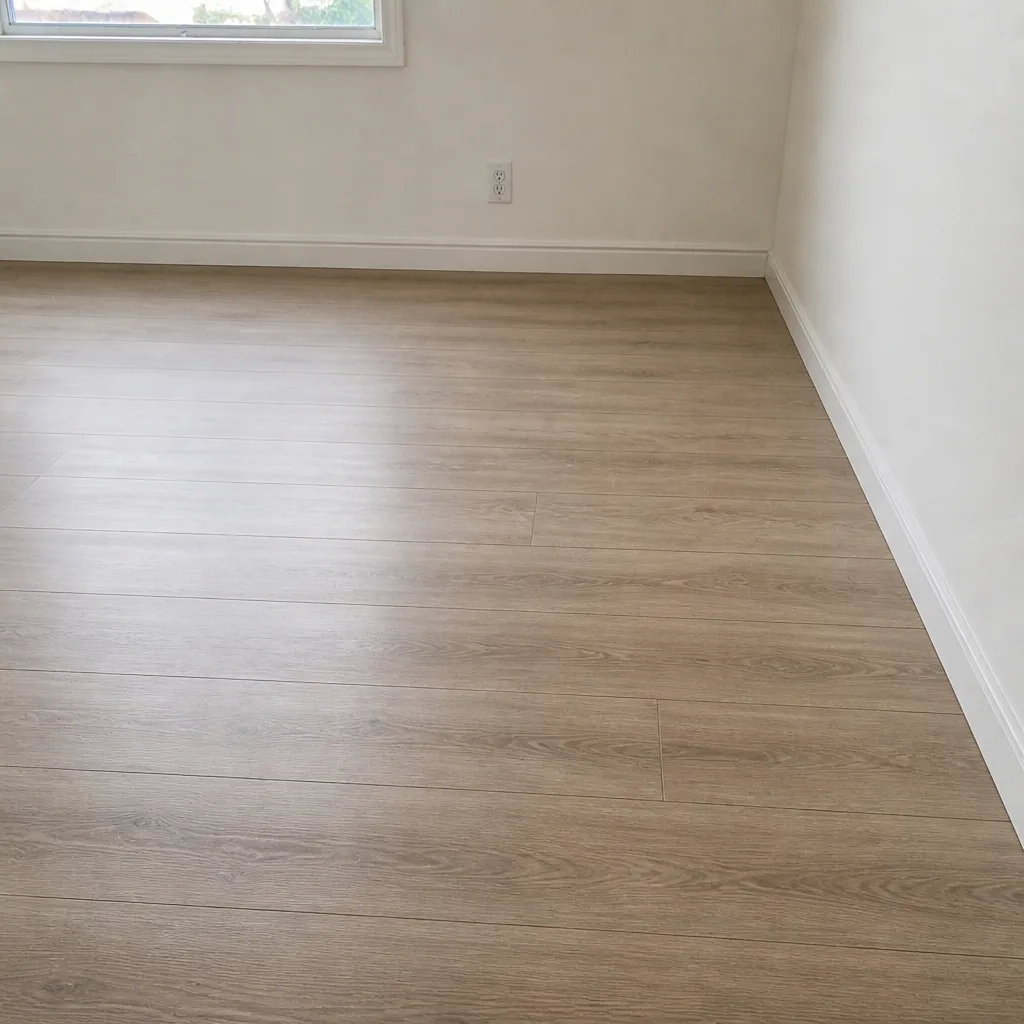
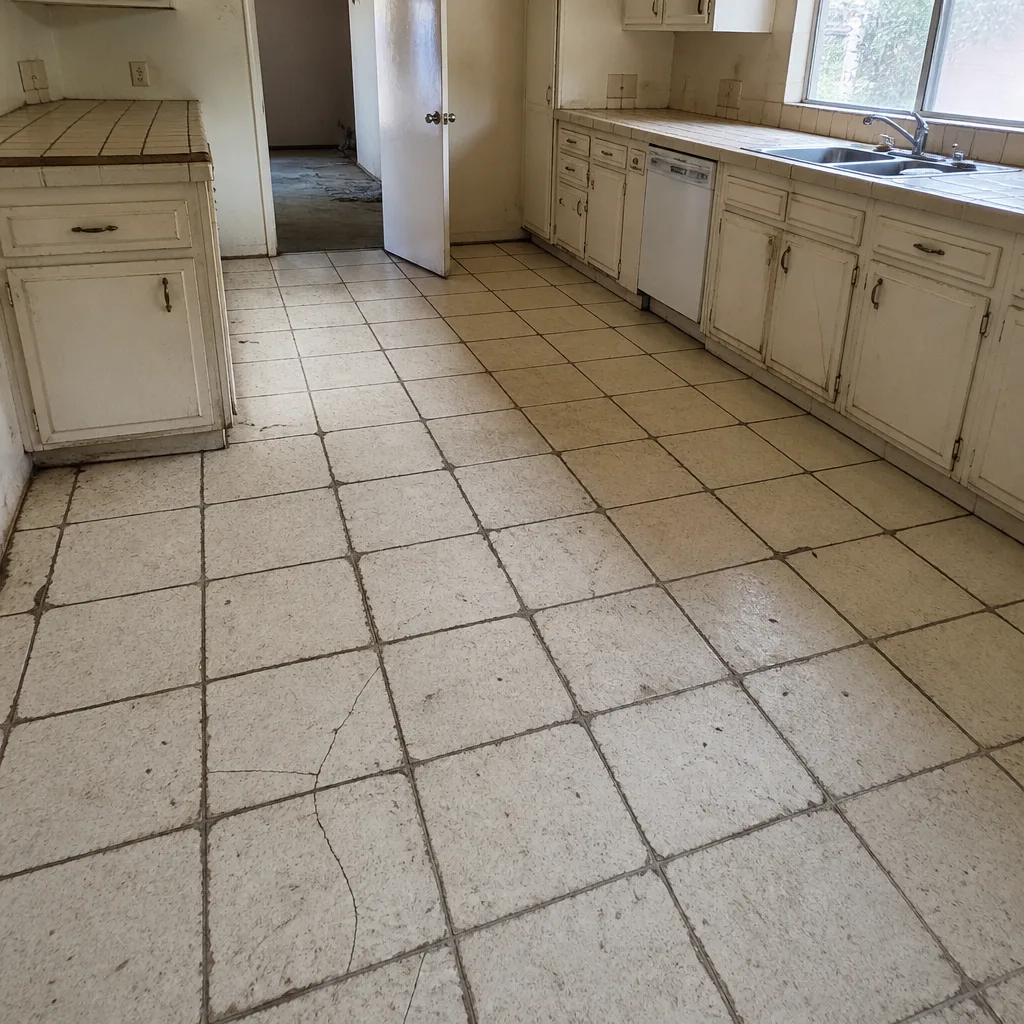
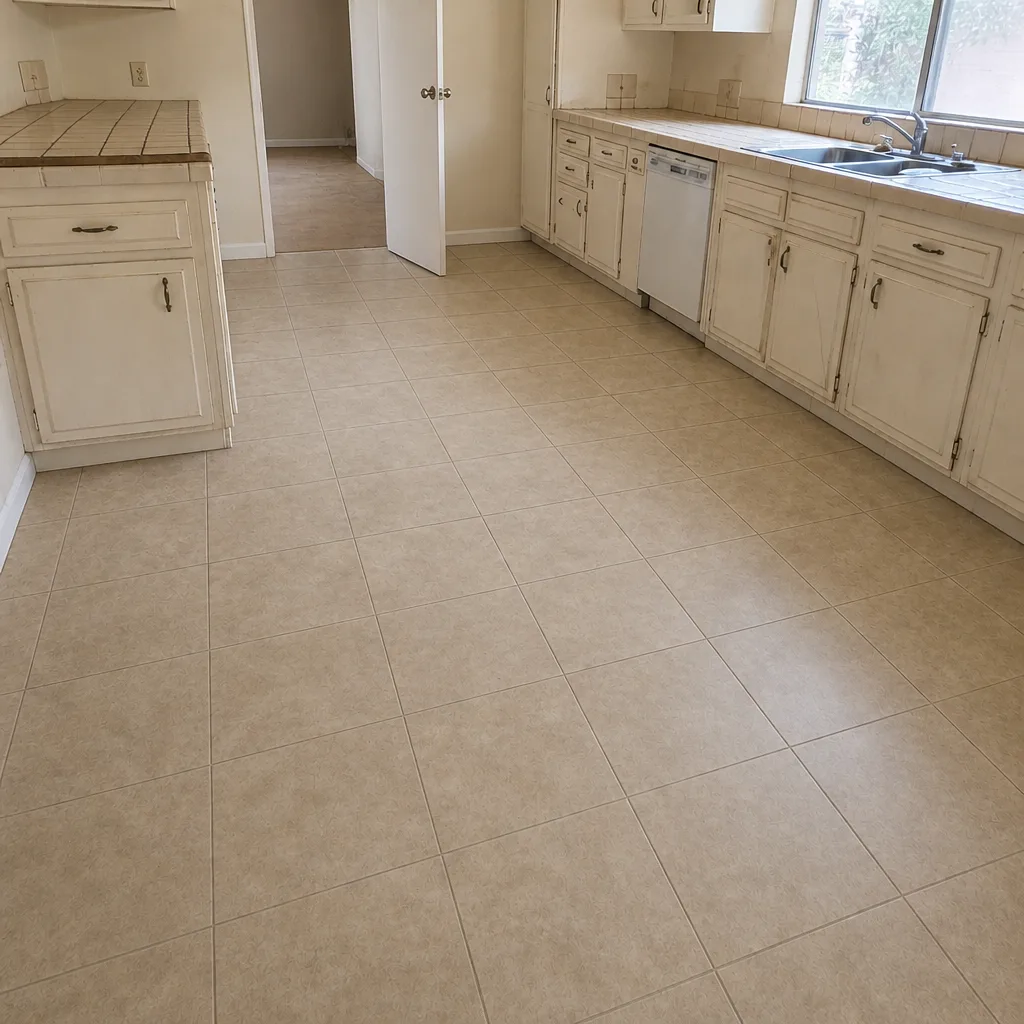
See the difference
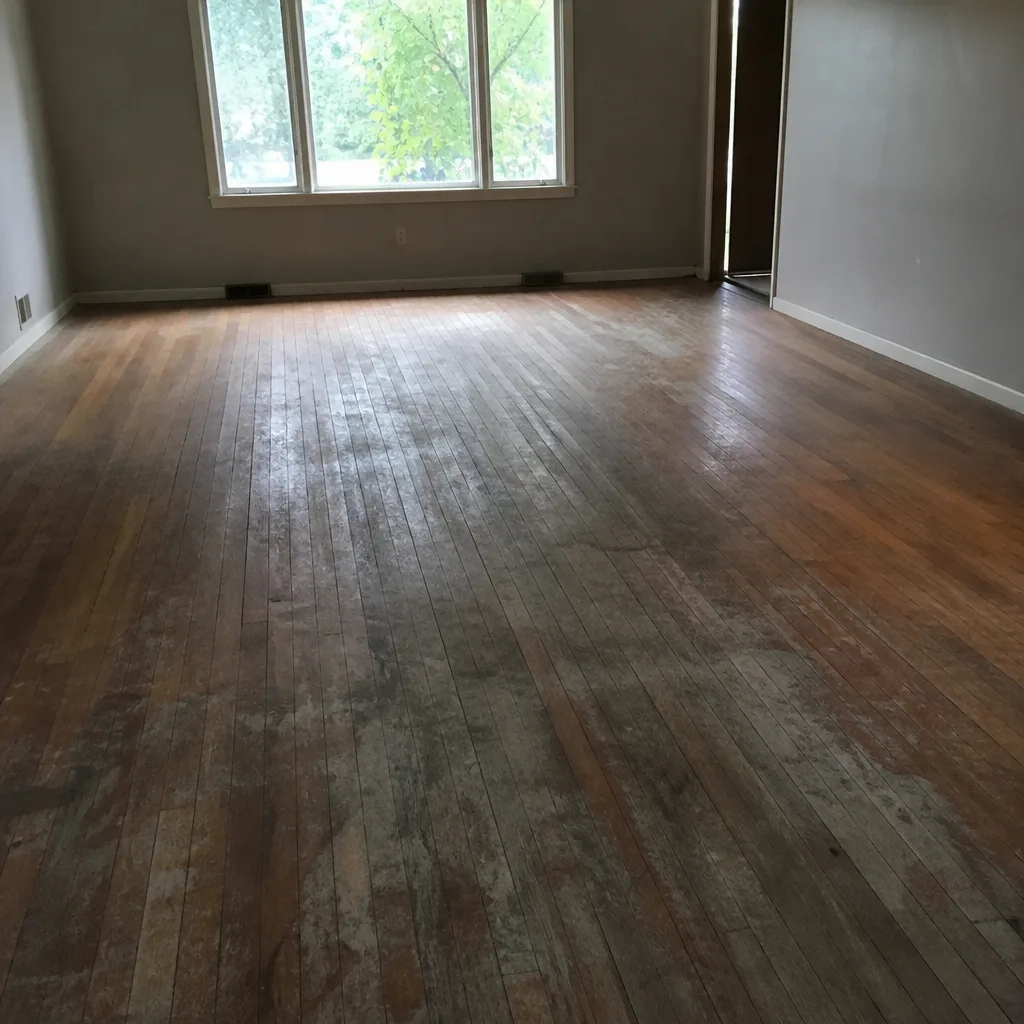 Before
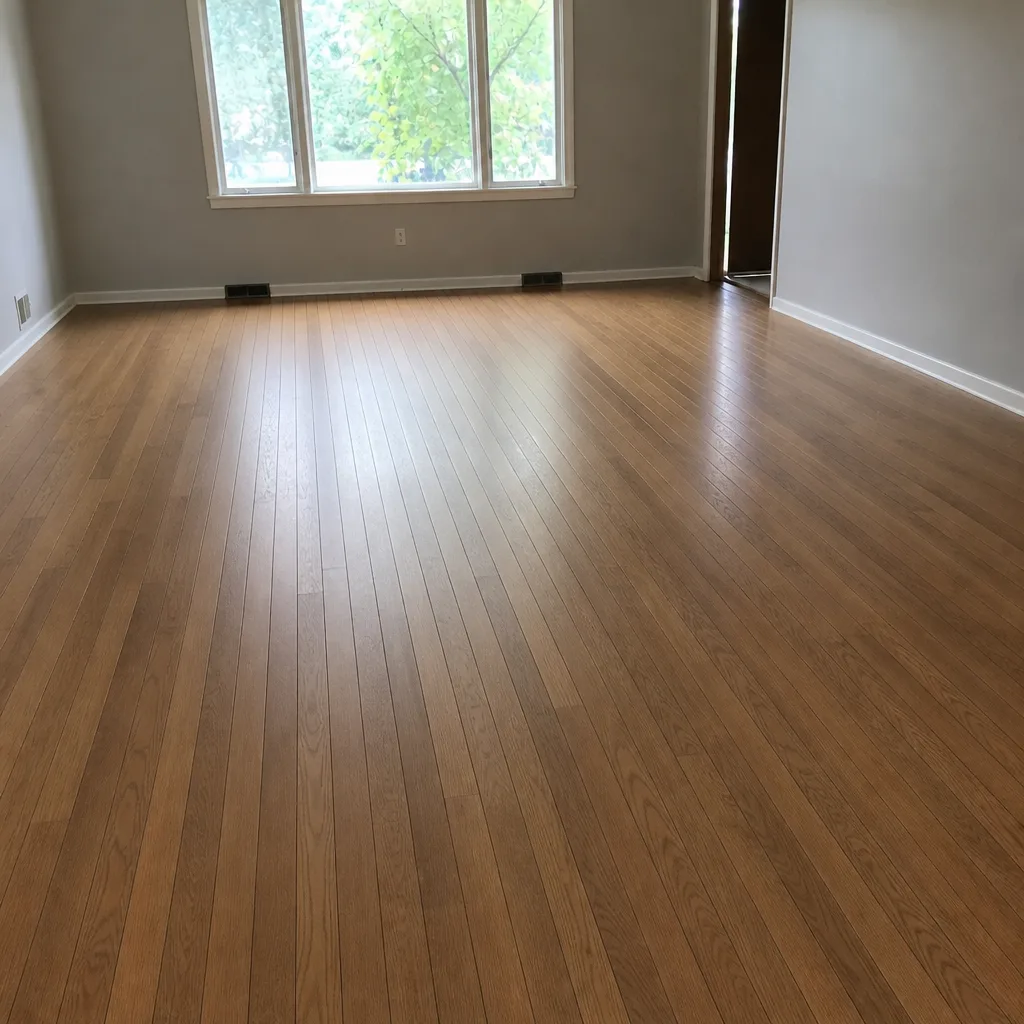 After
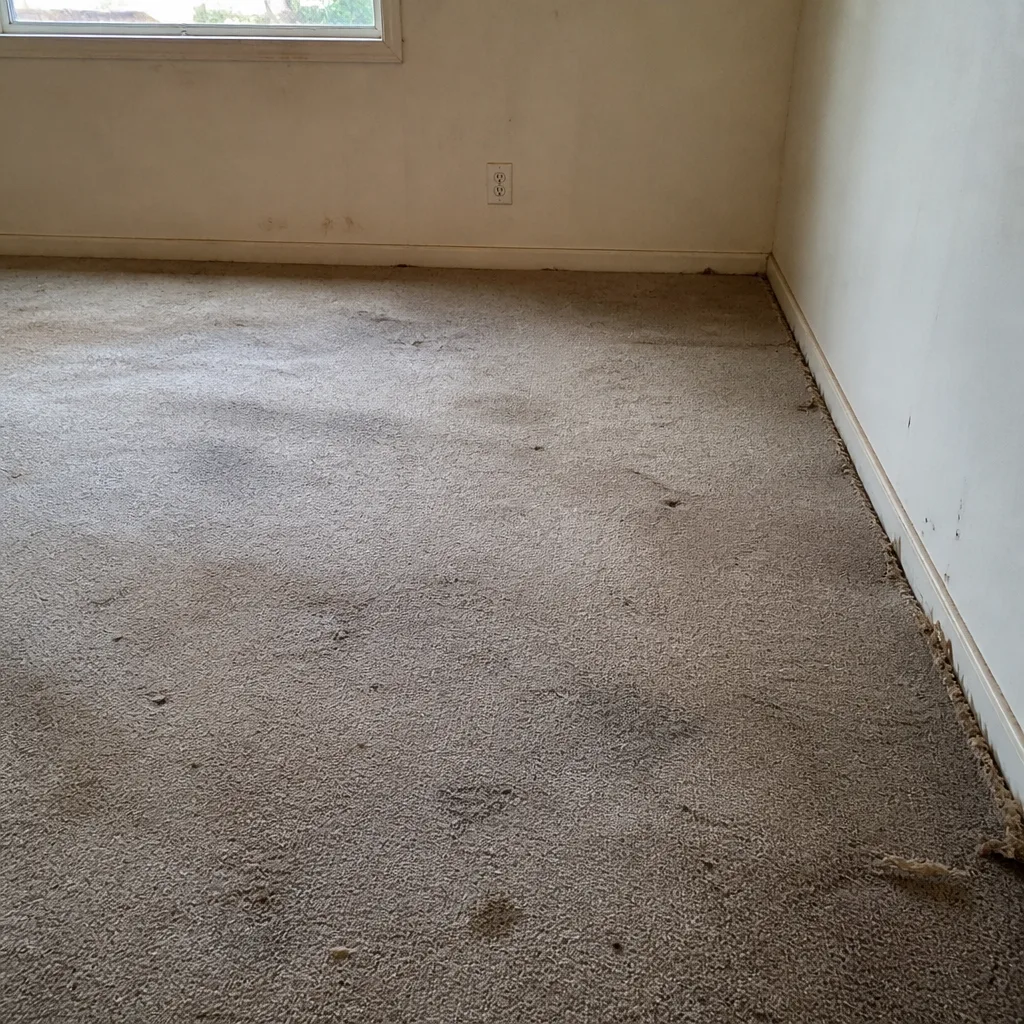 Before
 After
 Before
 After
When to Call a Professional
Some flooring work is genuinely a job for a trained installer. If your floor is over a concrete slab that may have moisture issues, if you’re dealing with old hardwood whose thickness is uncertain, or if you’re planning tile work in a wet area, the margin for error is small. The same is true when the existing floor needs removal and disposal, when door height and transitions get complicated, or when you want a single company accountable for carpet, tile, and hardwood refinishing rather than coordinating three trades. Safety matters too: if you have a garage door spring issue or any other component outside your flooring scope, that’s a different call entirely, and it always belongs to a trained professional. Spring Valley Floors offers free estimates in Spring Valley; call (833) 734-5027 to schedule yours.
Frequently Asked Questions
Ask for the license number, then look it up yourself in the Nevada State Contractors Board’s public database. Confirm the name matches the bid and check the status and history. We answer 24/7 if you want a number to compare against. Call (833) 734-5027 for a free estimate.
Yes. The estimate is free, and it includes measuring the rooms, checking the subfloor, and talking through product options. You get a written price and no pressure to decide on the spot. Call (833) 734-5027 to schedule your free estimate.
Cost depends on the material, the square footage, and what the subfloor needs, which is why a written estimate is the only reliable number. Prices are set per job, and the written estimate sets the final price. Call (833) 734-5027 for an exact quote, and estimates are free.
Sometimes yes, and it’s worth finding out before you commit to replacement. Whether a floor can be refinished depends on the thickness of the wood and its condition, which gets assessed at the estimate visit. We won’t promise a refinish or a stain match without looking at your floor first. Call (833) 734-5027 to get that assessment on the schedule.
It means the contractor has reserved the right to charge for floor preparation once they’re already working, with no number in the original bid. A good scope names the preparation steps and prices them up front. Ask for that, and call (833) 734-5027 if you’d like to see how a written scope looks.
Installation length depends on the material, room size, and what the subfloor needs, so we don’t quote a length of days in the estimate. The schedule gets set at the estimate visit and confirmed in writing. Call (833) 734-5027 and we’ll walk you through what your rooms will realistically involve.
We work with a portfolio of nine flooring brands, including Shaw, Mohawk, Daltile, and Karndean, so you can compare options through one source. Installation is done according to the product’s requirements and the written scope. Call (833) 734-5027 for a free estimate.
The Bottom Line
Hiring a flooring contractor in Spring Valley comes down to three checkpoints: verify the Nevada license through the NSCB, get a written scope of work that names materials and preparation, and confirm in writing who is responsible for the subfloor. Get those right and the rest of the hiring decision falls into place. A fair bid isn’t the cheapest one; it’s the one that’s complete, itemized, and accountable when something goes wrong. Choose the contractor first, choose the product with help, and let the written estimate be your number.
Ready to compare options and see a written price? Call (833) 734-5027 for a free estimate. We answer 24/7. Fast dispatch from 7am to 7pm, Sunday through Friday.
Written by the team at Spring Valley Floors.