
Last updated November 18, 2026
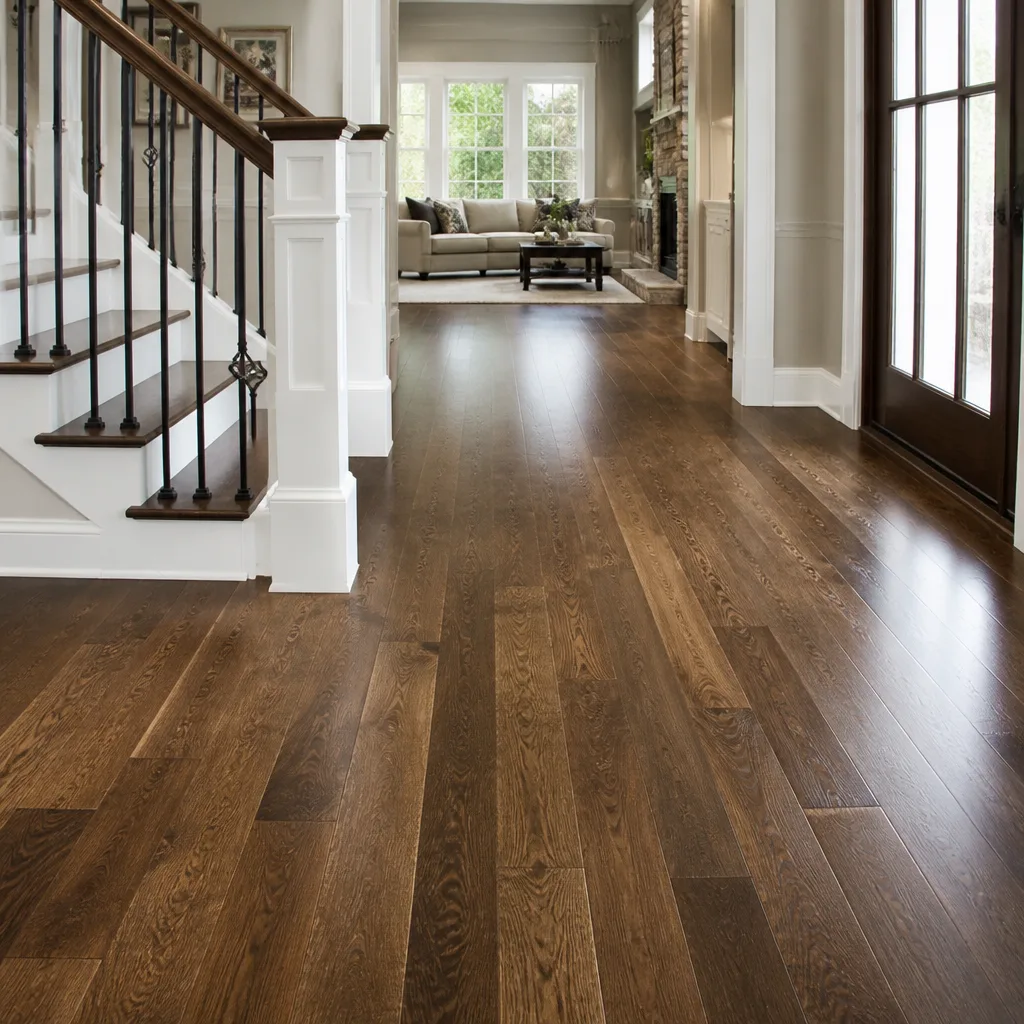 Hardwood
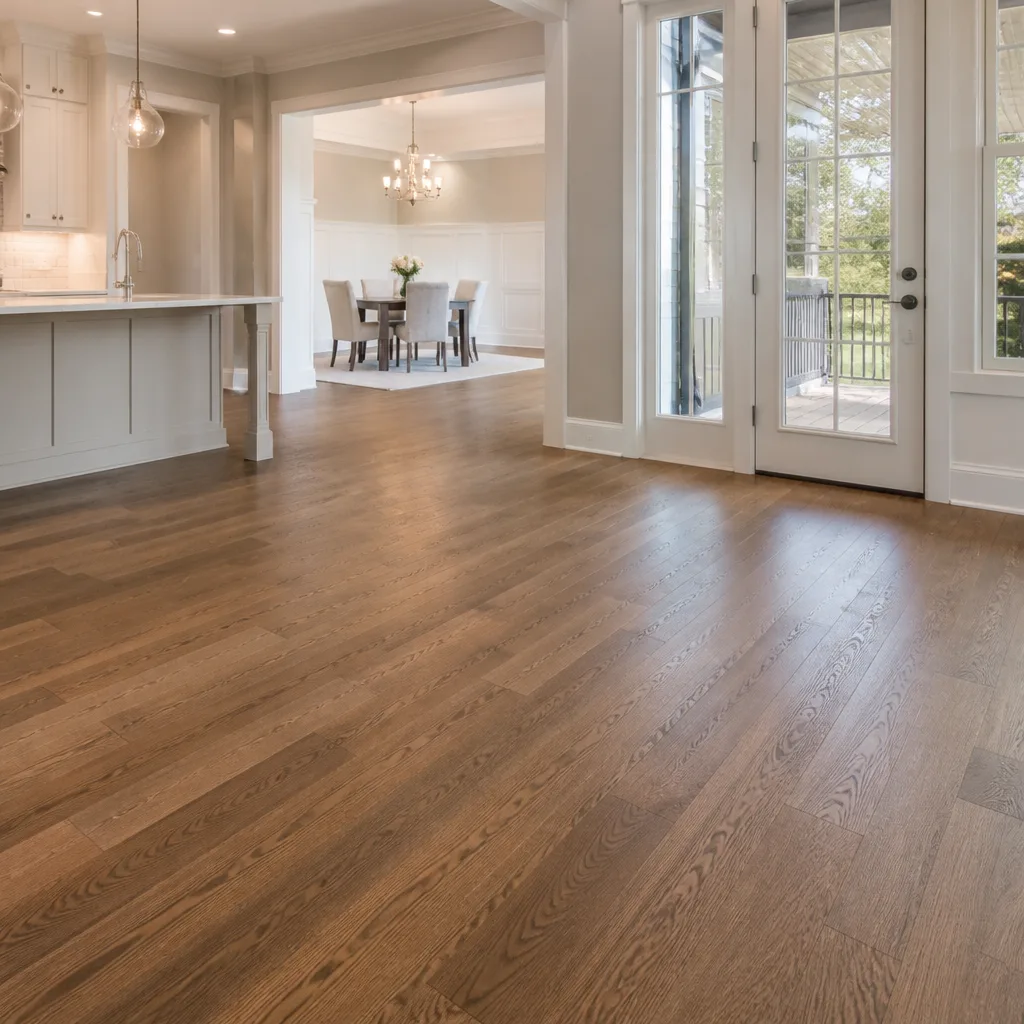 Engineered hardwood
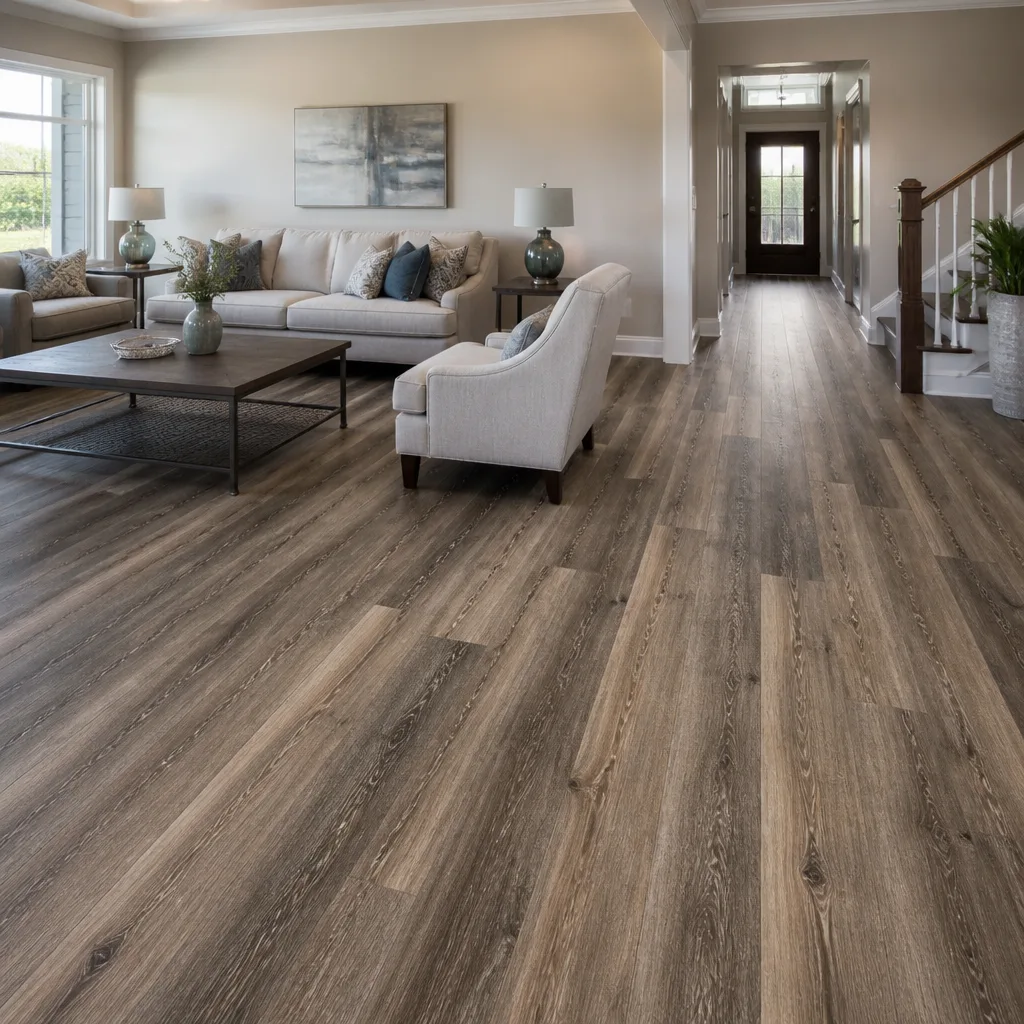 Luxury vinyl plank
 Laminate
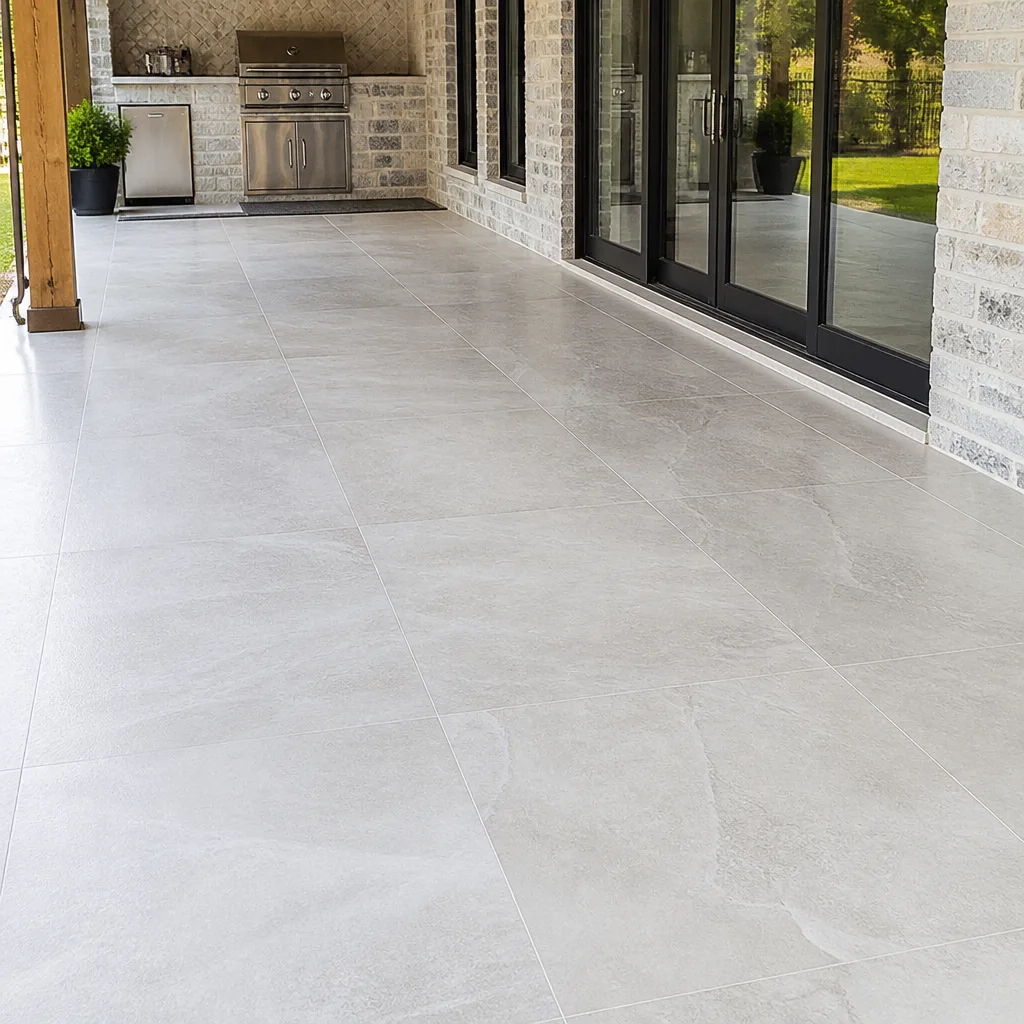 Porcelain tile
 Carpet
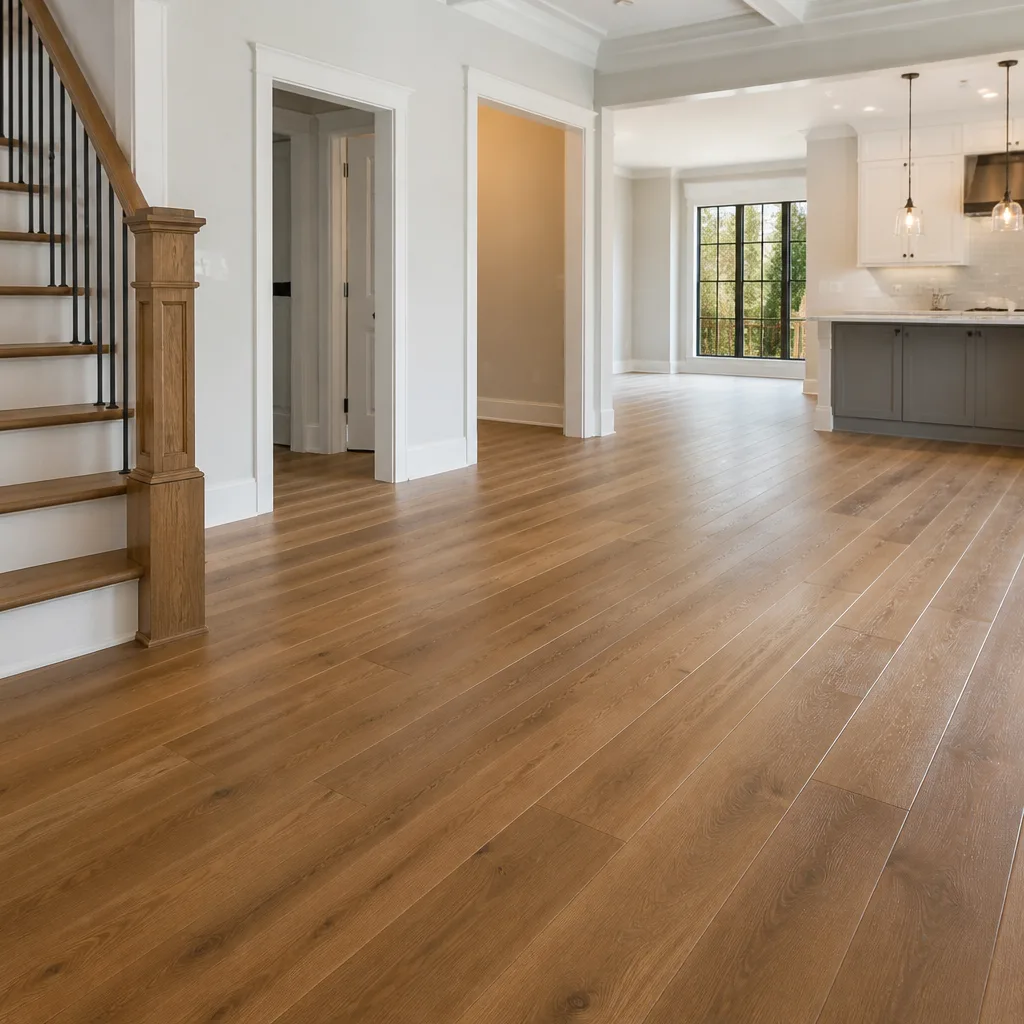 Shaw
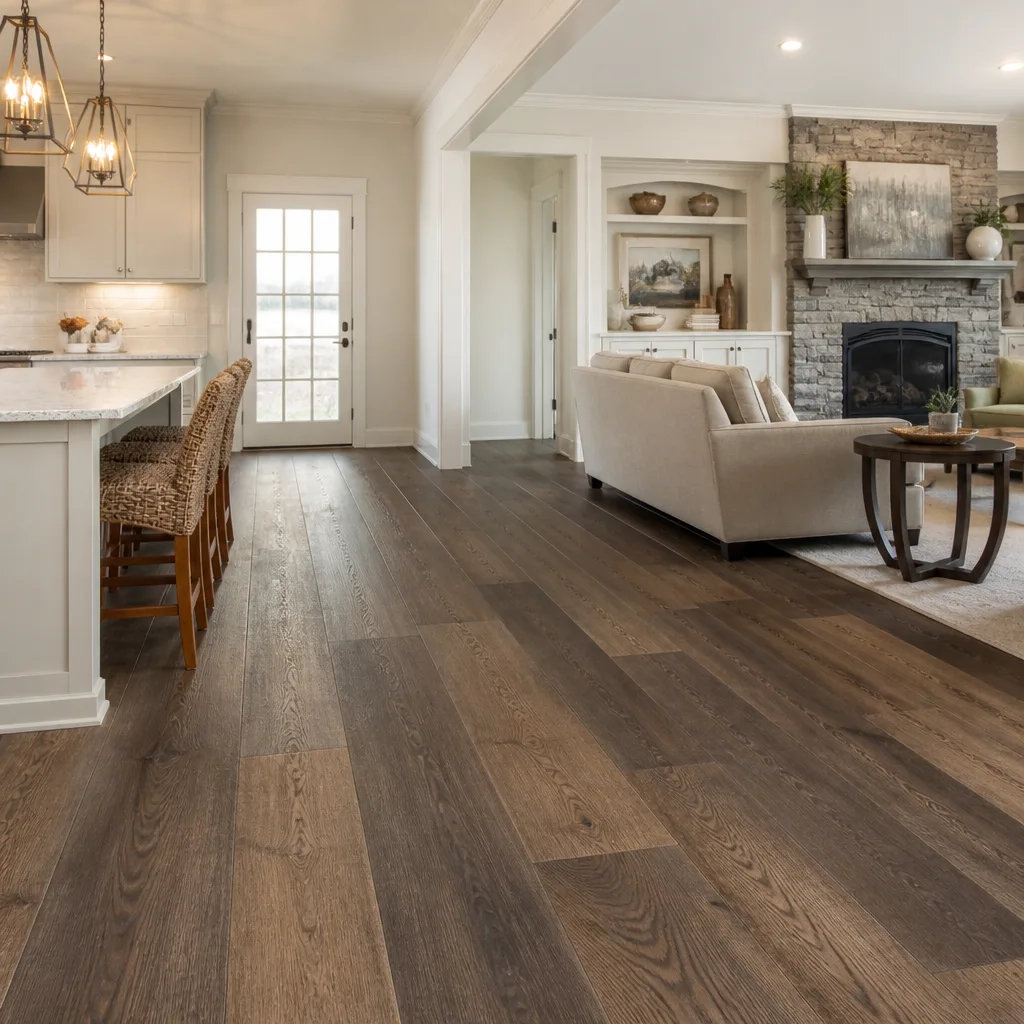 Mohawk
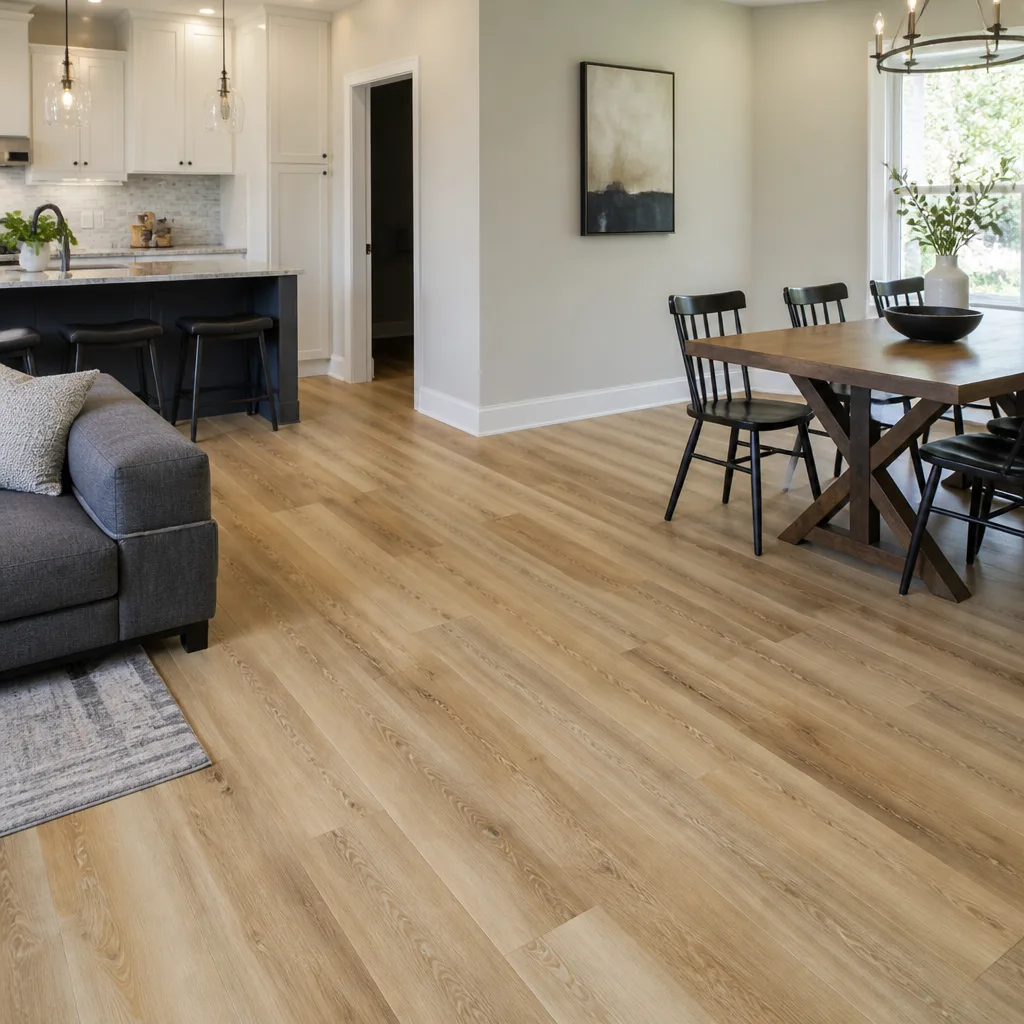 COREtec
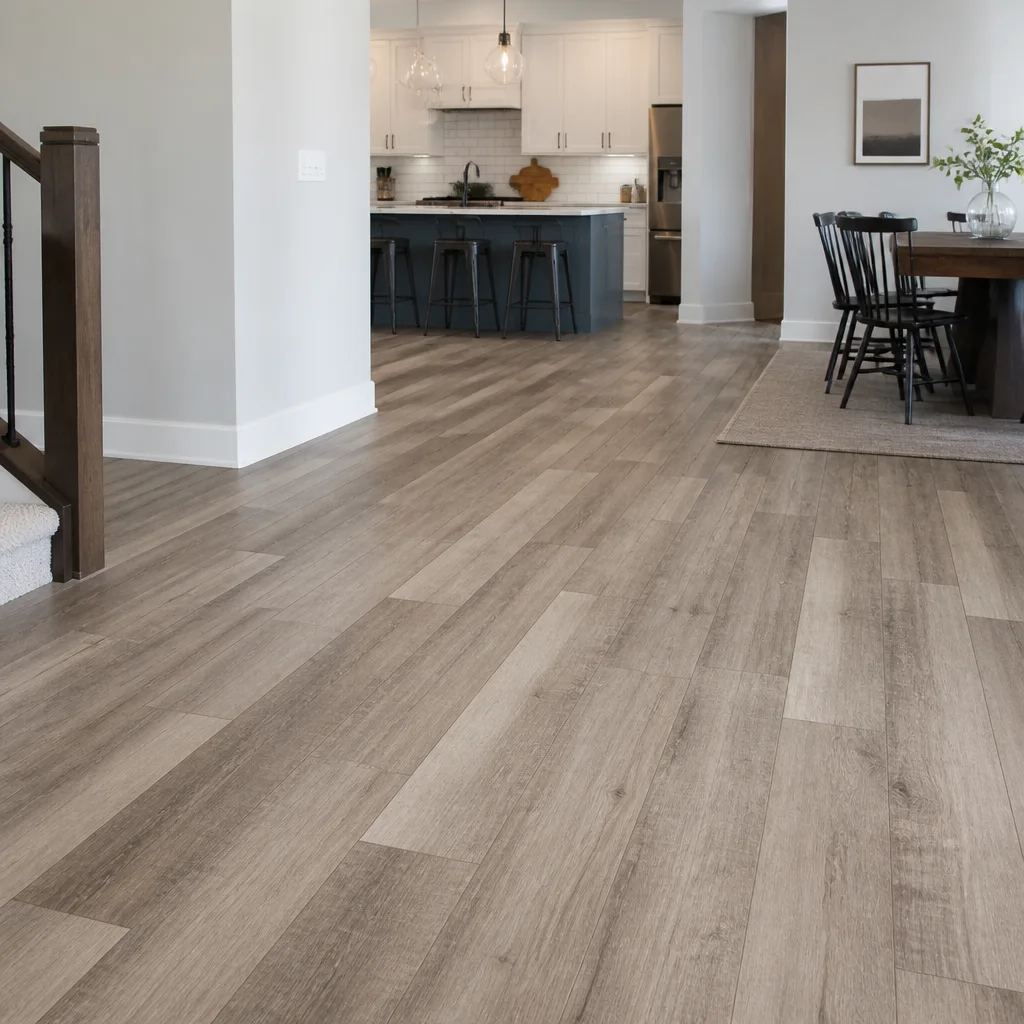 Pergo
Free in-home measure and written estimate: Shaw, Mohawk, COREtec and Pergo lines compared on your own rooms, with carpet, tile, vinyl plank, laminate and hardwood laid out side by side
Get your free estimateHow to Care for New Flooring: Hardwood, Vinyl, Laminate, Tile and Carpet
Most flooring care advice gets written for a house with stable humidity and soft, damp air. Spring Valley homes don’t run that way. The fine dust that moves through the valley on a windy afternoon is closer to powder than to dirt, and it settles on a floor finish like grit under a sled. Drag a dry string mop across it and you’ve just sanded the surface you’re trying to protect. The real problem isn’t cleaning frequency. It’s that dry air, abrasive dust and hard sunlight attack each floor type in a different way, so the routine that saves your tile can quietly ruin your hardwood. This guide walks through care for hardwood, luxury vinyl, laminate, tile and carpet as those surfaces actually behave in a Spring Valley home, and points out where standard manufacturer instructions fall short of the local reality.
Quick Answer
Care for new flooring in Spring Valley comes down to three habits: keep indoor humidity in the 35-45% range so wood doesn’t gap and seams don’t open, remove abrasive dust with a microfiber or HEPA tool before it gets ground into the finish, and manage sunlight near west-facing windows where UV exposure fades color over time. Each floor type needs its own cleaning products and its own schedule, and the product instructions plus your written estimate set the specifics. Get those three habits right and a new floor holds up far longer in desert conditions.
Styles & brands we work with
- Hardwood
- Engineered hardwood
- Luxury vinyl plank
- Laminate
- Porcelain tile
- Carpet
- Shaw
- Mohawk
- COREtec
- Pergo
Table of Contents
- Why Desert Dust Changes the Care Routine
- Managing Indoor Humidity for Hardwood and Engineered Wood
- Caring for Luxury Vinyl and Laminate in a Dry Climate
- Tile and Grout Care in Low-Humidity Homes
- Carpet Care When the Air Is Full of Fine Dust
- Protecting Floors from Desert Sunlight
- Choosing the Right Mop and Vacuum by Floor Type
- A Seasonal Floor Care Calendar for Spring Valley
Why Desert Dust Changes the Care Routine
The dust in Spring Valley isn’t the same material as the dust in a humid climate. It’s mineral-heavy, fine and dry, and it behaves like a very mild abrasive. When it sits on a floor and you walk across it, or push a broom over it, those particles get dragged along the finish. Over months that dulls a surface and scuffs the wear layer. The low humidity makes it worse in a specific way: dry air builds static, so dust clings to floors and baseboards instead of drifting away. You end up with a stubborn film that a quick pass doesn’t lift.
That single fact reshapes the whole care approach. The goal isn’t scrubbing harder. It’s lifting grit off the surface before it gets worked in, and doing it with tools that trap dust rather than launch it back into the air.
- Dry first, then damp. Remove loose dust with a microfiber pad or a vacuum, then follow with a lightly damp mop. Damp-mopping straight onto a dusty floor turns the grit into a paste you then smear around.
- Skip the broom. A traditional broom pushes fine dust into corners and back onto the floor. Microfiber and HEPA filtration capture it.
- Watch the doorways. Entry points collect the most grit. A mat at every exterior door cuts how much reaches the rest of the floor.
- Change water often. Dirty mop water leaves a residue film that attracts more dust.
In our experience across Spring Valley homes, the single biggest upgrade a homeowner can make is switching from a broom-and-bucket routine to a microfiber-and-vacuum routine. It’s a small change with a large effect on how a new floor looks a year in. If you’re still deciding which surface fits your household, our team at Spring Valley Floors can walk you through the options in person.
Managing Indoor Humidity for Hardwood and Engineered Wood
Hardwood and engineered wood are the floors most sensitive to desert air. Wood takes on and gives off moisture with the room around it. When the air is very dry for long stretches, boards can shrink slightly and gaps open at the seams. When humidity swings the other way, they can swell. The fix is to keep indoor humidity in the 35-45% range, which is the target we recommend for Spring Valley homes with wood floors.
Hitting that range in a Las Vegas-area house is doable, and it doesn’t require anything exotic.
- Measure first. A simple hygrometer, placed in the room with the wood floor, tells you what the air is actually doing. Many homes run well under 30% in the dry months.
- Add moisture deliberately. A room humidifier, or a whole-home humidifier tied to your HVAC, brings the level up. Run it to a target, not on a whim.
- Watch the seasonal swing. Evaporative cooling and monsoon-season humidity push levels up; forced-air heating in winter pulls them down. Adjust to the season.
- Don’t overcorrect. Pushing humidity well past the top of the range creates its own problems, including swelling. Stay in the band.
- Keep spills brief. Standing water on wood is a problem in any climate. Wipe it up promptly, and never wet-mop a wood floor.
Use a cleaner made for wood, and follow the product instructions for how often and how much. Some boards can be refinished down the road and some can’t, depending on the thickness of the wood and its condition. That’s something we check at the estimate visit before recommending a hardwood refinishing path over a replacement.
Caring for Luxury Vinyl and Laminate in a Dry Climate
Luxury vinyl plank and laminate earn their keep in busy, dusty households because they tolerate grit and moisture better than wood. They still need the right care. Use a cleaner made for the specific product, and avoid anything that leaves a heavy film or contains harsh solvents. Those products can dull the wear layer and, in some cases, affect the product’s coverage under the manufacturer’s terms, so read the care guidance that comes with your floor and stick to it.
The desert factor that catches people off guard with vinyl and laminate is sunlight. A west-facing window in a Spring Valley home takes a strong, sustained dose of afternoon sun, and UV exposure fades and discolors flooring over time. It shows up first in the spots that sit in direct light all day.
- Use window coverings during peak sun. Blinds, shades or solar screens on the west side cut UV exposure at the source.
- Rearrange rugs and furniture. Moving them occasionally keeps one patch from fading while the rest of the floor stays even.
- Check the specs. Some products carry better UV resistance than others. Ask before you buy, and note that the product instructions, not a guess, set what’s expected.
On cleaning, the routine is simple: dry-dust with microfiber, damp-mop lightly, and lift standing water rather than letting it sit. Vinyl and laminate are water-resistant, not a substitute for dealing with moisture, and water that gets under seams or comes from below still has to be addressed. For households that live hard on their floors, we point people toward Shaw and Karndean options, which give a good range of looks without giving up durability.
Tile and Grout Care in Low-Humidity Homes
Tile itself is nearly carefree in a desert home. Grout is the part that needs attention. Grout is porous, and in a dry climate it dries out faster and can develop hairline cracks and staining sooner than the “standard” sealing schedule on the manufacturer’s label might suggest. In practice, we recommend checking grout more often than the label says and resealing on a shorter cycle, because the local air pulls moisture out and stresses the material.
The care routine for tile and grout looks like this:
- Sweep or vacuum regularly. Grit that sits on tile gets ground into grout lines as you walk. Lift it with a microfiber tool or a vacuum.
- Damp-mop with a pH-neutral cleaner. Harsh acidic or bleach-heavy cleaners can wear grout and dull glazed tile over time.
- Check grout lines for cracks. Small fissures let water and dirt in. Have them addressed before they spread.
- Reseal on a shorter cycle. Watch for grout that darkens quickly when wet or absorbs water; that’s a sign it’s due. The product instructions and your estimate set the exact timing.
- Wipe up spills promptly. Even in a dry house, standing water in a grout joint is a bad idea.
For new tile, we source through Daltile, which gives homeowners professional-grade options that hold up in a hard-working room. If your tile job is still ahead of you, our tile flooring installation page covers how the process works and what to expect at the estimate.
Carpet Care When the Air Is Full of Fine Dust
Carpet in Spring Valley takes a steady load of fine dust, and the fibers trap it deep where a quick pass doesn’t reach. Vacuuming frequency is the first lever. In a dusty desert home, we recommend vacuuming high-traffic areas more often than a humid-climate schedule would call for, and using a vacuum with strong filtration so the fine particles get captured instead of blown back out.
Filter quality matters more than people expect. The dust that gets past a weak filter recirculates and settles back into the carpet. A vacuum with a good HEPA-style filter, emptied or changed on schedule, keeps the loop from repeating. The same logic applies to your home’s HVAC filter: a dirty filter means more dust in the air, and more dust in the air means more dust in the carpet.
Professional cleaning becomes overdue when the carpet looks dull near entries and in traffic lanes even after vacuuming, when odors linger, or when it’s been a stretch since the last deep clean. The exact interval depends on your household: pets, foot traffic and how often you open the windows all shift it. New carpet is a scheduled job, so the best time to plan cleaning is right after install, before the dust has a chance to settle in.
If you’re choosing carpet for a dusty home, our carpet installation page walks through fibers and options, and we’re glad to match a product to how your household actually lives.
Protecting Floors from Desert Sunlight
Sun is the quiet enemy of a new floor in Spring Valley. The valley gets intense, sustained sunlight, and the UV that comes with it fades and discolors flooring over years. It hits west-facing rooms hardest, where the afternoon sun pours in. The good news is that UV damage is easy to slow down with a few habits.
- Shade the west side. Blinds, shades or solar screens on west-facing windows cut the UV dose at the glass.
- Rotate rugs and furniture. Moving them a couple of times a year keeps fading even instead of leaving bright patches.
- Use UV-blocking window film where it fits. It reduces sunlight on the floor without changing the view much.
- Pick products with UV resistance in mind. Some lines handle sun better than others. Ask before you buy, and let the product instructions guide you.
This matters most for vinyl, laminate and wood, where color can shift noticeably over time. Tile and carpet are less prone to visible fading, but anything with dye or finish can still change in direct sun. If you’re planning a room refresh and want to keep a sunny room looking even for years, bring the sun exposure up at the estimate and we’ll point you toward products built for it.
Choosing the Right Mop and Vacuum by Floor Type
The wrong tool does more damage than a missed cleaning. In a dry, dusty climate, matching the tool to the floor is the difference between protecting the finish and wearing it down. Here’s a straightforward guide.
- Hardwood and engineered wood: a microfiber dust mop or a vacuum with a hard-floor setting and HEPA filtration, then a lightly damp microfiber mop with a wood-safe cleaner. Never a wet mop or a steam mop.
- Luxury vinyl and laminate: a microfiber dust mop or hard-floor vacuum, then a damp mop with a product made for the material. Avoid abrasive pads and heavy-film cleaners.
- Tile and grout: a microfiber mop or vacuum for dry dust, then a damp mop with a pH-neutral cleaner. A soft brush helps with grout lines without damaging them.
- Carpet: a vacuum with strong filtration and a beater bar suited to the pile, run more often in high-traffic areas.
One rule applies across the board: dry dust before you damp-mop. In a low-humidity home, dust clings and builds static, and a damp mop run over a dusty floor just smears grit around. The right order keeps abrasive particles off the surface before they get worked in.
A Seasonal Floor Care Calendar for Spring Valley
Spring Valley’s seasons are mild compared to most of the country, but the air still shifts through the year, and the flooring routine should shift with it. This is the shape of a year of care.
- Dry, windy season: dust loads up fastest. Vacuum and dust-mop more often, and keep exterior door mats in place to catch grit at the entries.
- Heating season: indoor air dries out the most. Watch humidity closely and run a humidifier to hold the 35-45% range, especially around wood floors.
- Monsoon and humid stretches: humidity climbs. Ease off the humidifier and watch for swelling at seams and grout joints.
- Before the summer sun peaks: check west-facing windows for shading, rotate rugs and furniture, and think about window film if a sunny room is fading.
- Twice a year: inspect grout for cracks and resealing needs, and check that HVAC and vacuum filters are clean so dust doesn’t recirculate.
- Once a year: walk the whole floor and note any dulling, gapping, fading or wear that needs attention before it grows.
Keep a simple log of what you’ve done and when. It makes it easy to spot a change, like a widening gap or a dull patch, before it turns into a repair.
Common Mistakes to Avoid
- Damp-mopping over dry dust. In Spring Valley’s dusty air, that turns fine grit into a smearing paste that grinds into the finish. Always dry-dust first.
- Ignoring indoor humidity. Letting the air stay very dry for months is the most common cause of gapping in wood floors. Watch a hygrometer and hold the 35-45% range.
- Using the wrong cleaner. Harsh solvents, heavy-film products and generic sprays can dull a floor and, with vinyl and laminate, can affect product coverage. Match the cleaner to the material.
- Letting sun fade a floor unevenly. Leaving rugs and furniture fixed for a whole season in a west-facing room leaves bright patches. Rotate them a couple of times a year.
- Treating grout like tile. Grout dries and cracks faster in a dry climate. Check for cracks and reseal on a shorter cycle rather than the label’s standard schedule.
- Neglecting HVAC and vacuum filters. A dirty filter means more dust in the air and more dust in the floor. Clean both on schedule.
- Assuming all board floors can be refinished. Some can and some can’t, depending on thickness and condition. Have a professional check before planning a refinish.
See the difference
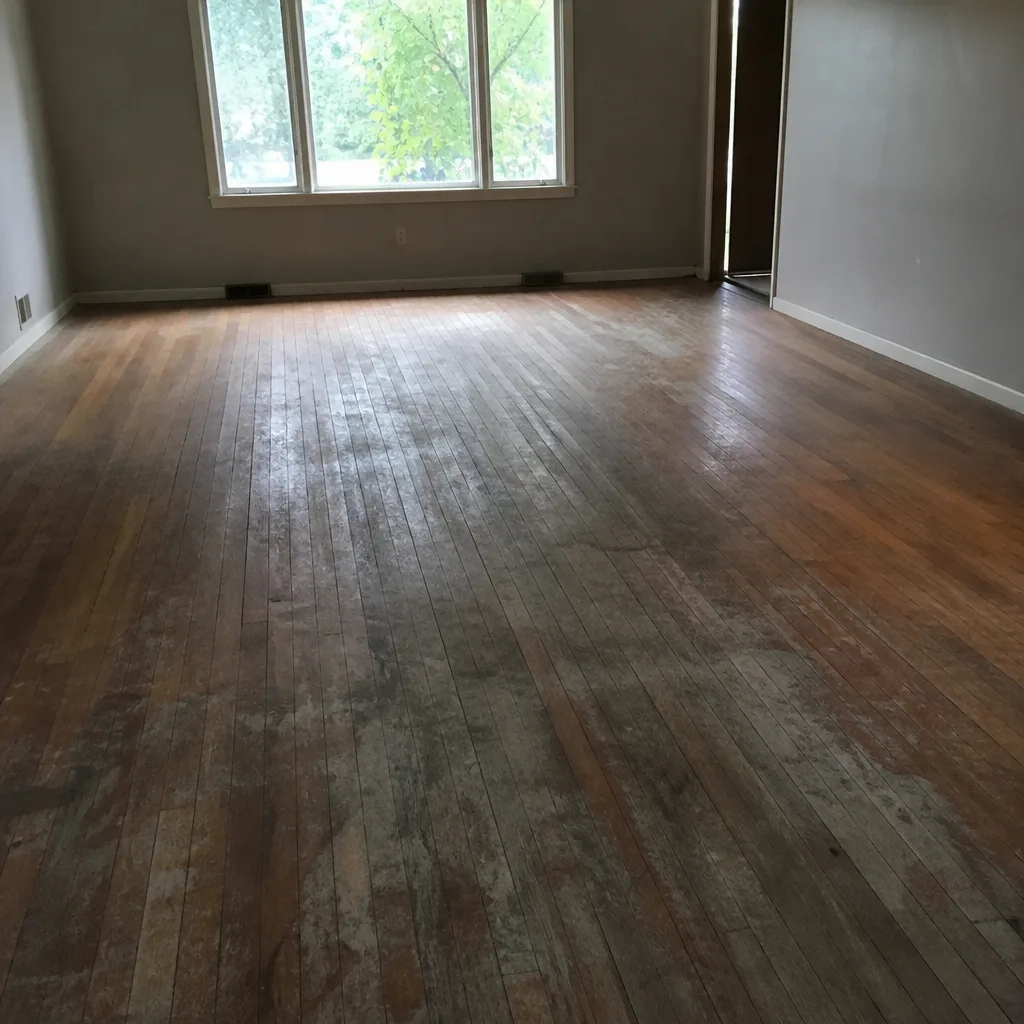 Before
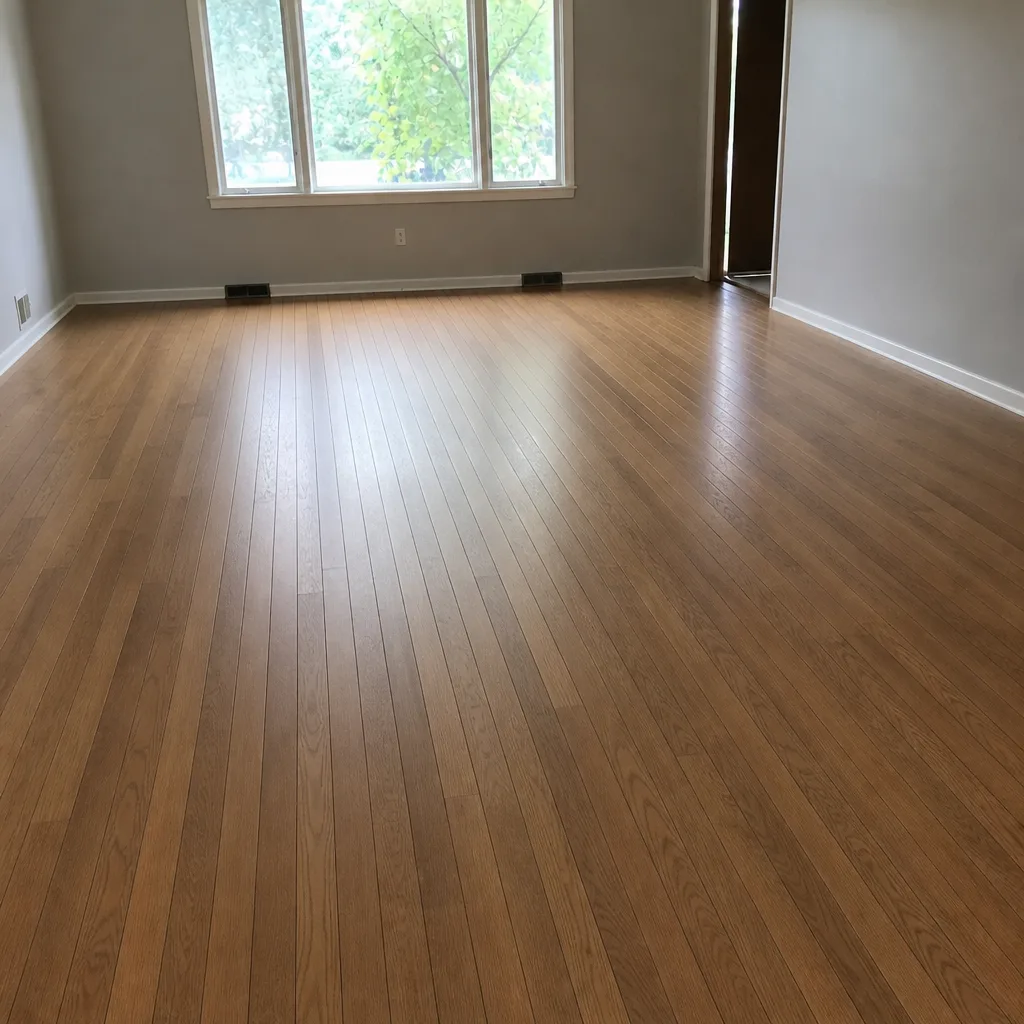 After
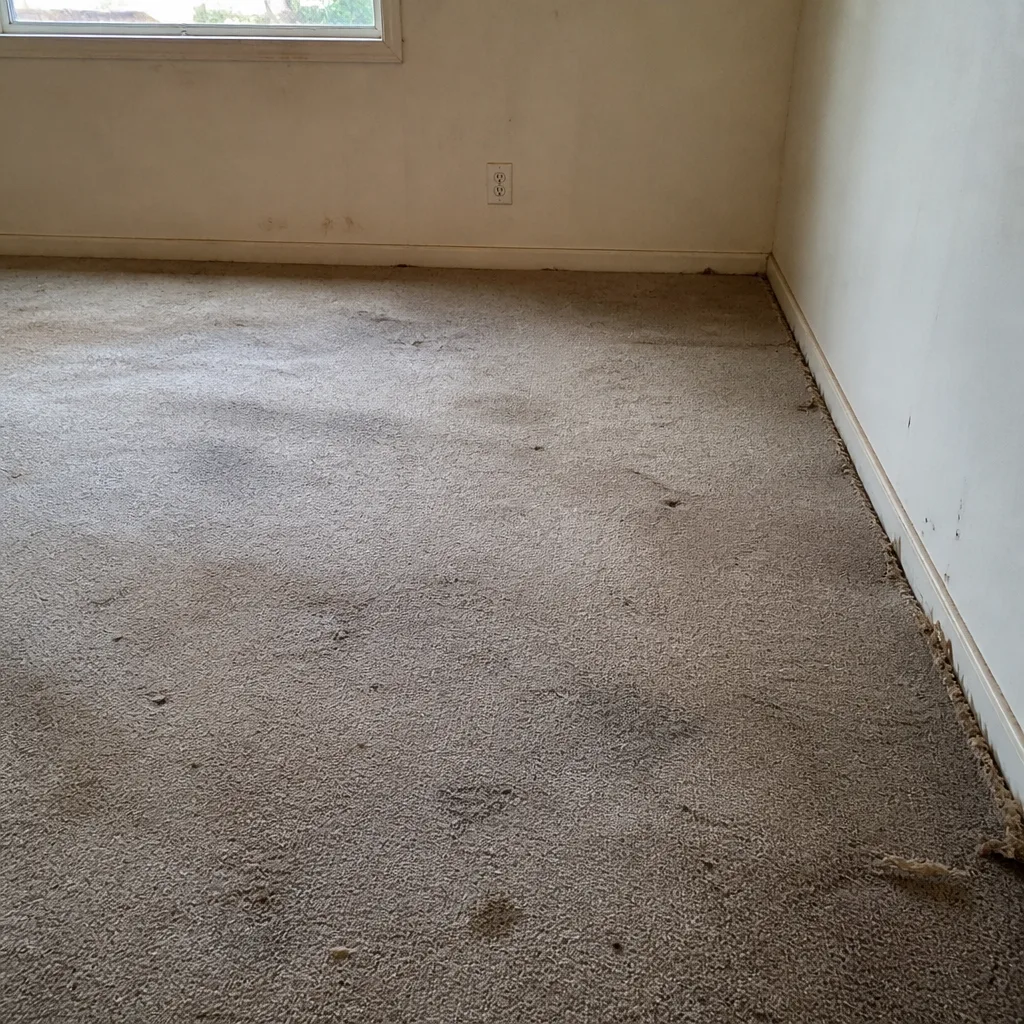 Before
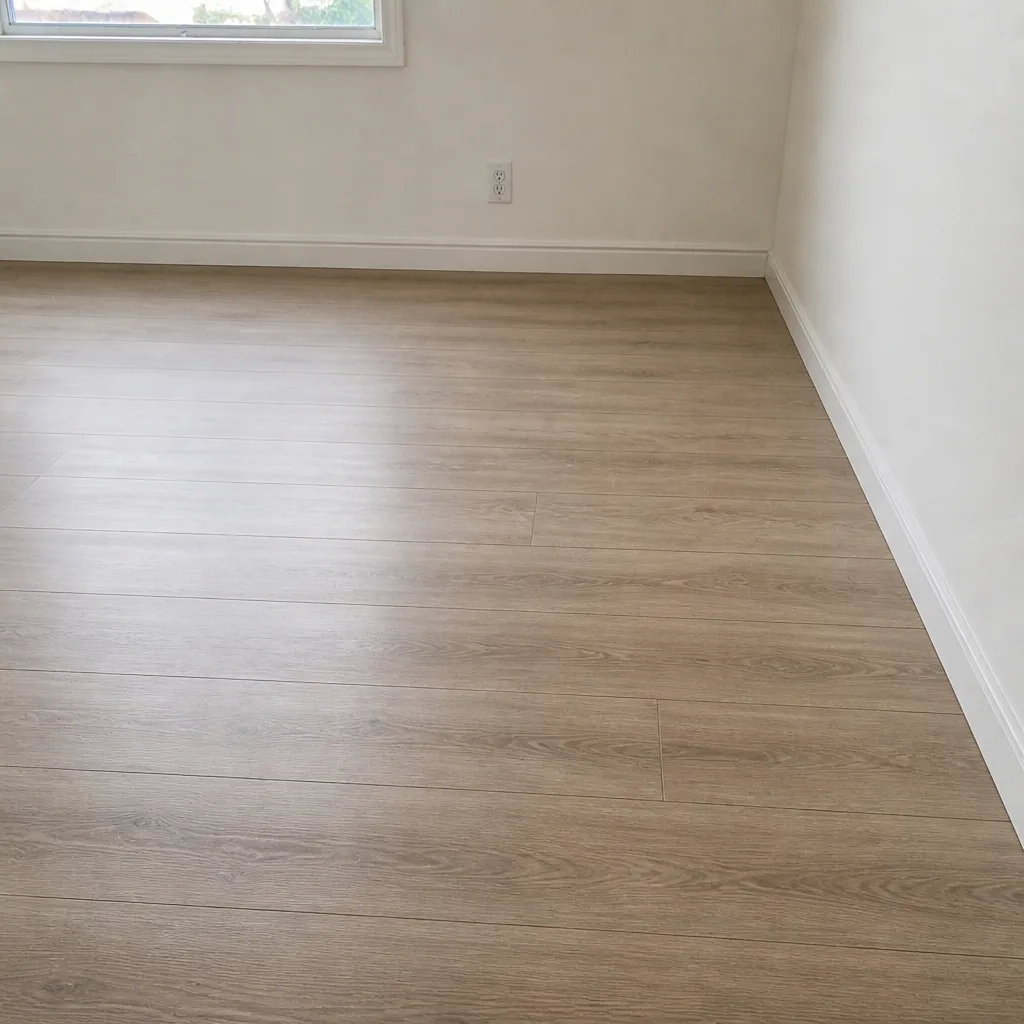 After
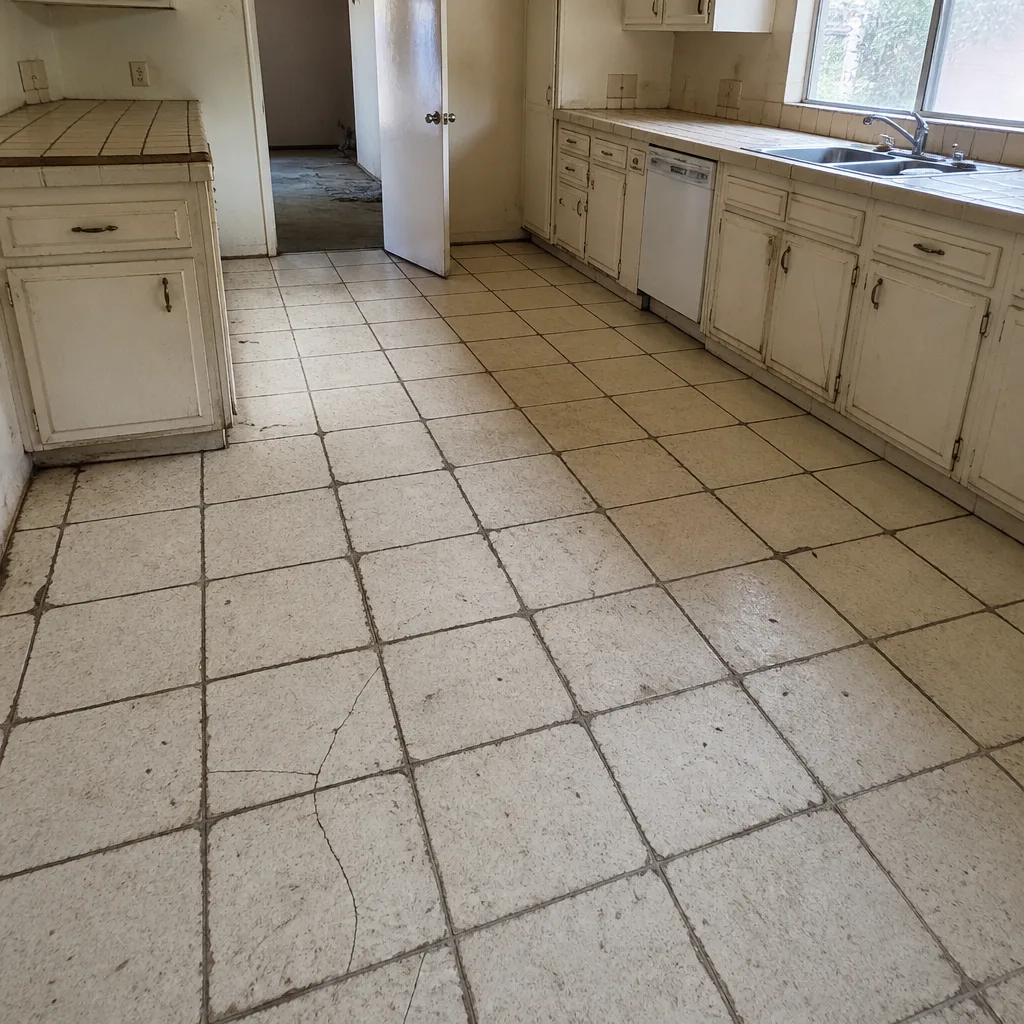 Before
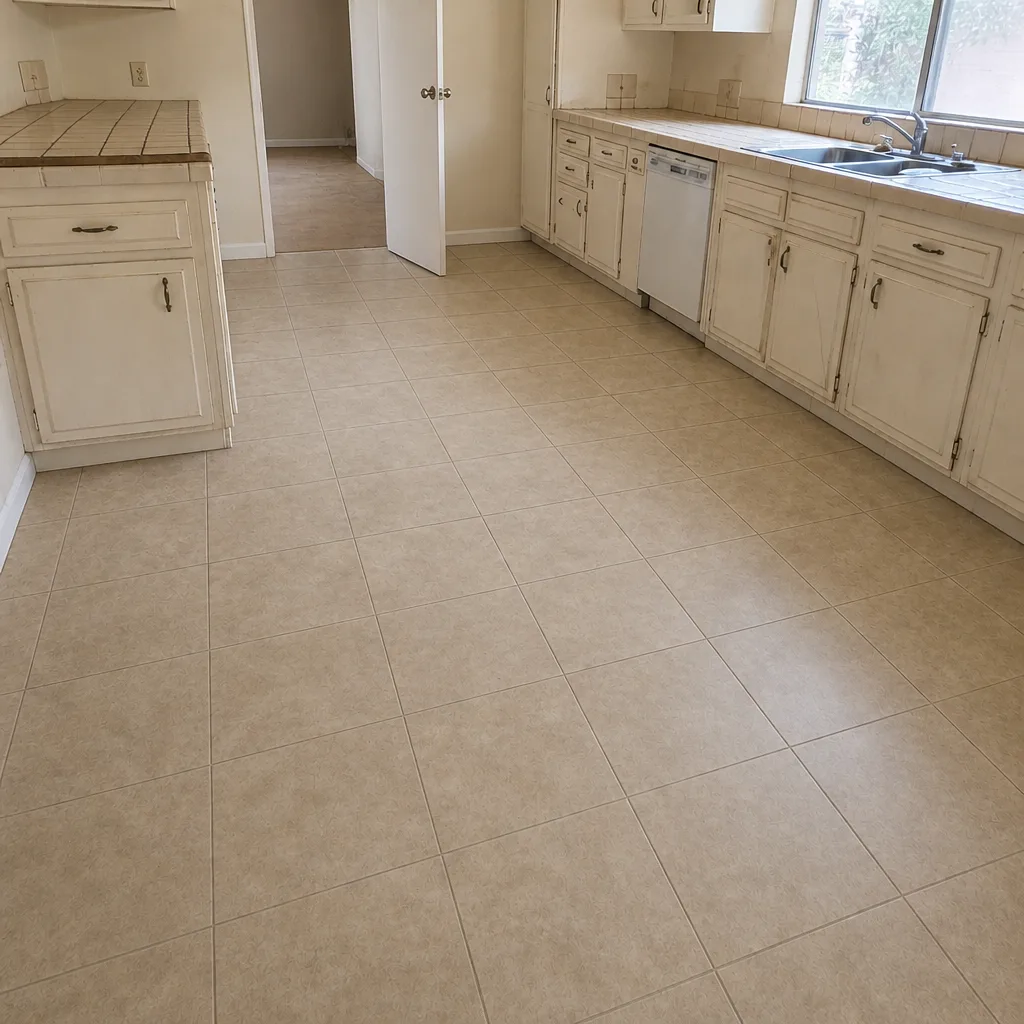 After
When to Call a Professional
Most day-to-day floor care is a homeowner job. Certain situations aren’t. Call a professional when wood floors develop gaps or cupping that won’t settle after you’ve corrected humidity; when vinyl, laminate or carpet shows fading or wear you can’t reverse; when grout keeps cracking or darkening despite cleaning; when a floor has standing water or moisture damage; or when you’re deciding between refinishing and replacing and can’t tell which is right. You can also call when you’re simply not sure what floor you have or what cleaner is safe on it. Our technicians have up to 8 years of experience, and Spring Valley Floors offers free estimates in Spring Valley. Call (833) 734-5027 to schedule yours.
Frequently Asked Questions
Plan on more frequent light cleanings than a humid-climate schedule suggests. Dust loads up fast in the dry air, so dry-dusting high-traffic areas a few times a week and a proper damp cleaning weekly is a reasonable starting point, then adjust to your household. The product instructions and how much foot traffic you have set the exact routine. Call (833) 734-5027 for a free estimate if you’d like us to look at your specific floor.
Aim for 35-45% indoor humidity to keep wood from shrinking and gapping in dry air. Use a hygrometer to check, and run a humidifier to hold that range through the driest months. Pushing far past the top of the range can cause swelling, so stay in the band. Our team can evaluate your floor at a free estimate if you’re seeing gaps or movement; call (833) 734-5027.
Not on hardwood or engineered wood, and we’d avoid steam on vinyl and laminate too. Steam and standing water can get into seams and under the surface, and wood is sensitive to any moisture. Use a microfiber dust mop followed by a lightly damp mop with a cleaner made for the material. If you’re unsure what’s safe on your floor, call (833) 734-5027 and we’ll help.
Shade west-facing windows with blinds, shades or solar screens, rotate rugs and furniture a couple of times a year, and ask about UV resistance when you choose a product. Vinyl, laminate and wood are the most prone to visible fading in strong Spring Valley sunlight. Bring the sun exposure up at your estimate and we’ll point you toward options built for it; call (833) 734-5027.
More often than the manufacturer’s standard schedule suggests, and the exact timing depends on the grout and the home. Check for cracks and watch for grout that absorbs water or darkens quickly, which signals it’s due. The product instructions and your written estimate set the specifics. If you’re not sure whether your grout needs sealing or repair, call (833) 734-5027 for a free estimate.
It depends on the floor. Solid hardwood often can be refinished, depending on the thickness and condition of the wood, while vinyl, laminate and tile are generally replaced rather than refinished. We check at the estimate visit and give you a written price for the right path. Spring Valley Floors handles hardwood refinishing in Spring Valley; call (833) 734-5027 to start with a free estimate.
The Bottom Line
New flooring in Spring Valley lasts longer when care matches the climate. Keep indoor humidity in the 35-45% range so wood doesn’t gap and seams stay tight. Remove fine, abrasive dust with microfiber and HEPA tools before it gets ground in, and dry-dust before you ever damp-mop. Manage sunlight on west-facing rooms, check grout for cracks and reseal on a shorter cycle than the label says, and vacuum carpet more often with good filtration. The floor you choose and the routine you keep are both your call, and we’re here to help you make them. Call (833) 734-5027 to schedule your free estimate in Spring Valley.
Written by the team at Spring Valley Floors.