
Last updated November 18, 2026
 Hardwood
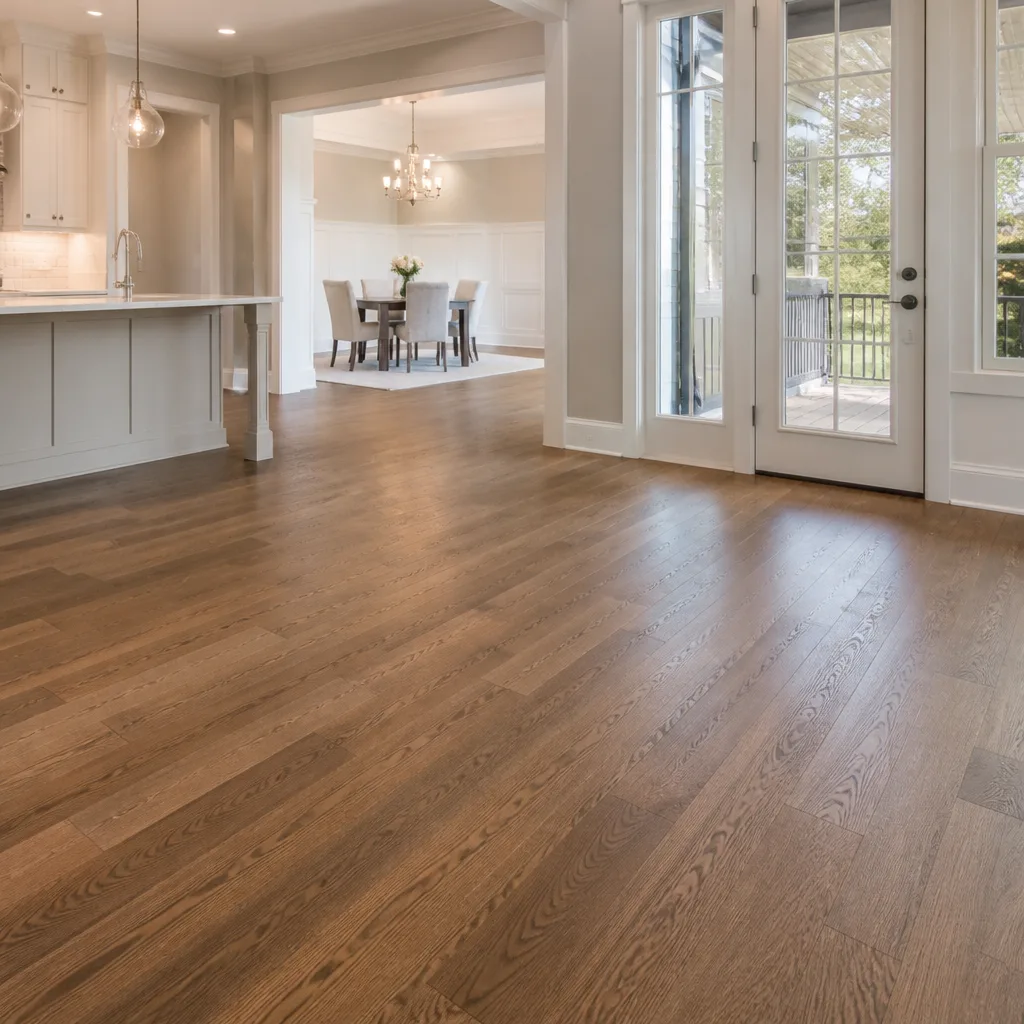 Engineered hardwood
 Luxury vinyl plank
 Laminate
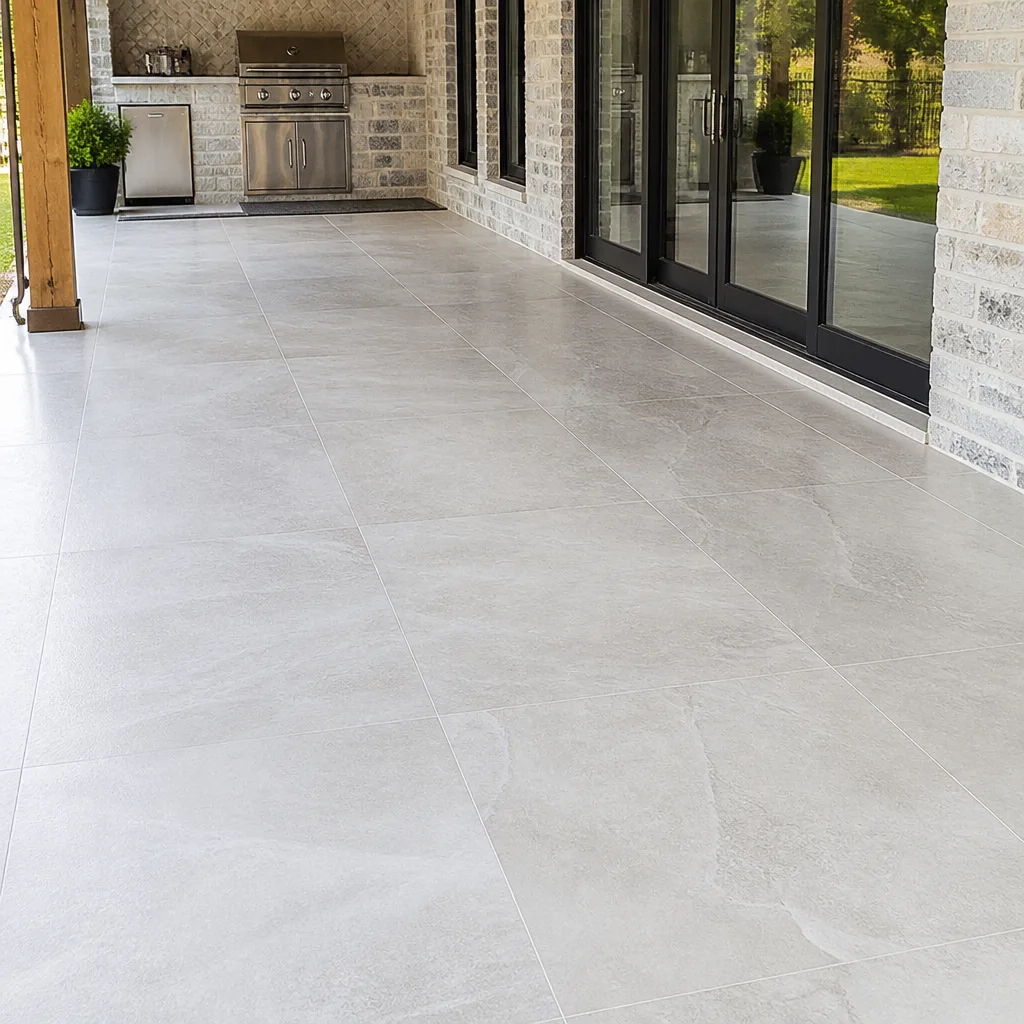 Porcelain tile
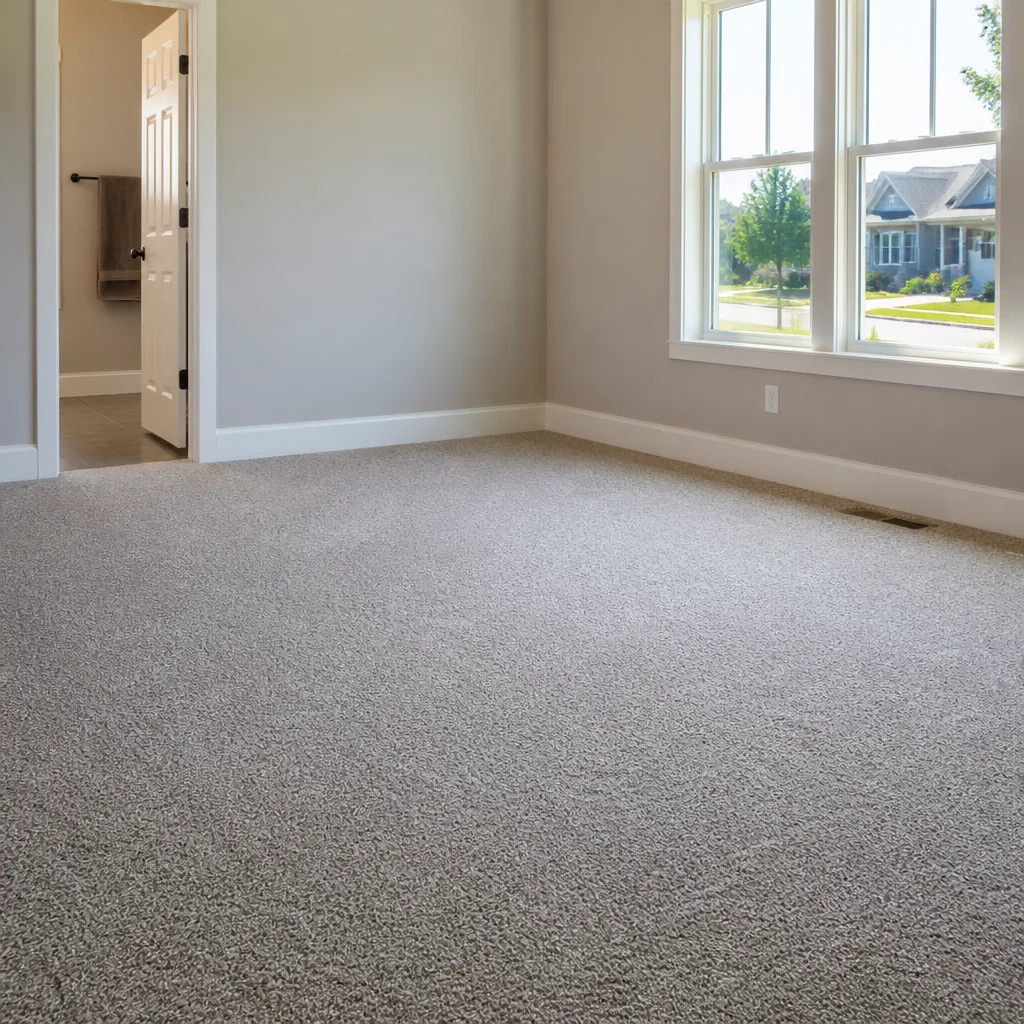 Carpet
 Shaw
 Mohawk
 COREtec
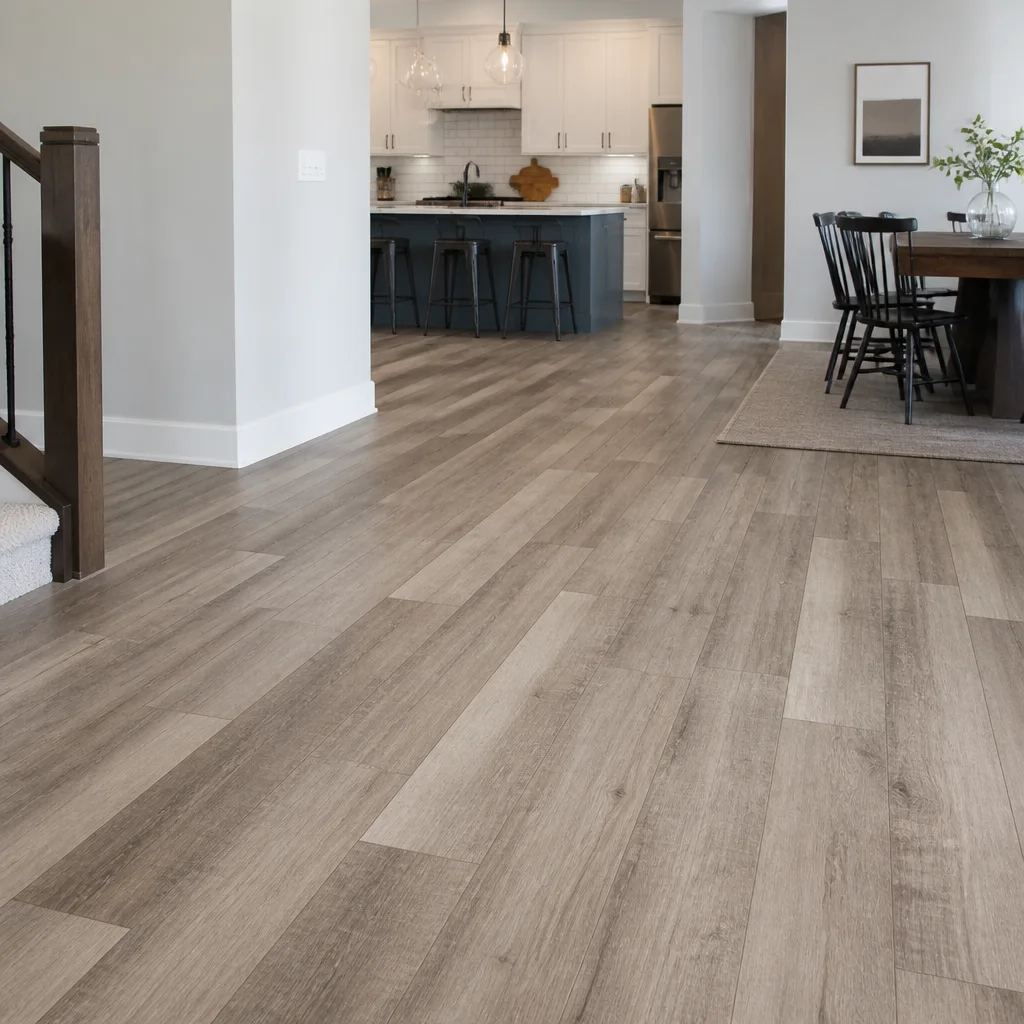 Pergo
Free in-home measure and written estimate: Shaw, Mohawk, COREtec and Pergo lines compared on your own rooms, with carpet, tile, vinyl plank, laminate and hardwood laid out side by side
Get your free estimateFlooring Installation Questions to Ask Before You Sign
Most homeowners walk into a flooring consultation ready to talk about two things: price and timeline. Those matter, but they’re not the questions that protect you. The questions that actually matter are the ones almost nobody asks – who’s physically installing the floor, how surprise subfloor problems get priced, what the warranty really covers, and what happens when a single plank needs replacing in two years. The contract you sign locks in far more than a number. It decides who owns the hard problems. In this guide, we’ll walk through the questions worth asking before you sign, written from our vantage point as a flooring specialist here in Spring Valley.
Quick Answer
Before signing a flooring installation contract, ask who employs the installers (the company or subcontractors), how mid-job subfloor repairs are priced, exactly what the warranty covers and who honors it, how much extra material is ordered and who keeps the leftovers, and whether the product is still available if you need to replace a section later. Get every answer in writing. The written estimate is the number that counts, and the questions you ask now determine who’s responsible when things don’t go as planned.
Styles & brands we work with
- Hardwood
- Engineered hardwood
- Luxury vinyl plank
- Laminate
- Porcelain tile
- Carpet
- Shaw
- Mohawk
- COREtec
- Pergo
Table of Contents
- Who Is Actually Installing Your Floor?
- How Are Subfloor Problems Discovered Mid-Job Priced?
- What Does the Warranty Cover, and Who Honors It?
- How Much Extra Material Is Ordered, and Who Owns It?
- What Happens If You Need to Replace a Section in Two Years?
- What Does a Spring Valley Home Do to Your Floor?
- How Do You Match the Product to Your Household?
- What Belongs in the Contract Itself?
Who Is Actually Installing Your Floor?
The single most important question on the entire contract: who is walking into your home with a pry bar? Some flooring companies send their own employees. Others sell the job and hand it to subcontractors. Both arrangements exist in Spring Valley, and both can produce an excellent floor. But the accountability differs sharply. When a problem surfaces two months after installation, the question becomes: who do you call, and who’s on the hook?
Ask the question plainly. Ask for the answer in writing. If the company uses subcontractors, that’s not automatically a red flag – but the contract should make clear which party stands behind the installation workmanship. When a company handles the job with people it directly employs, the line of responsibility is short and clear. When it uses subcontractors, that line runs between multiple parties, and you want the contract to say who holds the installer accountable.
We bring this up because the answer changes what happens if a seam opens or a tile lifts. A company whose name is on both the sale and the install owns the fix. A company that only sold the job may point to the installer, and the installer may point back. Neither is a good position for a homeowner standing in a hallway looking at a floor that isn’t right.
- Ask: “Are the installers employees or subcontractors?”
- Ask: “If the installation fails, who pays to fix it?”
- Ask: “Is that answer in the contract?”
- Watch for: vague phrases like “our installer network” with no named responsible party.
How Are Subfloor Problems Discovered Mid-Job Priced?
Here’s where most surprises hide. Subfloor issues usually aren’t visible until the old flooring comes up. Once it’s up, the job either proceeds cleanly or reveals a problem: an uneven patch, soft spots, moisture in the wood, a small hump under where the old carpet sat. The question isn’t whether this happens – it’s how the contract handles it when it does.
Flooring contracts price subfloor repair in one of three ways, and you want to know which one you’re signing:
- Flat rate. A fixed price per square foot for subfloor work, disclosed up front. The most predictable option. You know the worst-case number before you sign.
- Per-hour. Charged by labor time. Fine if the hourly number is disclosed, but you’re exposed to how long the repair takes.
- Cost-plus. Materials plus a markup. The least predictable of the three, and the one to scrutinize most closely.
What’s reasonable? A flat rate with the number stated in the estimate is the cleanest. A per-hour rate is acceptable when the hourly figure is on paper. Cost-plus without a cap is worth pushing back on. Whatever the arrangement, the subfloor pricing should appear in the written estimate before you sign, even if the actual work is only confirmed after demo. In our experience here in Spring Valley, most homes built on concrete slab and older wood subfloors reveal something, and the estimate that anticipates it reads as honest.
What Does the Warranty Cover, and Who Honors It?
Two warranties exist on nearly every flooring project: the manufacturer’s warranty on the product, and the installation warranty from the company that did the work. They cover different things, and homeowners commonly blend them together. The product warranty covers manufacturing defects – a delamination, a tile that arrives with a flaw, a carpet that wears unevenly from a material defect rather than foot traffic. The installation warranty covers workmanship: how the seams were pulled together, whether the tile was set correctly, whether the wood was laid with the proper spacing at the perimeter.
Ask for both, specifically:
- Manufacturer warranty: what it covers, how long it runs, and what you need to file a claim (usually the original receipt and proof of installation).
- Installation warranty: what the company stands behind, how long, and who you contact.
- Gap coverage: what’s not covered by either. This is where most disputes live.
If a brand like Shaw or Mohawk backs its product, the term should appear in the product documentation you’re handed at purchase, not just in the sales pitch. If the installer offers a workmanship warranty, ask for it in the contract. A warranty you can’t produce in writing later is a warranty you don’t have.
And one more thing worth knowing: which product lines a company actually works with tells you something. We source from a nine-brand portfolio – Shaw, Mohawk, COREtec, Pergo, LifeProof, Mannington, Armstrong, Daltile, and Karndean – which means the conversation about coverage happens for the floor you actually picked, not whichever brand the store happens to push.
How Much Extra Material Is Ordered, and Who Owns It?
Every flooring order includes a waste allowance – extra material ordered above the measured square footage to cover cuts, waste at the room edges, and defects in the box. How much extra, and what happens to it after the job, is a question worth asking.
The industry commonly orders somewhere between a small allowance for simple square rooms and a larger allowance for complex layouts with diagonal patterns, multiple rooms, or tile patterns that waste more on the cut. Ask the installer to state the allowance in the written estimate. A number that seems too small – say, barely any allowance – often means the installer plans to call you later about running short. A number that seems too large means you’re paying for floor you’ll never see installed.
Then ask what happens to the leftover:
- Does it come to your home after the job, or does the installer keep it?
- If you keep it, where should you store it, and does storage affect the warranty?
- Are unopened boxes returnable, and within what window?
You want leftover material. Not because you expect a defect, but because a plank that gets damaged by a dropped chair two years from now is easy to replace when you have a matching piece in your closet. This matters most with wood-look products and patterned tile, where the pattern and dye lot matter. If you’re working with luxury vinyl lines like LifeProof or COREtec, the color and pattern may match across production runs, but the safest move is keeping a box of the actual installation.
What Happens If You Need to Replace a Section in Two Years?
This is the question almost nobody asks, and it’s the one most likely to matter. Two years after installation, a single plank, a single tile, or a carpet section may need replacing. Water from a plant. A dropped tool. A pet accident that sat too long. Replacing that section requires that the product is still available in the same color and the same pattern.
Ask directly: “If I need to replace a piece in two years, will this product still be available?” A company that can answer honestly is telling you something about how it tracks discontinued products. Options vary:
- A current core product from a brand with staying power is the safest bet. Shaw and Mohawk both run core lines that get updated less often than specialty products.
- A design-forward product from a premium line may be more at risk of a color change. Karndean is a design-led brand, and its colorways sometimes change when new collections are introduced – the reason to keep extra material matters more here.
- A close-out or discontinued product is the least predictable. That’s often where the best price sits, and it’s worth knowing what you’re trading.
If the product is at risk, the answer is straightforward: keep extra material and know the manufacturer product code and dye lot from the box. Write it on the inside of a closet door or tape it to the leftover floor. It’s the difference between a seamless patch and a mismatched repair.
What Does a Spring Valley Home Do to Your Floor?
Living in Spring Valley puts any floor through a specific set of conditions, and the questions you ask should reflect them. The desert climate swings between dry summers and cooler winters, with indoor humidity that shifts over the year. Wood flooring expands and contracts with that swing, which is why the installation needs a perimeter gap under the baseboard and why the wood needs time to settle to the room’s conditions before it’s installed. Ask the installer to state, in the estimate, how the wood will be acclimated and whether the size of the perimeter gap is specified.
Tile in Spring Valley homes often rests on a concrete slab. Slabs shift, and cracks in a slab can telegraph through to a rigid tile floor if the installer doesn’t account for it. Ask how the installer handles slab cracks – the answer should not be “we just set right over it.”
Carpet in our climate is comfortable but takes the brunt of summer’s dry dust. Vacuuming is the owner’s job, but heat and dust do influence the choice of carpet backing and pad. Ask which pad is being installed, and why. If the installer can’t explain the pad, ask what pad the manufacturer recommends for the carpet you chose.
The seasonal humidity also matters when you’re scheduling. Installation inside a closed home in summer sees different moisture conditions than a home in winter. Ask the installer how they check the subfloor’s moisture before installing any wood or wood-look product. The underlay and moisture handling on a slab is one of the most consequential details in any Spring Valley flooring job, and it belongs in the conversation before you sign – not after.
How Do You Match the Product to Your Household?
The right floor for a quiet spare bedroom is different from the right floor for a hallway with two dogs and a splash zone by the pool door. The question to ask: “Which of these products is recommended for the way my household actually lives?”
When a company can answer that from a broad portfolio, the recommendation comes from real choice. Our nine-brand lineup spans multiple categories, which makes the matching conversation possible at one specialist: carpet installation for bedrooms and living rooms where warmth underfoot matters; tile flooring installation for kitchens, baths, and entryways where spills and splash are routine; and hardwood where the design calls for natural material and the household is willing to work with the maintenance that wood asks for.
For active households – families with pets, kids, or both – the water-resistant luxury vinyl options through LifeProof and COREtec are the product lines most often worth a closer look. Ask questions about the household honestly, because a recommendation is only as good as the information behind it. If you tell the installer you have a 90-pound dog and two teenagers, that information should shape the product recommendation. If it doesn’t, ask again.
The style question deserves equal weight. A design-conscious home benefits from options like Karndean for a refined look in vinyl, or Daltile for tile that photographs well in a bath renovation. Matching product to household is where a specialist earns the designation. Your floor, your call – but the recommendation should reflect your actual life.
What Belongs in the Contract Itself?
The contract isn’t a formality. It’s the document that says who’s responsible when something goes sideways. Before signing, verify the following are in writing:
- Measured square footage per room, and the stated waste allowance.
- Product specification – brand, product line, color, and the dye lot number or box code if available.
- Subfloor pricing – flat rate, per-hour, or cost-plus, with a number or rate on paper.
- Installation method – floating, glue-down, nail-down – whichever the product and your subfloor require.
- Warranty terms – manufacturer and installation, in writing.
- Schedule – the start date the contract commits to, in writing, at the estimate.
- Payment terms – deposit amount, balance due date, and who holds the money before completion.
The written estimate is the price that counts. If a number gets discussed verbally and not written down, it doesn’t exist for the contract. Ask for a written quote before signing. Spring Valley Floors works on estimates that put the scope, product, timeline, and cost into a single document, and that document is what we expect the homeowner to read carefully before signing. Read it the way you’d read any contract for work in your home – because that’s what it is.
Common Mistakes to Avoid
- Asking the price question first and the accountability question last. Price matters, but the price is only meaningful when you know who owns the subfloor repair, the warranty, and the leftover material. Ask those first.
- Accepting a verbal warranty. If it’s not in writing, in the contract or the product documentation, it doesn’t exist when you need it.
- Not asking about the waste allowance. A too-small allowance leads to a short-order phone call mid-job. A too-large allowance leads to extra products in the garage you’ll never use.
- Not keeping leftover material. The box of spare planks in the closet is the cheapest insurance against a mid-floor replacement. Ask where it goes; keep it.
- Assuming “the installer” and “the seller” are the same company. They might be, and they might not. The contract should be explicit about which party stands behind the workmanship warranty.
- Ignoring the subfloor before signing. In a desert home where slabs are common, the moisture check on the subfloor belongs in the conversation before the demo starts. If nobody brings it up, ask.
- Skipping the product code. Write the manufacturer name, product line, and color code on a piece of tape inside a closet before the installer leaves. It will save you later.
See the difference
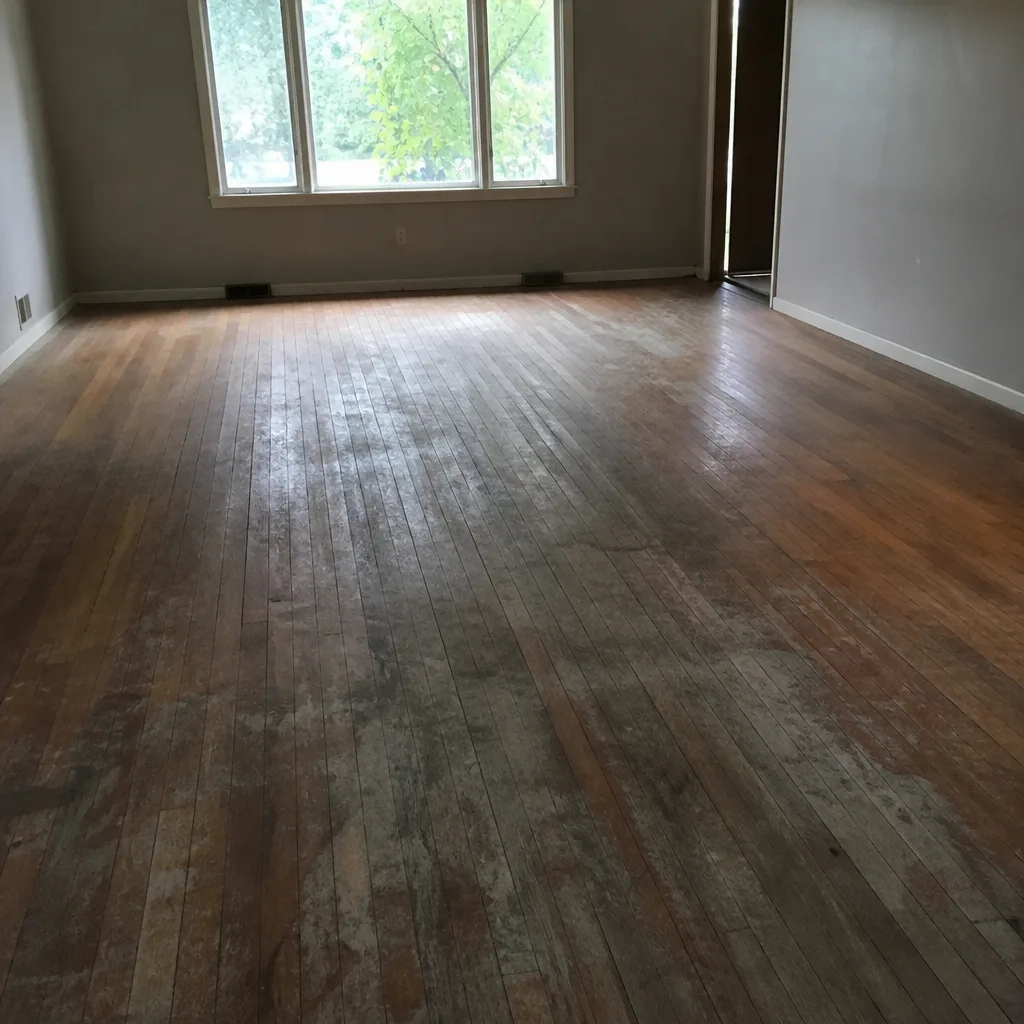 Before
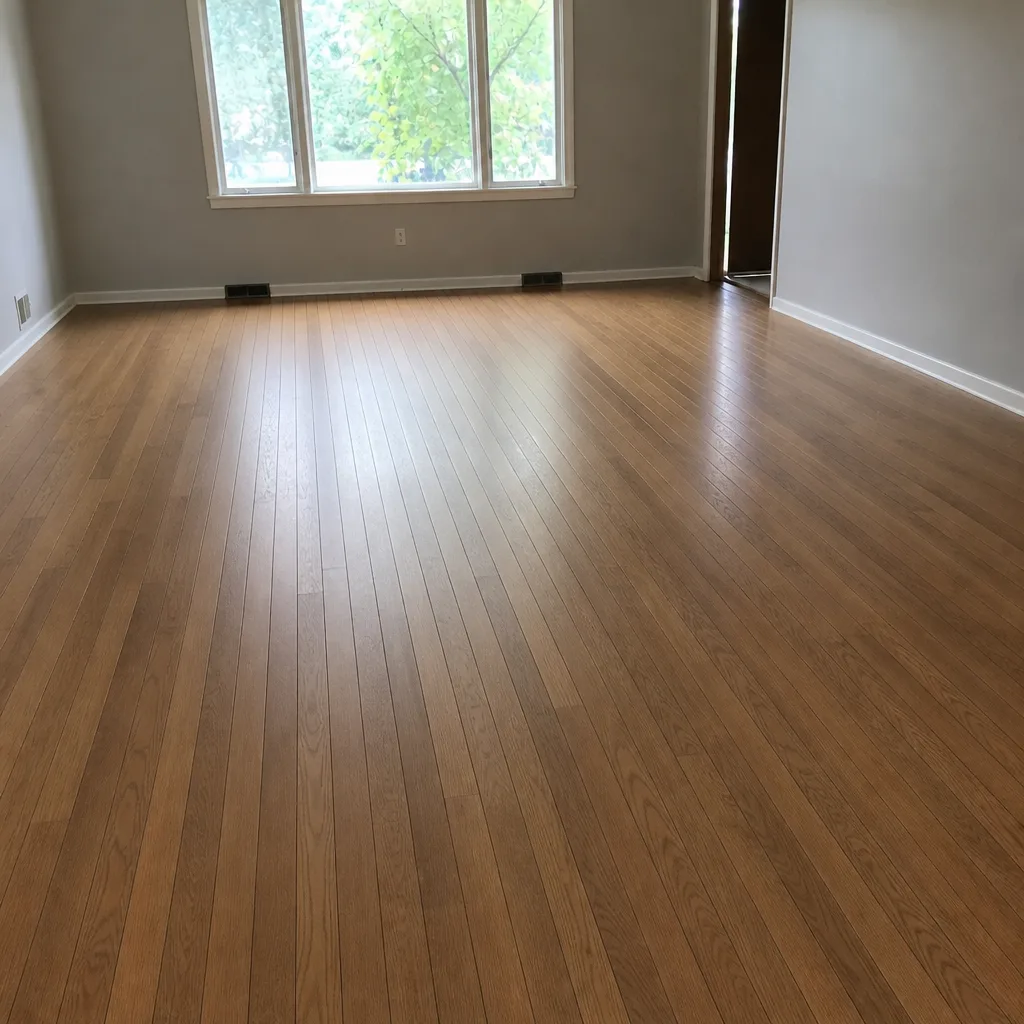 After
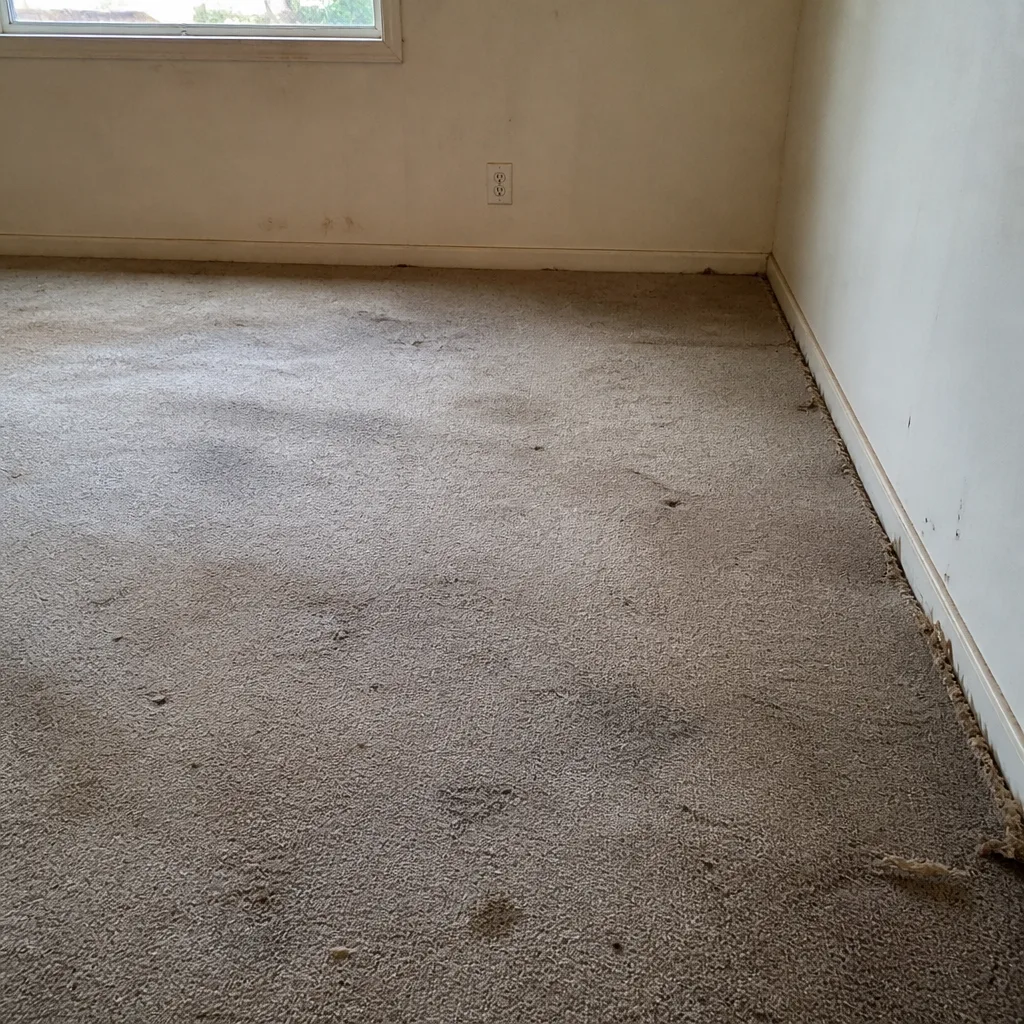 Before
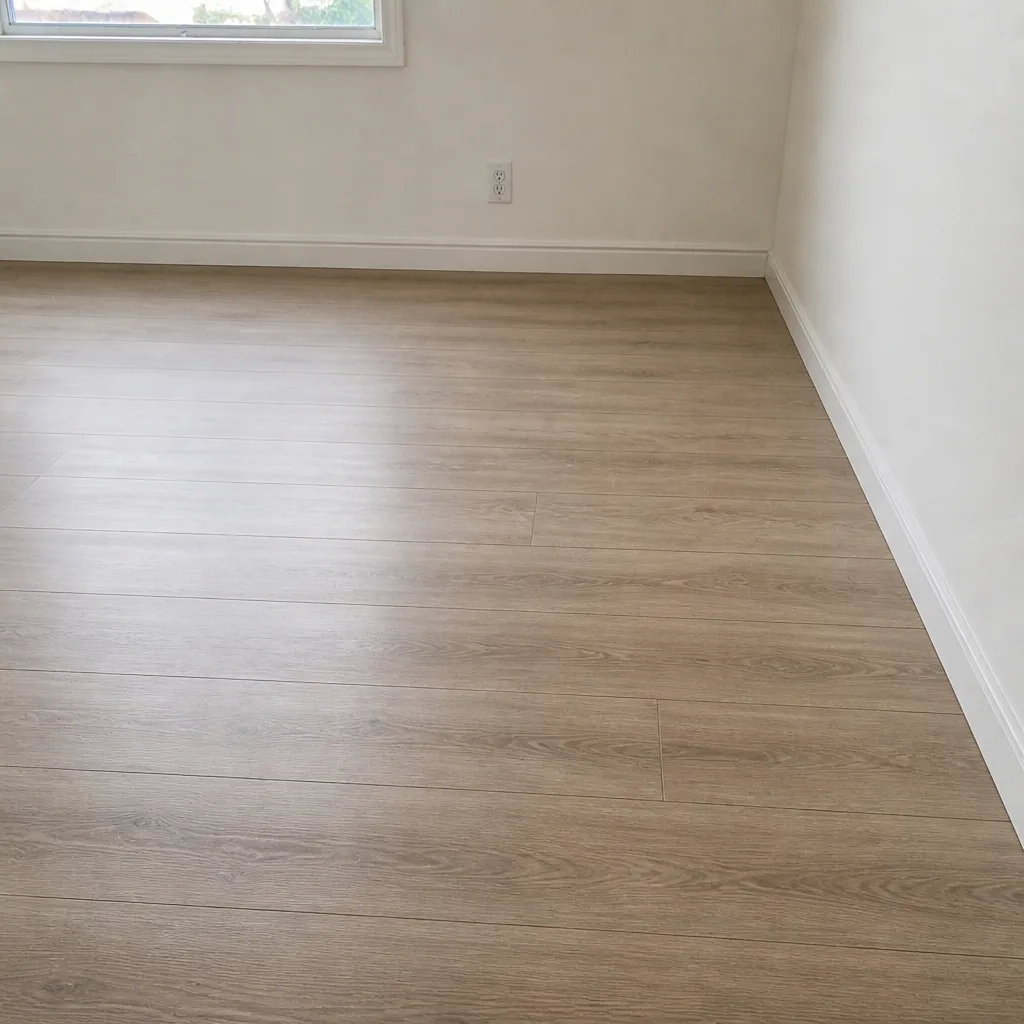 After
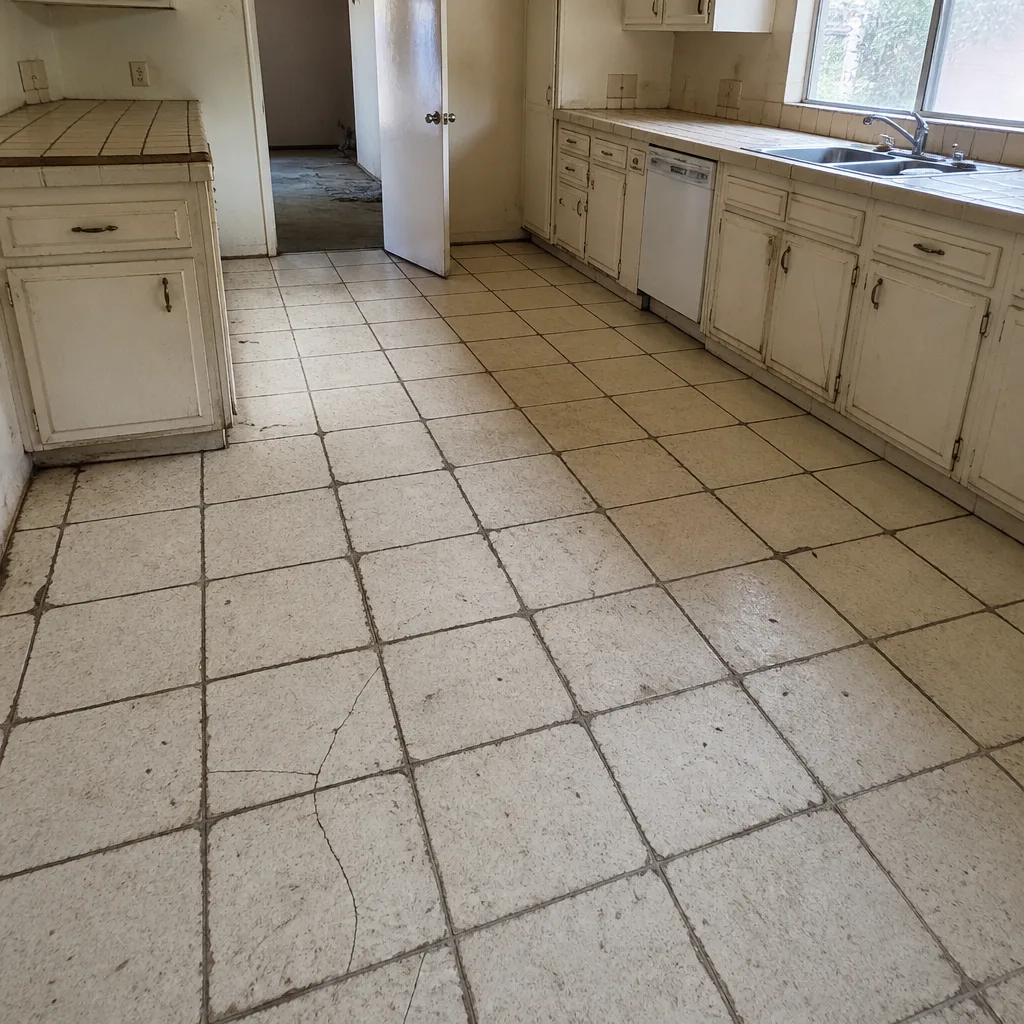 Before
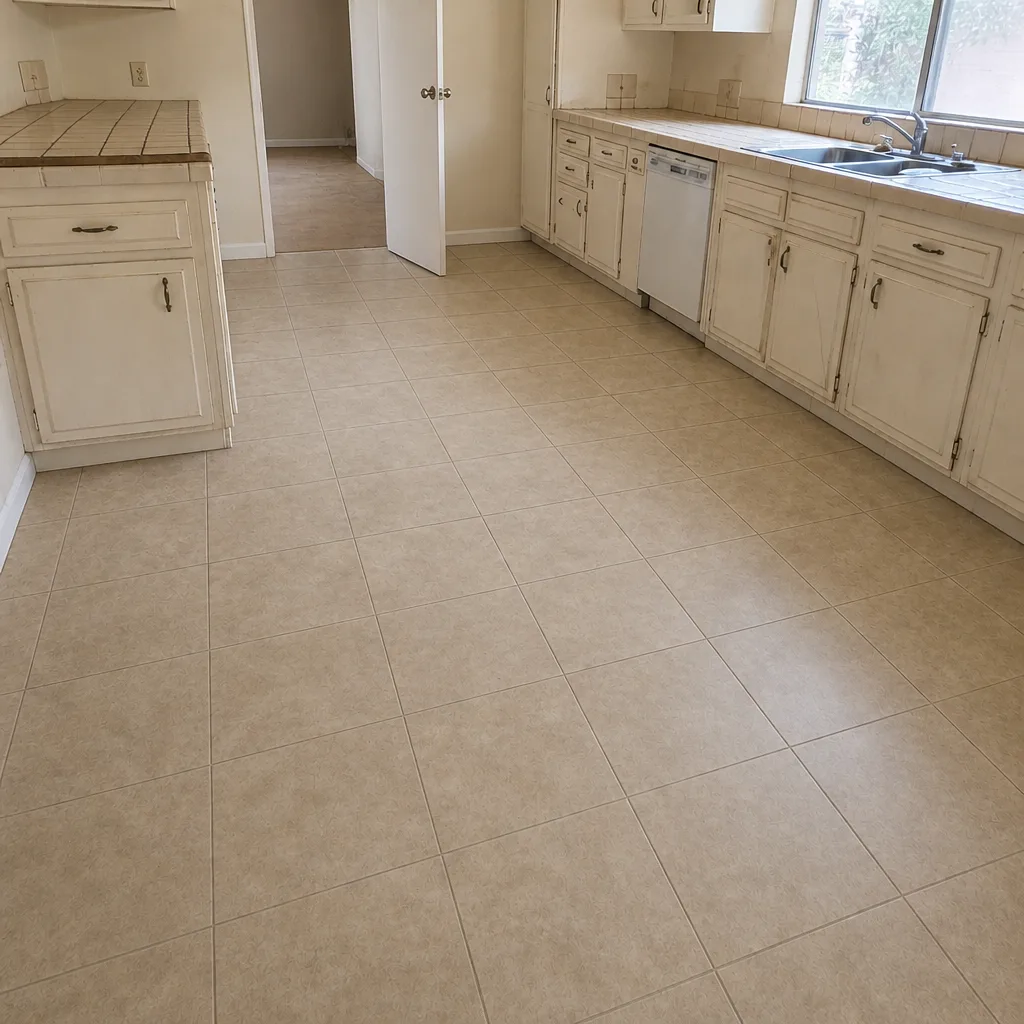 After
When to Call a Professional
Some of these questions you can ask any installer. Others – moisture handling on a concrete slab, the right pad under a specific carpet, whether a wood floor can be refinished or should be replaced – are better asked directly to a flooring professional. If your home has an uneven subfloor you can hear or feel under bare feet, if the existing hardwood is worn but salvageable, or if you’re still deciding between material types for a room, a conversation with a specialist is worth more than a few hours of internet research. The measurement and the plan come before the price, in that order. Spring Valley Floors offers free estimates in Spring Valley – call (833) 734-5027. We answer 24/7. Fast dispatch from 7am to 7pm, Sunday through Friday.
Frequently Asked Questions
Yes – this is the most important question on the contract. Whether the installers are direct employees or subcontractors determines who owns the installation warranty and who fixes a problem when one appears. Ask for the answer in writing, and ask the follow-up: “Who pays if the installation fails?” If the answer is vague, push for clarity before signing.
The waste allowance depends on the room layout and the material, and it belongs in the written estimate before you sign. Simple square rooms need less; diagonal patterns and multi-room jobs need more. The exact allowance depends on the product and the square footage, so have the installer state it in the estimate. Ask what happens to the leftover material and keep a box for future repairs. Call (833) 734-5027 for a free estimate that includes the waste allowance on paper.
The manufacturer warranty covers defects in the product itself, and the installation warranty covers workmanship – how the floor was installed. They’re separate coverage, and both should be in writing. The manufacturer warranty usually comes with the product documentation; the installation warranty belongs in the contract. Ask for both, and ask what’s not covered by either.
Not guaranteed, and that’s why you keep extra material from the original order. Core products from brands like Shaw and Mohawk are more likely to stay in production; design-led vinyl lines and close-out products can change faster. The safe move is to keep a box of the actual installation and write the product code and color on the inside of a closet door. If you’re working with an installer in Spring Valley, ask the question directly.
The dry desert air and the swing between summer and winter indoor humidity put wood floors through real expansion and contraction, so a perimeter gap and proper acclimation matter. Concrete slabs are also common in Spring Valley homes, and slab cracks can telegraph through a rigid tile floor if the installer doesn’t address them. Ask how the installer handles both before signing.
Yes, the estimate is free, and it should include the measured square footage, product specification, waste allowance, subfloor pricing, installation method, warranty terms, and a written price. The written estimate sets the final price; verbal numbers don’t. Call (833) 734-5027 to schedule your free estimate. We answer 24/7.
The Bottom Line
The questions that protect you aren’t the ones about price and timeline. They’re the ones about accountability: who’s installing, how surprise subfloor work is priced, what the warranty covers, how much extra material gets ordered, and what happens when a single section needs replacing later. Get every answer in writing – the written estimate is the document that counts. If your existing hardwood still has life in it, restoring the floor you have is often worth discussing before replacement. Spring Valley Floors works on free estimates across Spring Valley with a nine-brand portfolio, carpet installation, tile work, and hardwood refinishing handled by one specialist. Call (833) 734-5027 to schedule your free estimate – a written quote that includes the questions on this page.
Written by the team at Spring Valley Floors.