
Last updated November 18, 2026
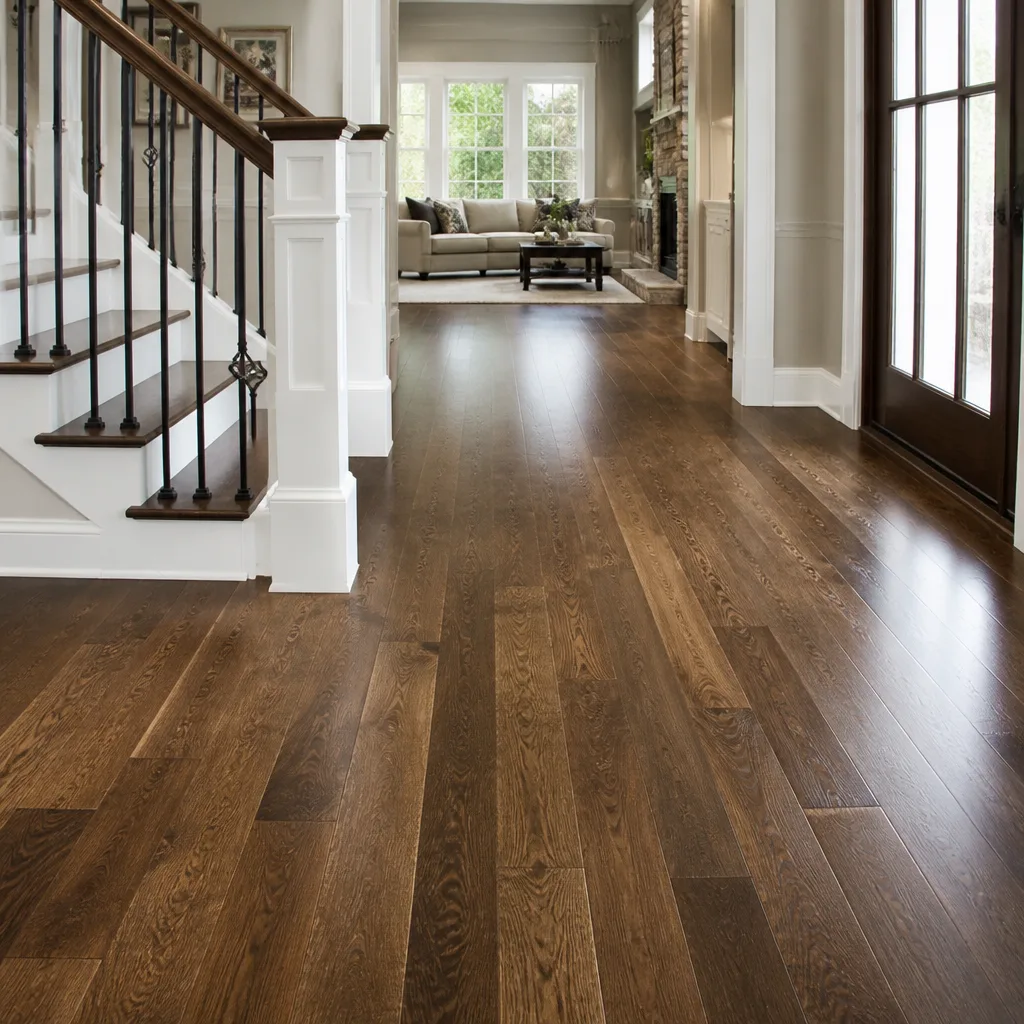 Hardwood
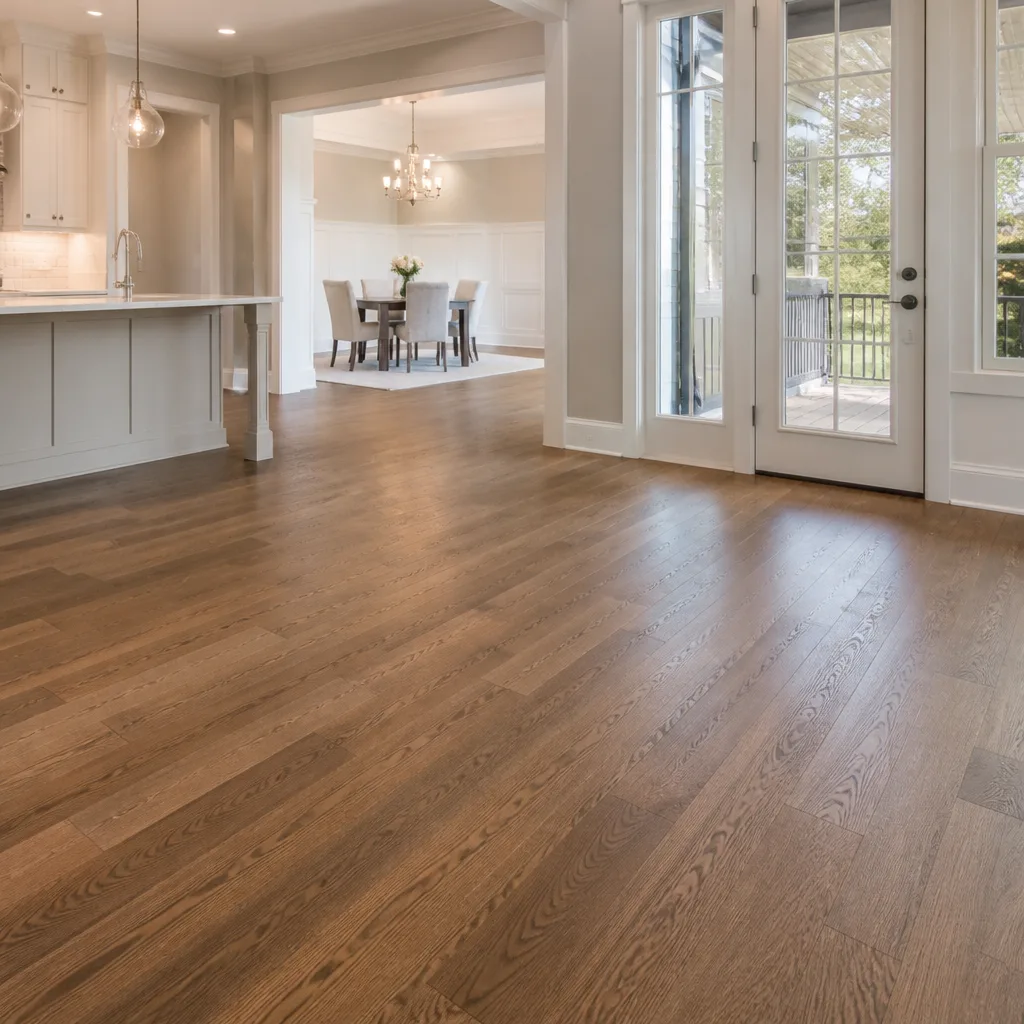 Engineered hardwood
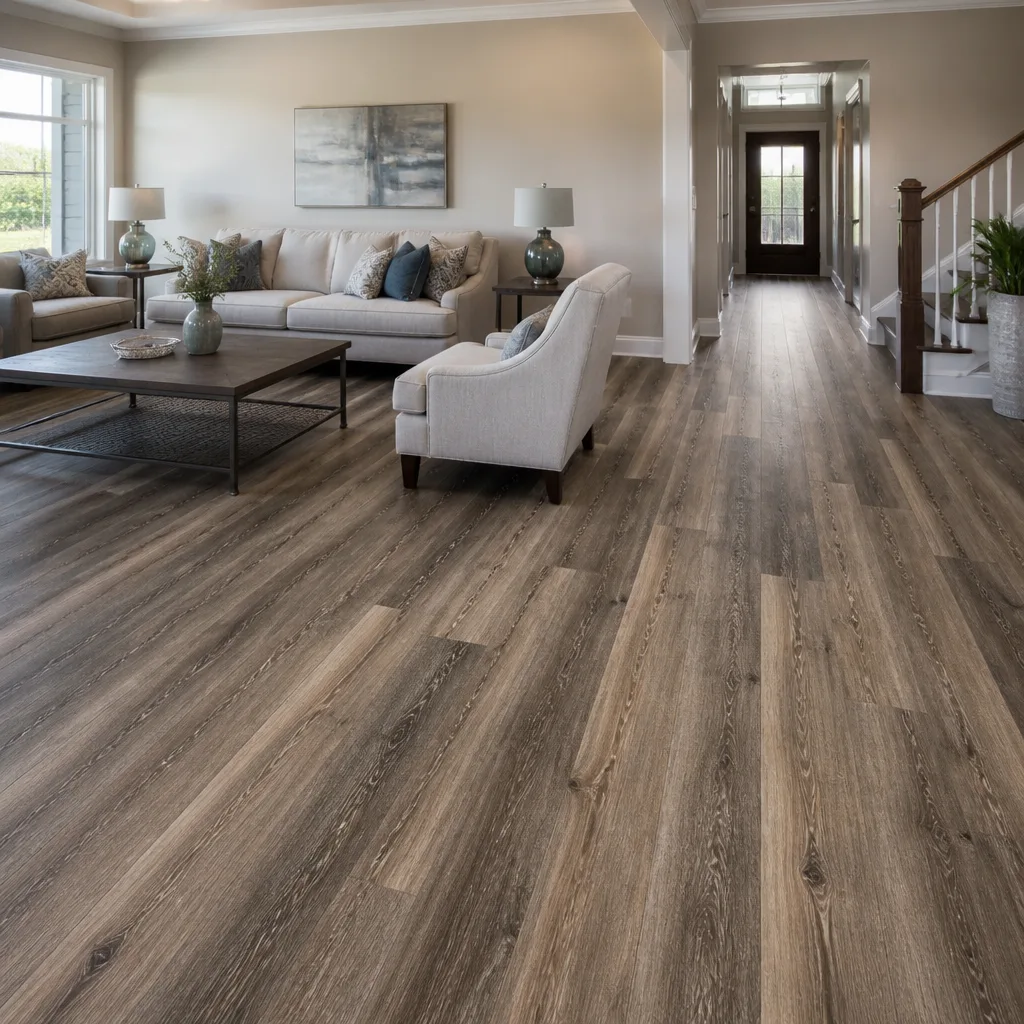 Luxury vinyl plank
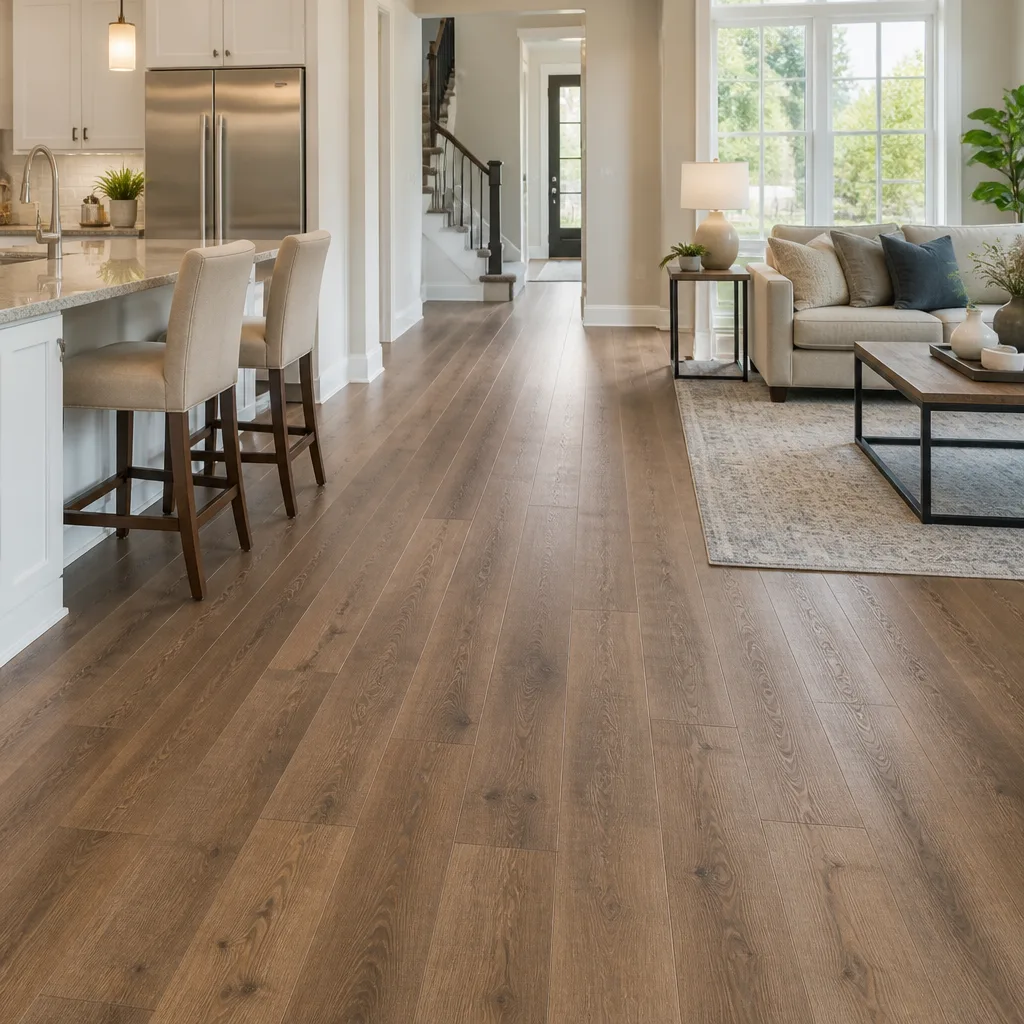 Laminate
 Porcelain tile
 Carpet
 Shaw
 Mohawk
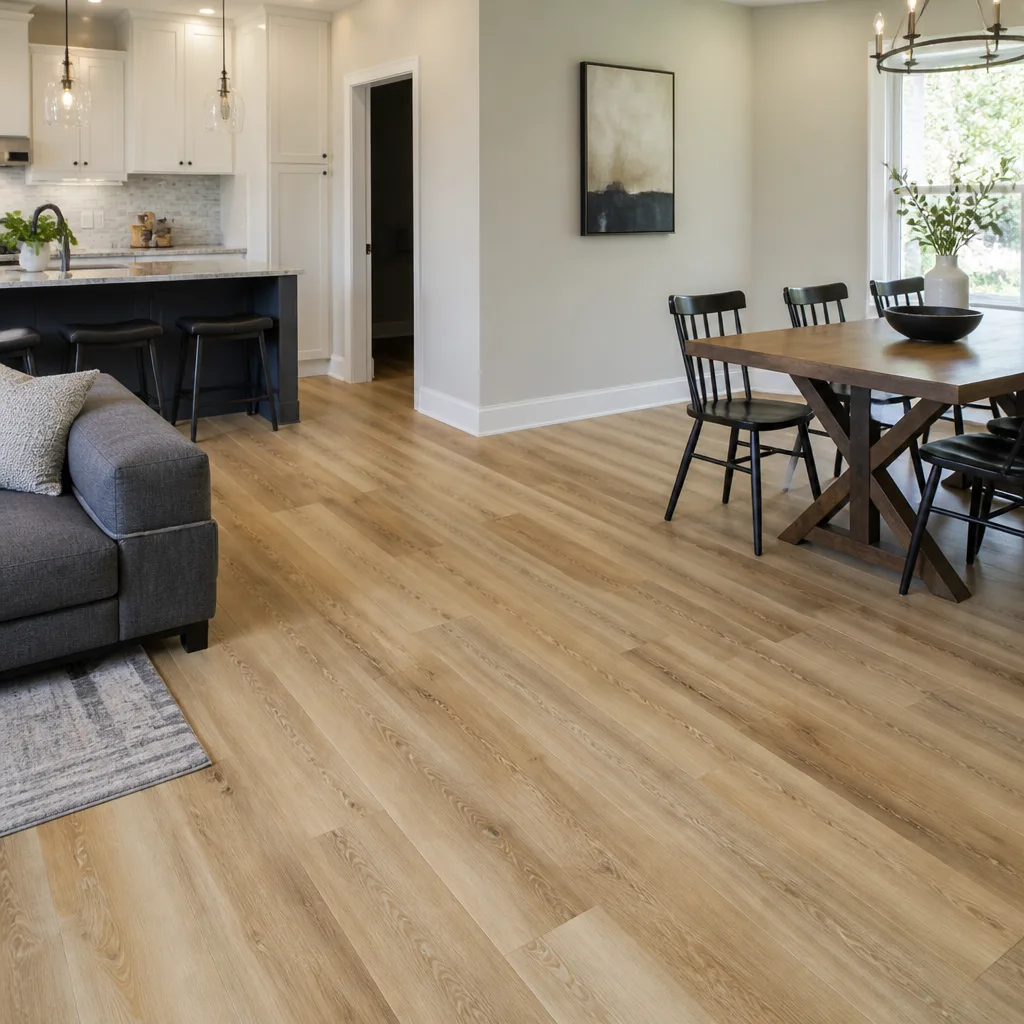 COREtec
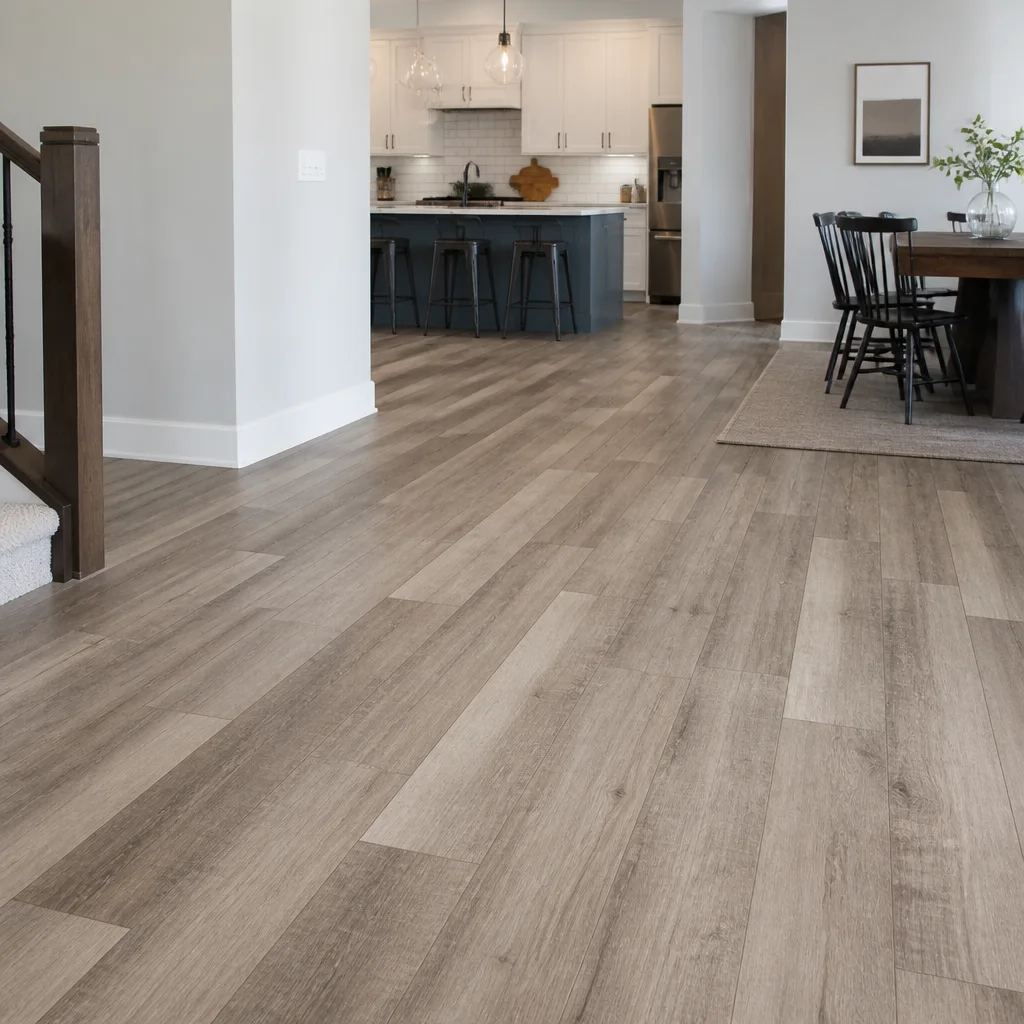 Pergo
Free in-home measure and written estimate: Shaw, Mohawk, COREtec and Pergo lines compared on your own rooms, with carpet, tile, vinyl plank, laminate and hardwood laid out side by side
Get your free estimateHow Spring Valley’s Climate Can Affect Your Flooring Choice
Most flooring guides are written for a generic American climate: four seasons, moderate humidity, maybe a basement. Spring Valley isn’t generic. We sit in the Mojave Desert, where indoor humidity can fall below 20% in summer and attic temperatures climb well past 150°F, and that combination changes which floors work and which ones disappoint. A solid hardwood that thrives in Ohio can gap and cup here within a season. A luxury vinyl plank picked only for its waterproof label may still fail under intense sun exposure on a slab foundation. In this guide we’ll walk through how heat, dryness, sun, dust, and slab-on-grade construction affect each flooring category, so you can choose with your eyes open rather than by what a national brochure tells you. We’ll also point out where Spring Valley homes tend to run into trouble.
Quick Answer
The best flooring for a Las Vegas-area desert climate depends on the room and the construction, but the short version is this: engineered hardwood and luxury vinyl plank handle Spring Valley’s low humidity and temperature swings better than solid hardwood, tile is the coolest and most thermally stable choice for sun-exposed areas, and carpet still works well in bedrooms if you choose a low-pile fiber that doesn’t trap desert dust. The single biggest factor most guides ignore is acclimation and slab moisture, and both matter more here than in most of the country.
Styles & brands we work with
- Hardwood
- Engineered hardwood
- Luxury vinyl plank
- Laminate
- Porcelain tile
- Carpet
- Shaw
- Mohawk
- COREtec
- Pergo
Table of Contents
- Why Spring Valley’s Low Humidity Is Harder on Floors Than Most People Expect
- Solid vs. Engineered Hardwood in a Desert Climate
- Luxury Vinyl Plank: Temperature Stability Is the Spec That Matters
- Tile’s Thermal Mass Advantage (and Where It Backfires)
- Carpet in a Dry, Dusty Environment
- The Slab-on-Grade Factor
- Acclimation: Why It Matters More Here
- How to Choose: A Room-by-Room Approach
Why Spring Valley’s Low Humidity Is Harder on Floors Than Most People Expect
Wood moves. That’s not a flaw, it’s physics, and every flooring installer knows it. What surprises homeowners is how much and how fast wood moves when ambient humidity swings from single digits to the mid-30s and back again over the course of a year. In most of the country, humidity stays within a narrower band, so a wood floor expands and contracts gently. In Spring Valley, the swing is wider, and the result is that wood floors get tested harder than their national reputation suggests.
Here’s what actually happens in a dry, hot climate:
- Gapping. As humidity drops, wood planks shrink slightly across their width, and the seams between boards open up. Narrow gaps are normal and seasonal; wide, persistent gaps usually mean the product or the install didn’t account for the local swing.
- Cupping and crowning. These are moisture-driven distortions. Paradoxically, they can show up in a dry climate when a floor takes on moisture unevenly, often from a slab below or from an HVAC system that runs hard and unevenly.
- Surface checking. Fine cracks can develop along the grain in solid wood subjected to very dry air, especially near windows and forced-air vents where the local micro-climate is harshest.
None of this means you can’t have a beautiful wood floor in Spring Valley. It means the product and the install method need to be chosen for the environment, not against it. Engineered products and careful acclimation are the two levers that make the biggest difference, and we’ll get to both.
Solid vs. Engineered Hardwood in a Desert Climate
If you want real wood underfoot in Spring Valley, the choice between solid and engineered is the most important decision you’ll make, more important than species or stain. Solid hardwood is milled from a single piece of wood. Engineered hardwood is built in layers, with a genuine wood wear layer on top and a stable plywood or composite core beneath. In a stable, humid climate the difference is mostly about cost and refinishing potential. In a desert climate it’s about whether the floor stays flat.
Here’s how the two compare for our conditions:
- Solid hardwood moves more with humidity changes because the whole thickness is one piece of wood. It can absolutely work here, but it needs a well-controlled interior, a proven install method, and realistic expectations about seasonal movement. It also generally needs to be nailed over a suitable subfloor, which brings us to the slab question later.
- Engineered hardwood is more dimensionally stable because the layered construction resists the expansion and contraction that solid wood experiences. That stability is why engineered products tend to hold up better in desert homes with wide humidity swings, and why we often steer Spring Valley homeowners toward engineered when they want a wood look.
One more point that most national guides skip: refinishing. If you already have a hardwood floor in Spring Valley that’s looking tired, refinishing is often the smarter move than replacement, provided the wood is thick enough and in good enough condition to sand. We check that at the estimate visit, because thickness and condition determine whether refinishing is realistic. Restoring what you have before you replace it is usually the better use of a flooring budget, and it’s a service we handle directly.
Luxury Vinyl Plank: Temperature Stability Is the Spec That Matters
Everyone talks about luxury vinyl plank being water-resistant, and for households with kids, pets, or a laundry room that occasionally floods, that matters. But in Spring Valley, the spec that causes the most callbacks isn’t waterproofing, it’s temperature stability. Vinyl is a plastic product, and plastic expands and contracts with heat. A room with west-facing windows that bake in afternoon sun, or a slab foundation that stays warm, puts real thermal stress on a plank floor. Products built for that stress hold up; products that aren’t can develop gapping at the seams, curling edges, or a hollow feel underfoot.
When you’re comparing luxury vinyl options, ask about:
- Rated temperature range. Manufacturers publish a range within which the product is designed to perform. Note it, and compare it to what your room actually experiences. A sun-baked bonus room is not the same environment as a shaded hallway.
- Construction and core. Rigid-core products tend to be more stable under temperature swings than older flexible vinyl. COREtec and LifeProof both sit in that rigid-core category, and they’re the lines we most often recommend to Spring Valley households that live hard on their floors.
- Install method. Floating floors need room to move at the perimeter, and that expansion gap is not optional in a hot climate. A tight install that looks perfect in a showroom can buckle in a sun-exposed room.
Karndean is worth a mention here for homeowners who care about design as much as durability. It’s a design-led vinyl line you won’t find in every shop, and it gives style-conscious buyers a premium option that doesn’t compromise on the practical side. Water-resistant is the honest word for vinyl, by the way. No plank floor is truly waterproof in the sense that standing water or moisture from below can be ignored; those still have to be dealt with.
Tile’s Thermal Mass Advantage (and Where It Backfires)
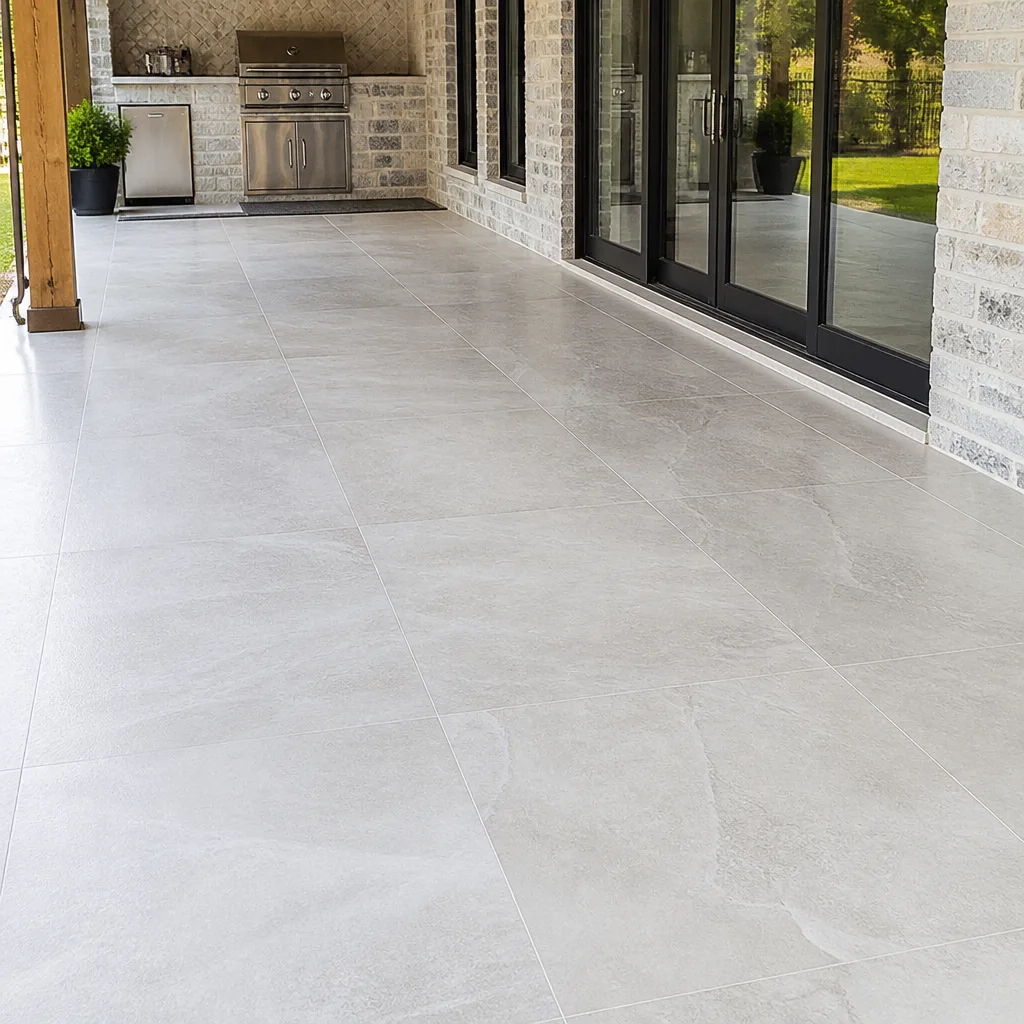
Tile is the material that makes the most intuitive sense in a desert climate, and for good reason. It’s dimensionally stable, it doesn’t care about humidity, it doesn’t off-gas, and it doesn’t warp in heat. But the real advantage in Spring Valley is thermal mass. Tile absorbs and holds temperature slowly, which means a tile floor in a well-insulated home stays cooler underfoot than wood or vinyl during the hottest part of the day. That’s a genuine comfort benefit in July and August, and it’s why tile is such a natural fit for entryways, kitchens, bathrooms, and any room that gets heavy sun.
Where tile backfires is in rooms where you actually want warmth. A large tile floor in a north-facing bedroom can feel cold in winter, which is why many Spring Valley homeowners use tile in the common areas and carpet or engineered wood in the bedrooms.
If you’re considering tile flooring installation, a few things are worth knowing before you commit:
- Grout matters as much as tile. In a dusty environment, grout lines collect fine particulate. A tighter grout line and a quality sealer cut down on maintenance.
- Slab flatness. Tile needs a flat substrate, and slab-on-grade foundations aren’t always flat. The fix is straightforward but should be planned for at the estimate, not discovered mid-install.
- Product source. We work with Daltile, which is a professional-grade source that meets the standards contractors and designers expect. That matters when you want a tile that will wear evenly across a large floor.
Carpet in a Dry, Dusty Environment
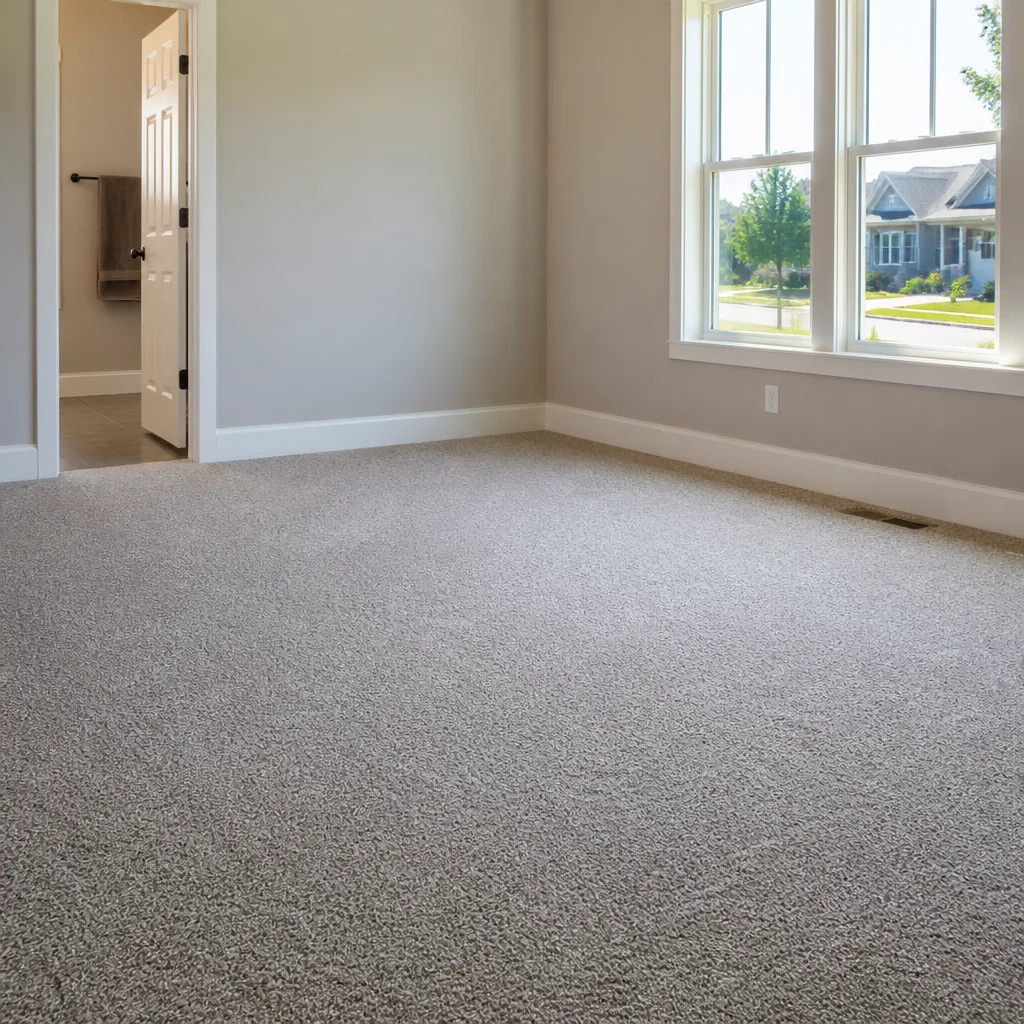
Carpet gets an unfair reputation in desert climates. The concern is real: a plush, high-pile carpet in a dusty home acts like a filter, trapping fine particulate that’s hard to pull out with a standard vacuum. But carpet is also the warmest, quietest, most forgiving floor underfoot, and for bedrooms and stairs it’s still the right choice for many Spring Valley families. The key is choosing the right construction.
What works better in a dry, dusty home:
- Lower pile heights. Cut-pile styles with a shorter height trap less particulate and release more of it when you vacuum. Loop and tight cut-loop styles also hold up well in high-traffic areas.
- Denser fiber. Denser carpet resists matting and holds its shape under foot traffic. Shaw and Mohawk both offer broad ranges of density and style, so you can match the carpet to the room rather than accepting whatever’s on the roll.
- Realistic maintenance. In a dusty climate, vacuum frequency matters more than fiber brand. Frequent vacuuming with a good filtration system keeps a carpet performing.
Carpet also helps with indoor air quality in a subtle way: it holds dust until you remove it, rather than letting it circulate. That’s a reason to choose a carpet you can clean effectively, not a reason to avoid carpet altogether. For a full walkthrough of options, see our carpet installation page.
The Slab-on-Grade Factor
Most homes in Spring Valley are built on slab-on-grade foundations. There’s no basement, no crawlspace, and no subfloor cavity between the living space and the ground. That changes the moisture dynamics in ways that affect every flooring decision, and it’s the piece most national guides leave out entirely.
Here’s what slab-on-grade means in practice:
- Moisture comes from below, not above. A slab can transmit moisture vapor upward even in a dry climate. That vapor has to go somewhere, and if it’s trapped under a floor, it can cause problems over time. The product instructions and the written estimate should address how slab moisture is handled for the specific product you choose.
- Some install methods aren’t available. Nail-down solid hardwood assumes a wood subfloor. Over a slab, the options narrow, which is one reason engineered products and floating installations are so common here.
- Warm floors stay warm. A slab absorbs heat from the sun and from the interior. That’s part of why tile feels cool and comfortable, and it’s part of why a vinyl floor on a sun-exposed slab needs to be rated for it.
The bottom line: in Spring Valley, the foundation matters as much as the product. Any installer who quotes you a floor without asking about your slab is skipping a step that will come back to bite you later.
Acclimation: Why It Matters More Here
Acclimation is the process of letting flooring material sit in the home at normal living conditions before installation so it can adjust to local temperature and humidity. In most of the country it’s a routine step. In a desert climate, it’s the difference between a floor that stays flat and one that surprises you a few months in.
Why it matters more here:
- Wider humidity swings. Material that’s been stored in a warehouse at one humidity level needs time to stabilize at the humidity level it will actually live in.
- Heat exposure. A truck bed in July in Spring Valley is not the same environment as a living room. Material needs time to adjust to the home before it’s locked into place.
- Gap management. Floating installations need an expansion gap at the perimeter, and that gap has to reflect local movement. Acclimation informs how the install is planned.
We don’t publish a fixed acclimation time because it depends on the product and the home, and the product instructions and the written estimate set it. What we do is make sure the material is brought to the home, allowed to adjust under the conditions it will actually live in, and installed with the movement allowances the local climate demands.
How to Choose: A Room-by-Room Approach
The right floor for a Spring Valley home is rarely one product for the whole house. It’s a set of decisions matched to how each room is used and how much sun and traffic it gets. Here’s a practical sequence:
- Bedrooms. Carpet, if you want warmth and quiet, chosen in a denser, shorter-pile construction. Engineered hardwood is also a good fit if you prefer a hard surface.
- Kitchen and bathrooms. Tile. It handles moisture, it’s stable in heat, and it stays cooler in summer. Plan grout and substrate carefully.
- Living areas and hallways. Luxury vinyl plank for durability and water resistance, or engineered hardwood if you want real wood. In high-sun rooms, check the temperature stability of any vinyl product.
- Sun-exposed rooms and additions. Talk through the product’s temperature range before you commit. This is where shortcuts show up fastest.
- Existing hardwood. Before you replace, ask whether refinishing is an option. It often is, and it’s usually the better use of the budget.
As a flooring specialist in Spring Valley, we carry a portfolio of nine brands, including Shaw, Mohawk, COREtec, LifeProof, Mannington, Armstrong, Daltile, and Karndean, so you can compare options from one source instead of shopping across multiple stores. Nine brands, one specialist. If you want to see how this plays out for a full home, the Spring Valley service page is a good starting point.
Common Mistakes to Avoid
- Choosing solid hardwood because it’s “the real thing.” In a desert climate, engineered hardwood is usually the better performer. Solid wood can work, but only with the right install method and a controlled interior, and the wrong choice is expensive to undo.
- Buying vinyl on waterproof claims alone. Water resistance is a useful feature, but temperature stability is the spec that matters in sun-exposed Spring Valley rooms. Check the rated range before you commit.
- Ignoring the slab. Most Spring Valley homes sit on slab-on-grade. Skipping the moisture and flatness conversation is the fastest way to a floor that doesn’t perform.
- Skipping acclimation to save time. Material installed straight off a hot truck into a desert home is being set up to move. Acclimation is not optional here.
- Assuming tile belongs in every room. Tile is excellent in kitchens and bathrooms and genuinely cool in summer, but a large tile floor in a cold north-facing bedroom can feel uncomfortable underfoot.
- Picking a high-pile carpet in a dusty home. It traps fine particulate and is hard to clean. A denser, shorter-pile construction serves Spring Valley homes better.
- Replacing a wood floor that just needs refinishing. If the wood is thick enough and in decent condition, refinishing is often the better call. Have it checked before you assume replacement.
See the difference
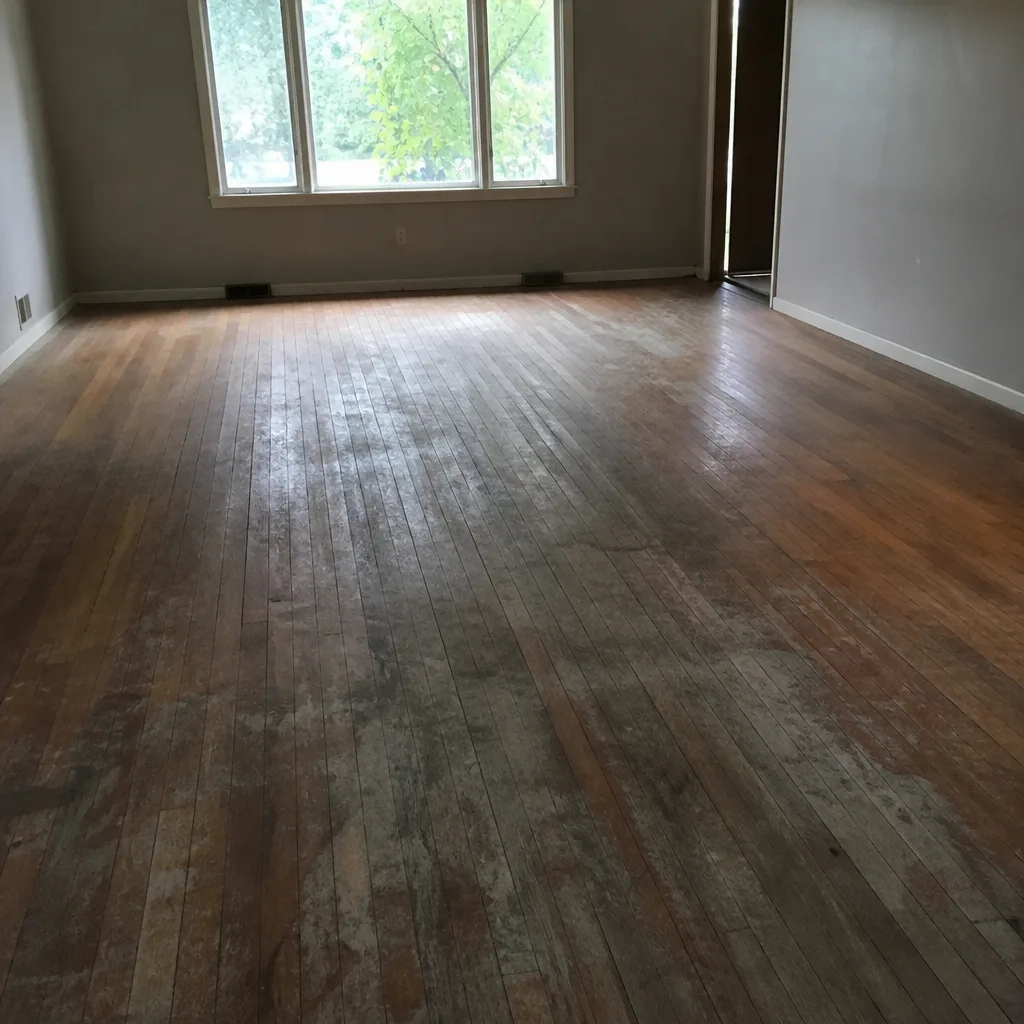 Before
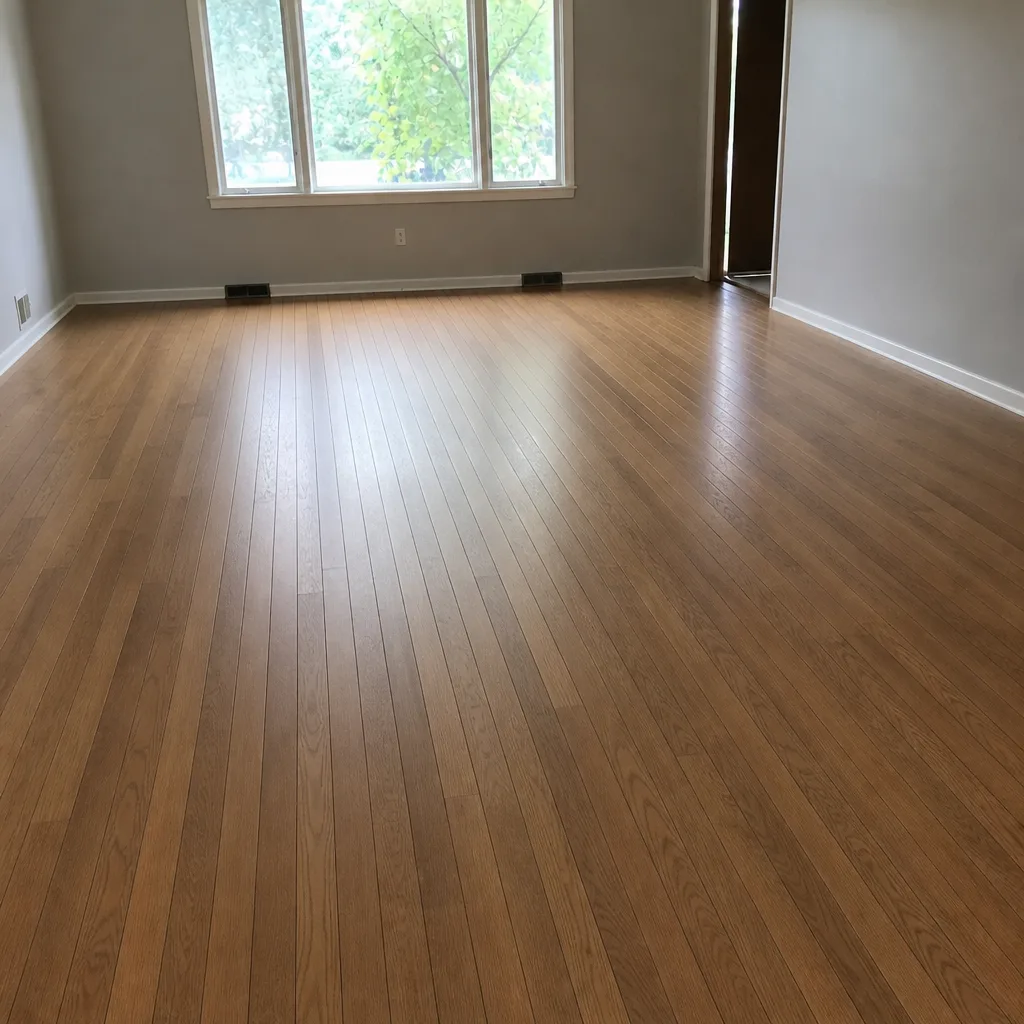 After
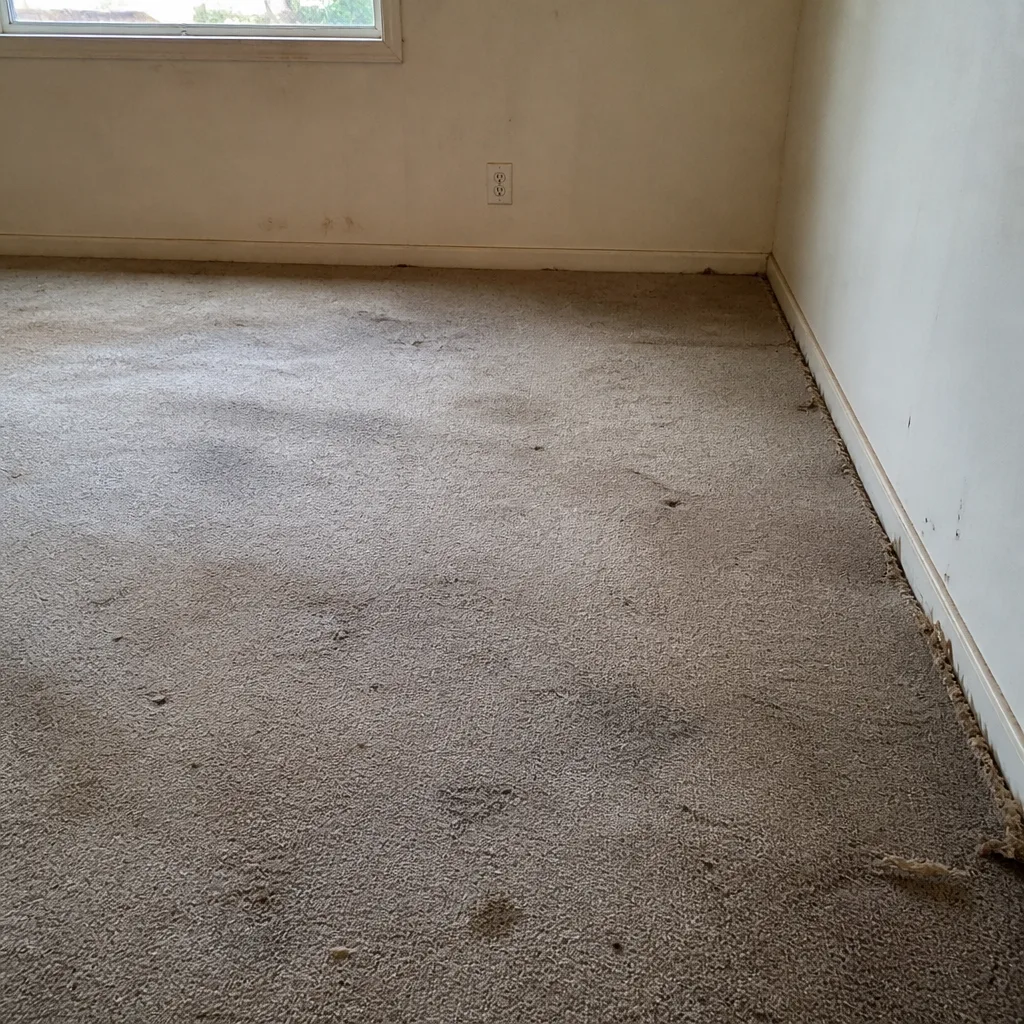 Before
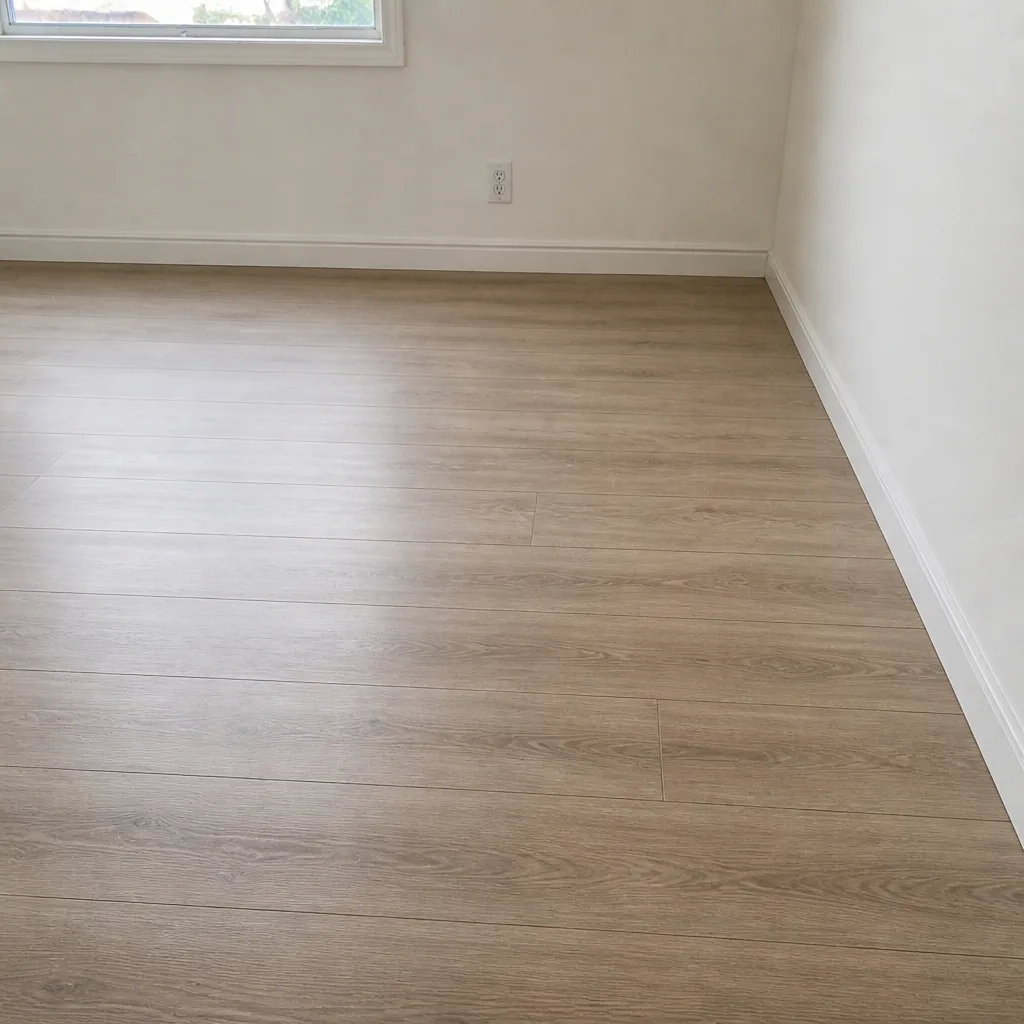 After
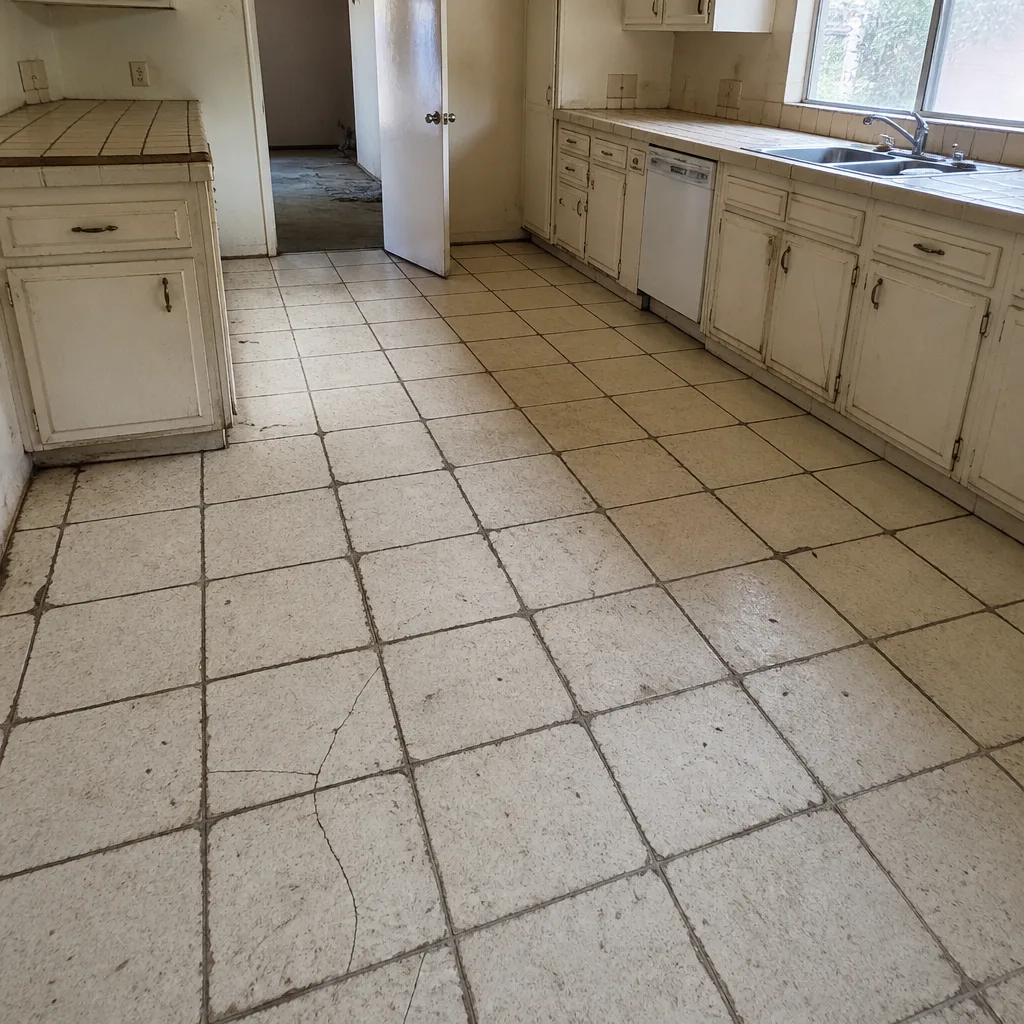 Before
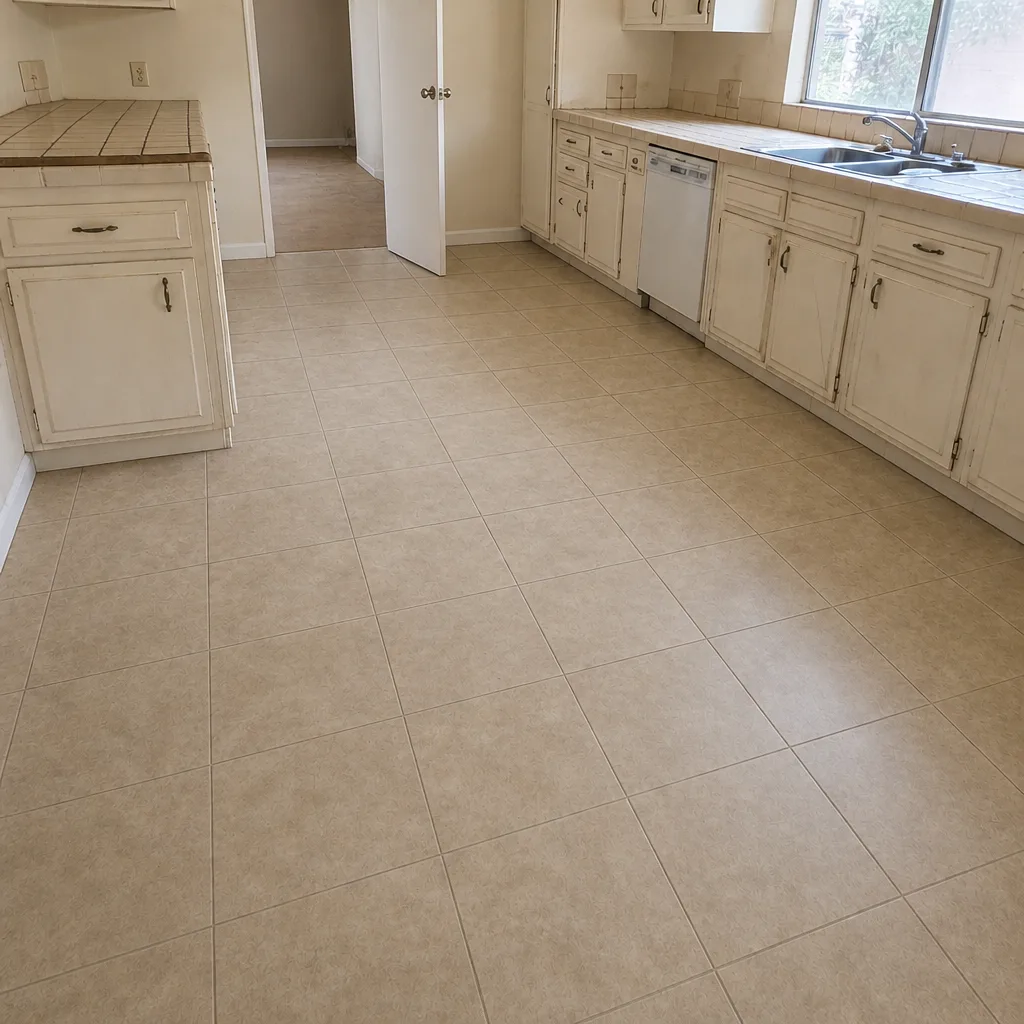 After
When to Call a Professional
Some flooring questions are best answered on site, not over the phone. If your existing wood floor is gapping, cupping, or showing surface checking, that’s a sign the local climate is already working on it, and the fix depends on the product and the subfloor. If you’re planning a change in a sun-exposed room or over a slab, the temperature and moisture dynamics need a professional read before you buy material. If you’re considering refinishing rather than replacement, the thickness and condition of the wood determine whether it’s realistic, and that has to be checked in person. At Spring Valley Floors, we offer free estimates in Spring Valley: we come out, look at the space, talk through products, and put the price in writing. Call (833) 734-5027 to schedule your free estimate. We answer 24/7. Fast dispatch from 7am to 7pm, Sunday through Friday. Our technicians have up to 8 years of experience, and our team handles Spring Valley Floors projects across carpet, tile, and hardwood refinishing.
Frequently Asked Questions
The best flooring for a Las Vegas-area desert climate depends on the room. Engineered hardwood and rigid-core luxury vinyl plank handle the humidity and temperature swings best in common areas, tile is the most thermally stable choice for kitchens and bathrooms, and a denser, shorter-pile carpet remains a good fit for bedrooms. The unifying factor is choosing products rated for the local temperature range and installed with proper acclimation. Call (833) 734-5027 to schedule a free estimate and talk through the options for your home.
Solid hardwood can gap in Spring Valley because the dry summer air causes the planks to shrink slightly across their width, which opens the seams. Narrow seasonal gaps are normal, but wide or persistent gaps usually point to a product or install that didn’t account for the local humidity swing. Engineered hardwood is generally more dimensionally stable here. An on-site look at your floor is the only way to know which situation you’re dealing with, so call (833) 734-5027 for an exact quote. Estimates are free.
Luxury vinyl plank can be a good choice for a sun-exposed room in Spring Valley, but the spec that matters is temperature stability, not just water resistance. Vinyl expands and contracts with heat, so a product rated for the temperature range your room reaches will perform far better than one that isn’t. COREtec and LifeProof are rigid-core lines we often recommend for households that live hard on their floors. Call (833) 734-5027 and we’ll help you match the product to the room.
Yes, tile generally stays cooler underfoot than wood or vinyl in a desert home because of thermal mass. It absorbs and releases heat slowly, so a tile floor in a well-insulated home feels cooler during the hottest part of the day. That’s a real comfort advantage in Spring Valley summers, though it can make a north-facing bedroom feel cold in winter. Call (833) 734-5027 for a free estimate on tile flooring installation.
Yes, you do need to think about slab moisture in Spring Valley, because most homes here are slab-on-grade and moisture vapor can move upward through the concrete. How that’s handled depends on the product you choose and your home’s specific conditions, which is why the product instructions and the written estimate set the approach. It’s a conversation to have before you buy material. Call (833) 734-5027 to schedule a free estimate.
Refinishing is often the better choice if your existing hardwood is thick enough and in good condition, because it restores the floor you already have rather than replacing it. Whether it’s realistic depends on the thickness of the wood and its condition, which we check at the estimate visit. A stain match to a sample isn’t guaranteed. If you’re weighing the two, call (833) 734-5027 for a free estimate and an honest read on which path makes sense.
The Bottom Line
Spring Valley’s desert climate is not a hostile environment for flooring, but it is a demanding one. Low humidity moves wood more than most national guides admit, high sun exposure stresses vinyl products that aren’t rated for the temperature, and slab-on-grade foundations change how moisture behaves under every floor. The homeowners who end up happy are the ones who match the product to the room, respect acclimation, and get the foundation checked before they buy. Nine brands and three service lines mean you can make those decisions in one place, with the expertise to back them up. Your floor, your call, and we’re here to help you make it.
Written by the team at Spring Valley Floors.