
Last updated November 18, 2026
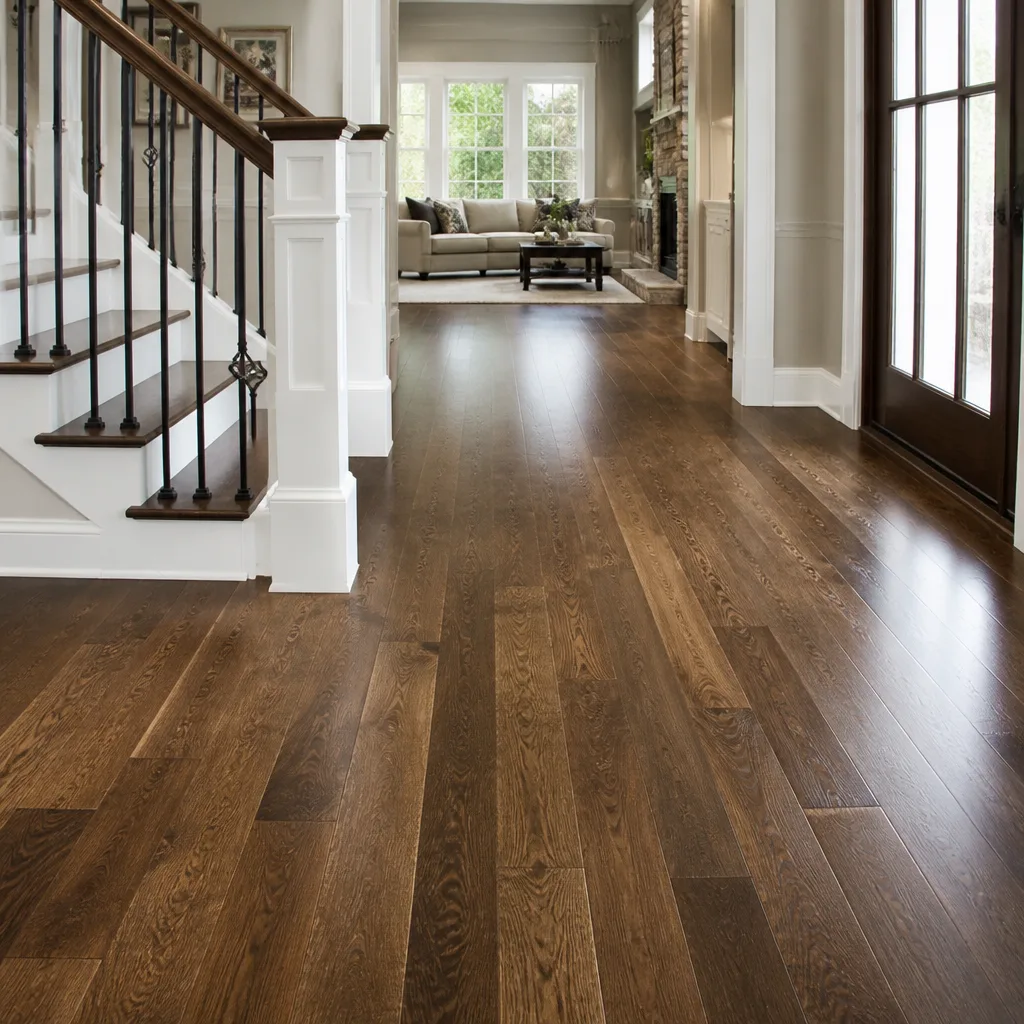 Hardwood
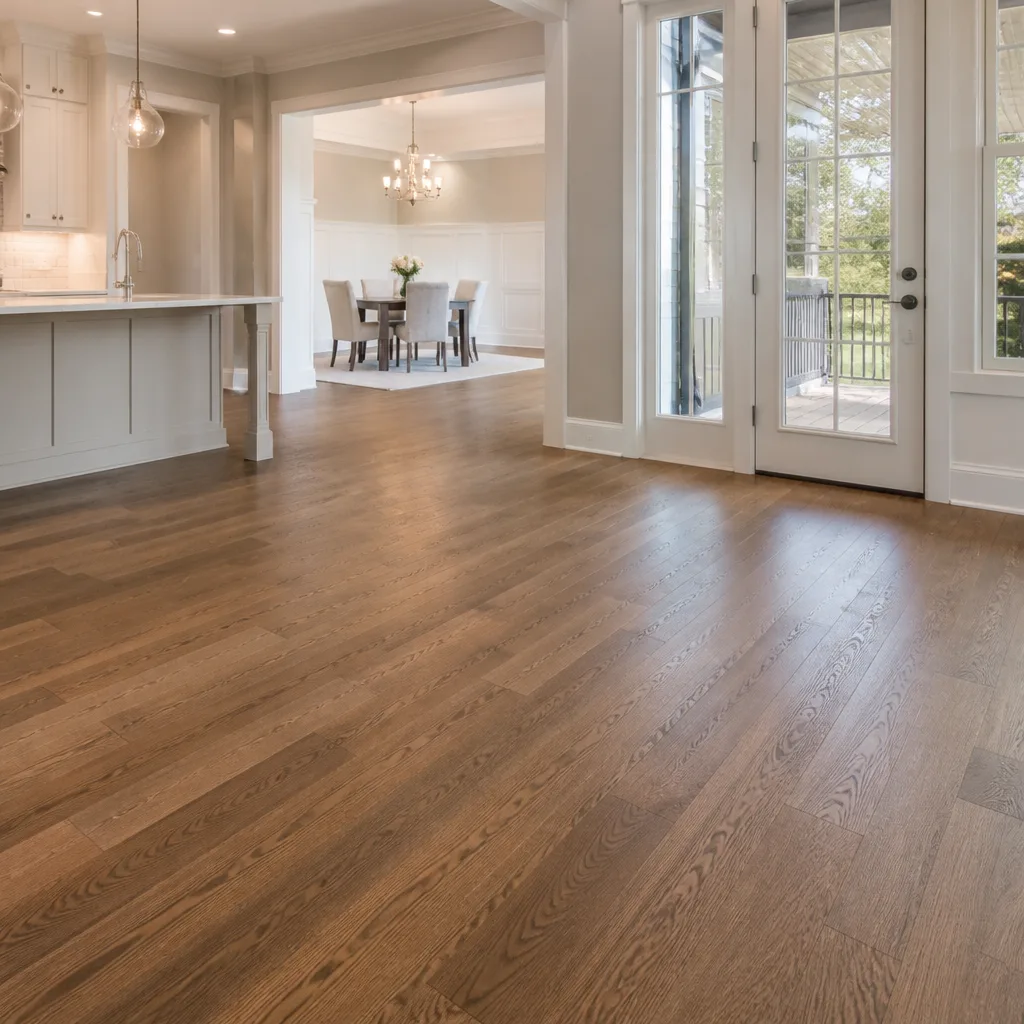 Engineered hardwood
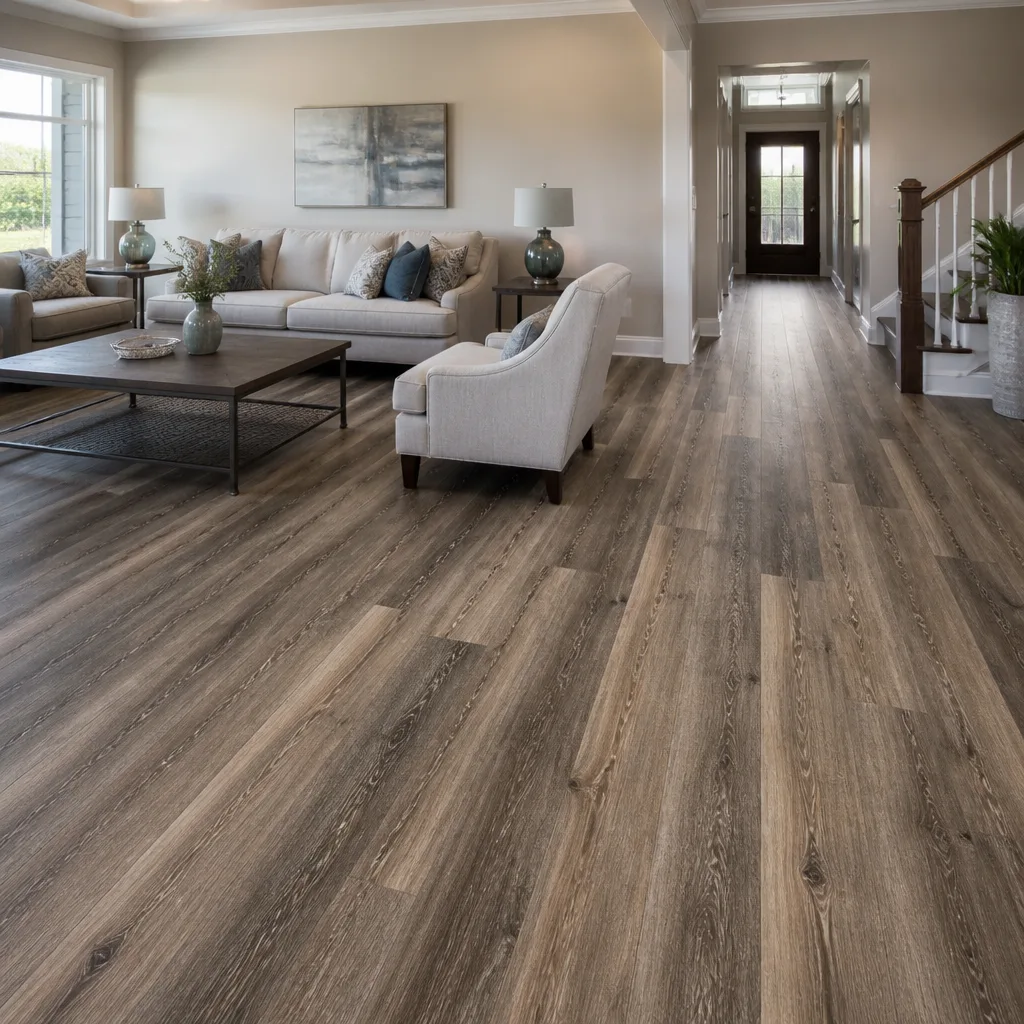 Luxury vinyl plank
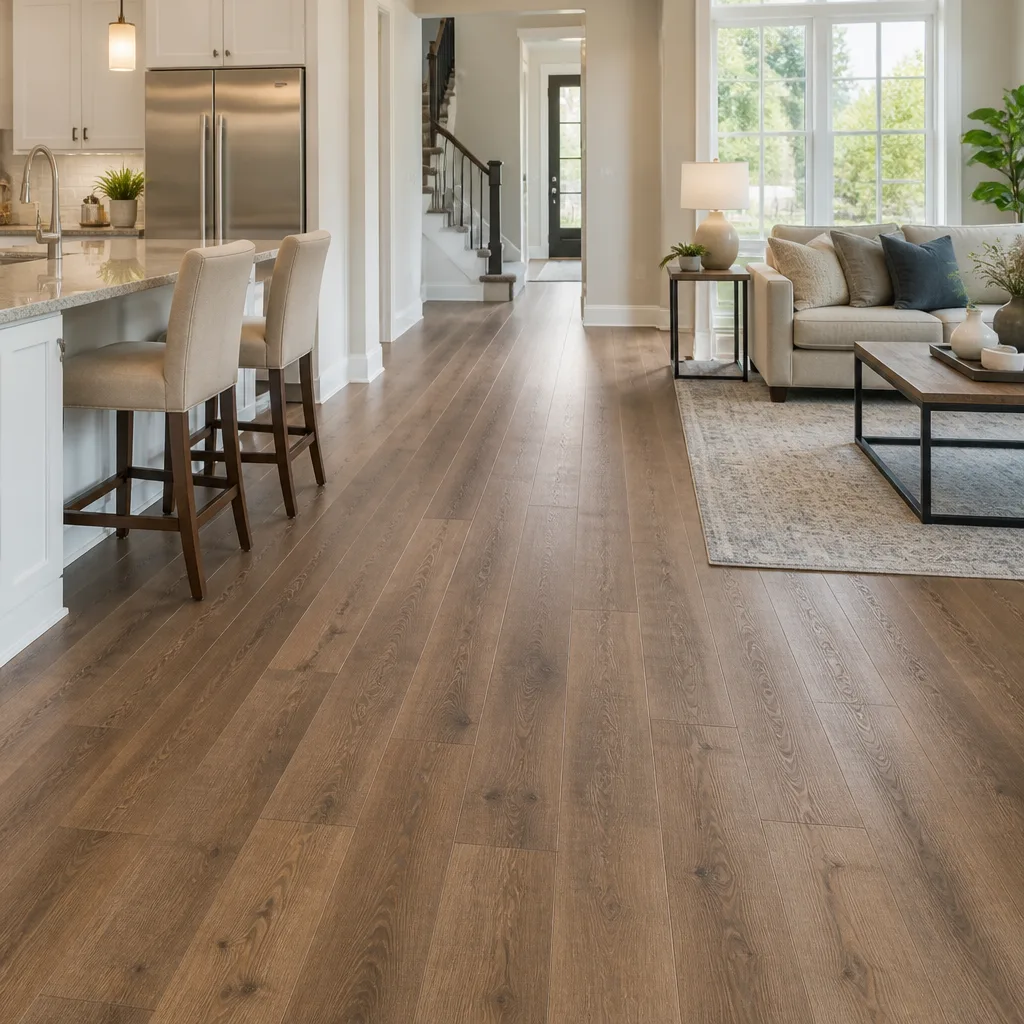 Laminate
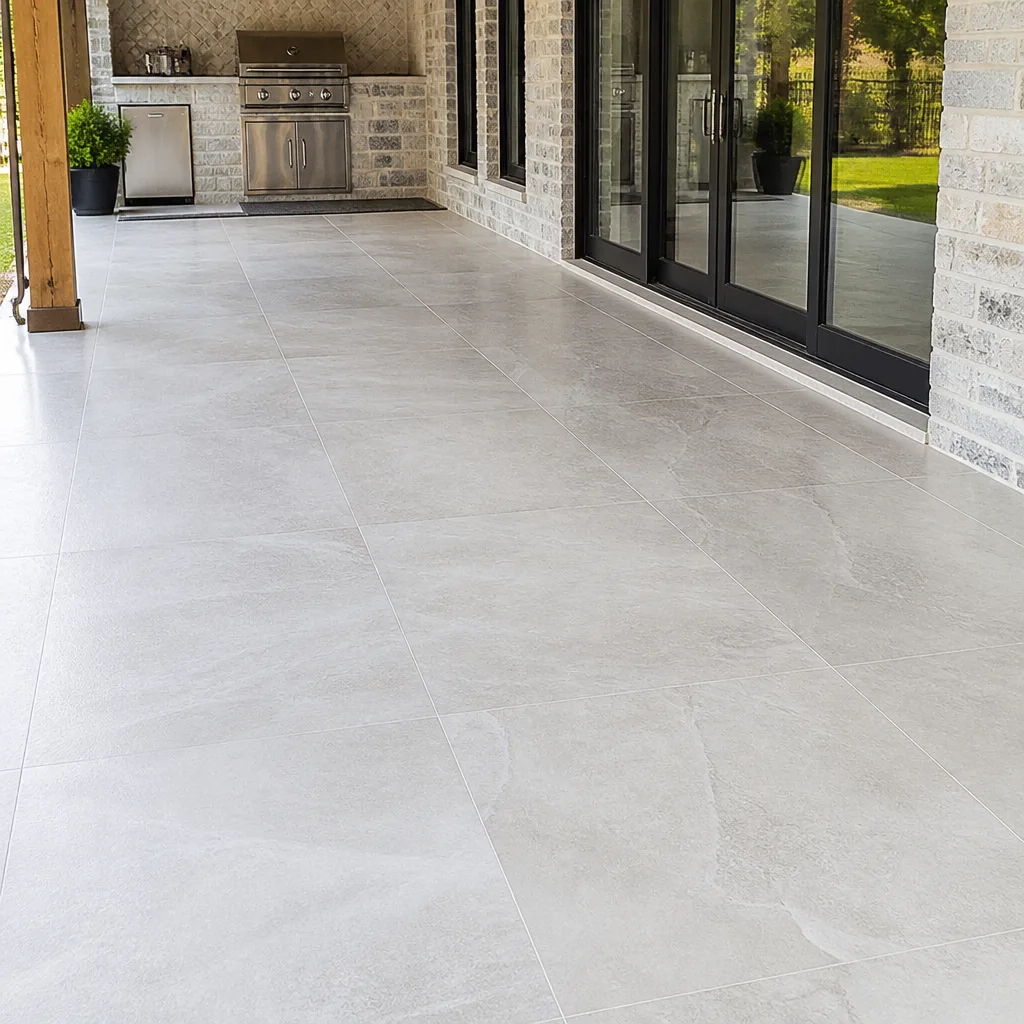 Porcelain tile
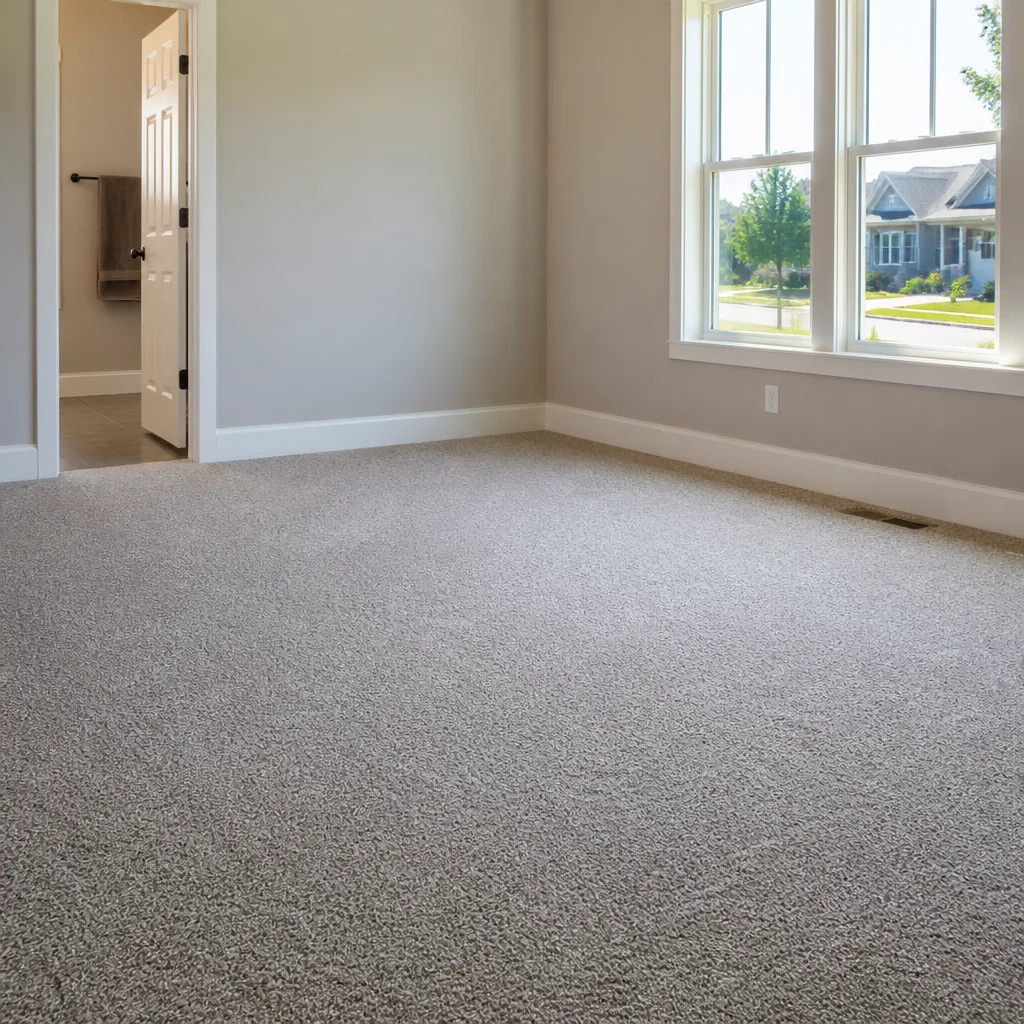 Carpet
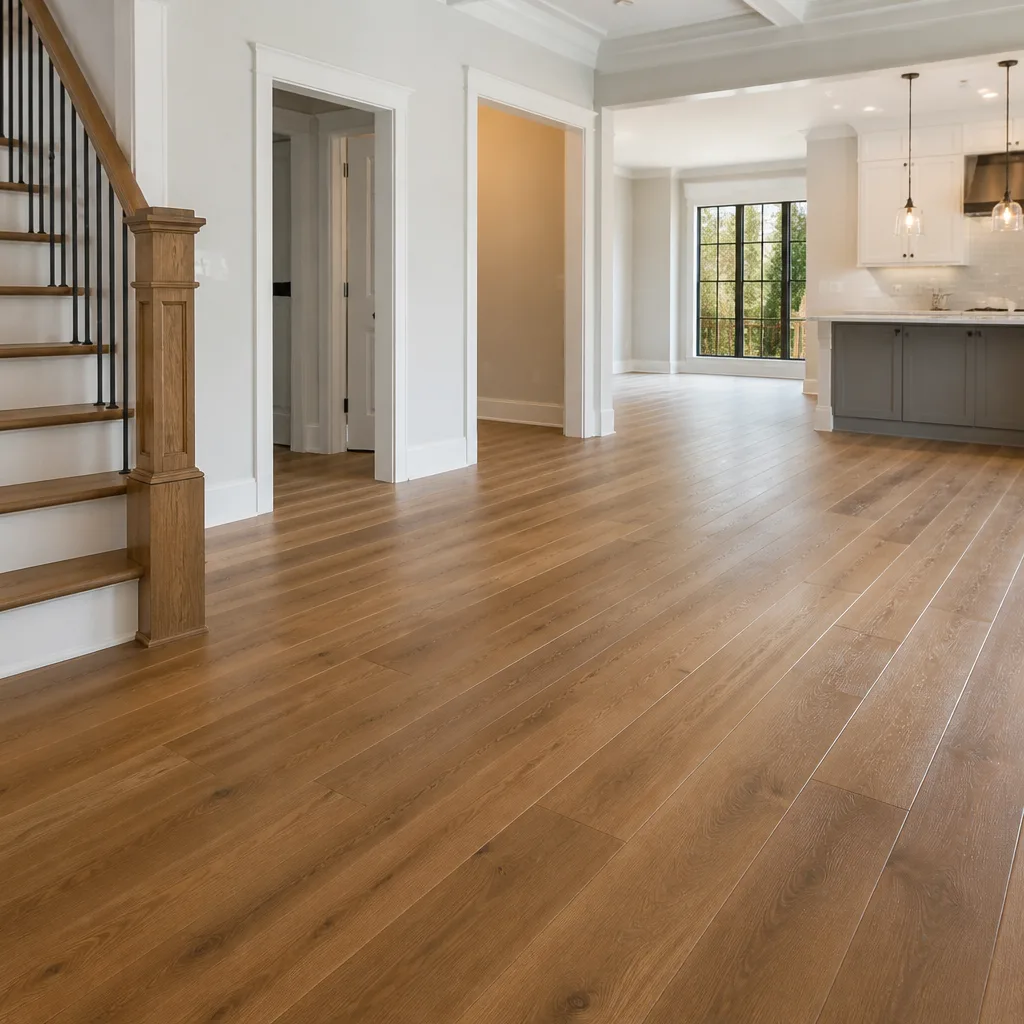 Shaw
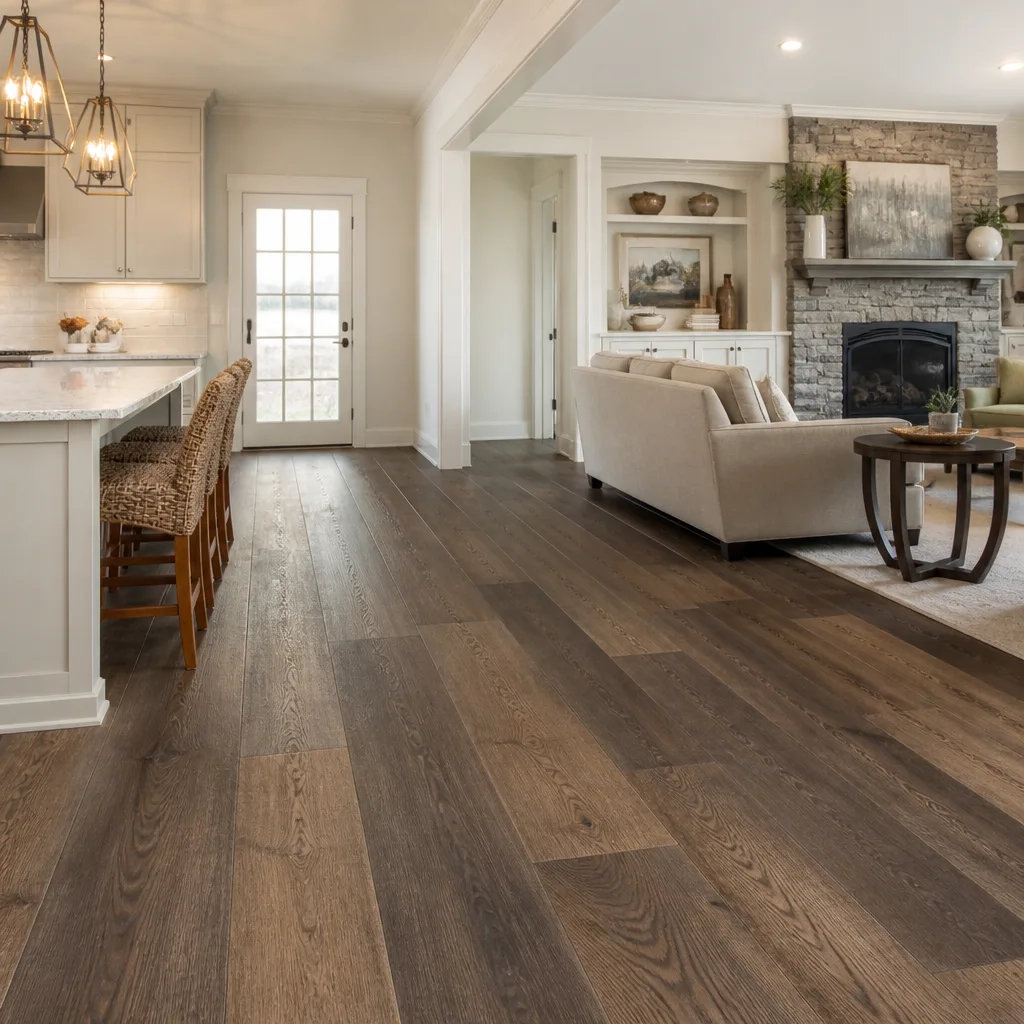 Mohawk
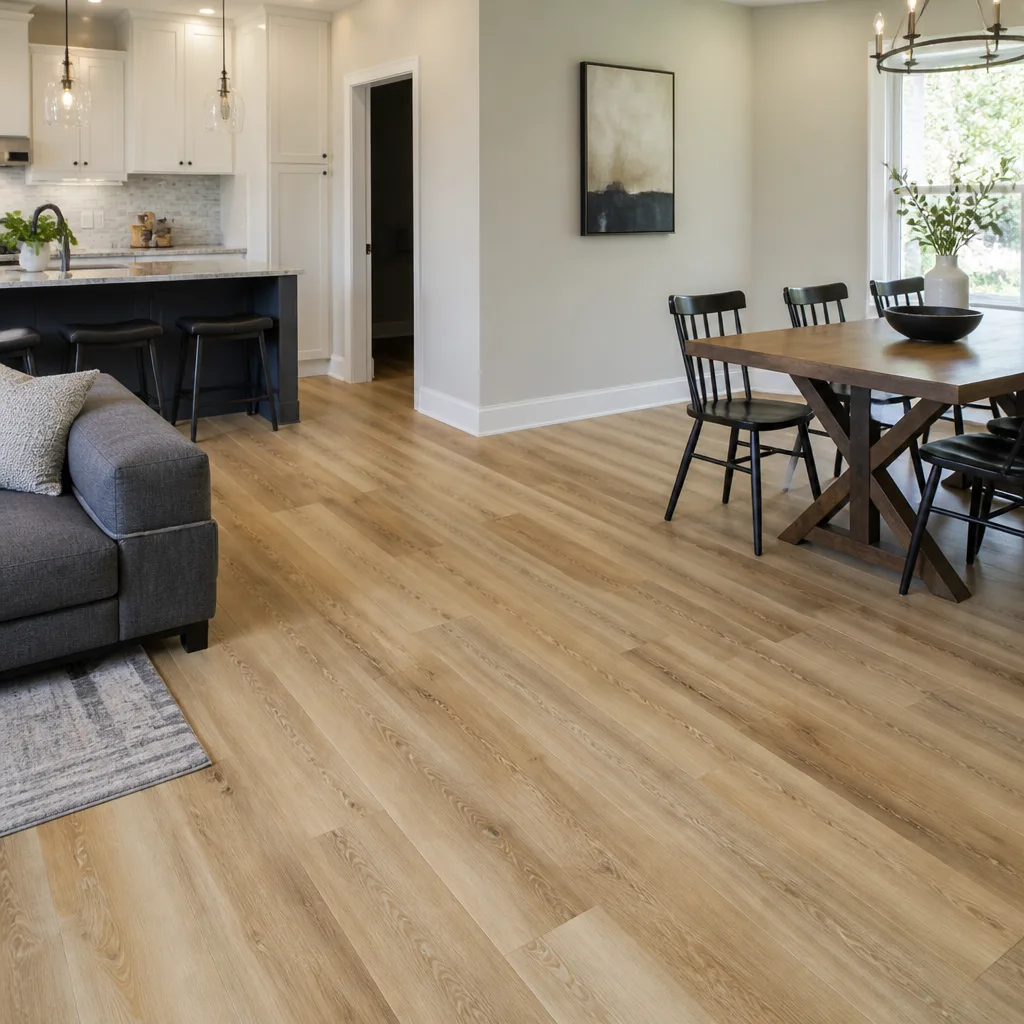 COREtec
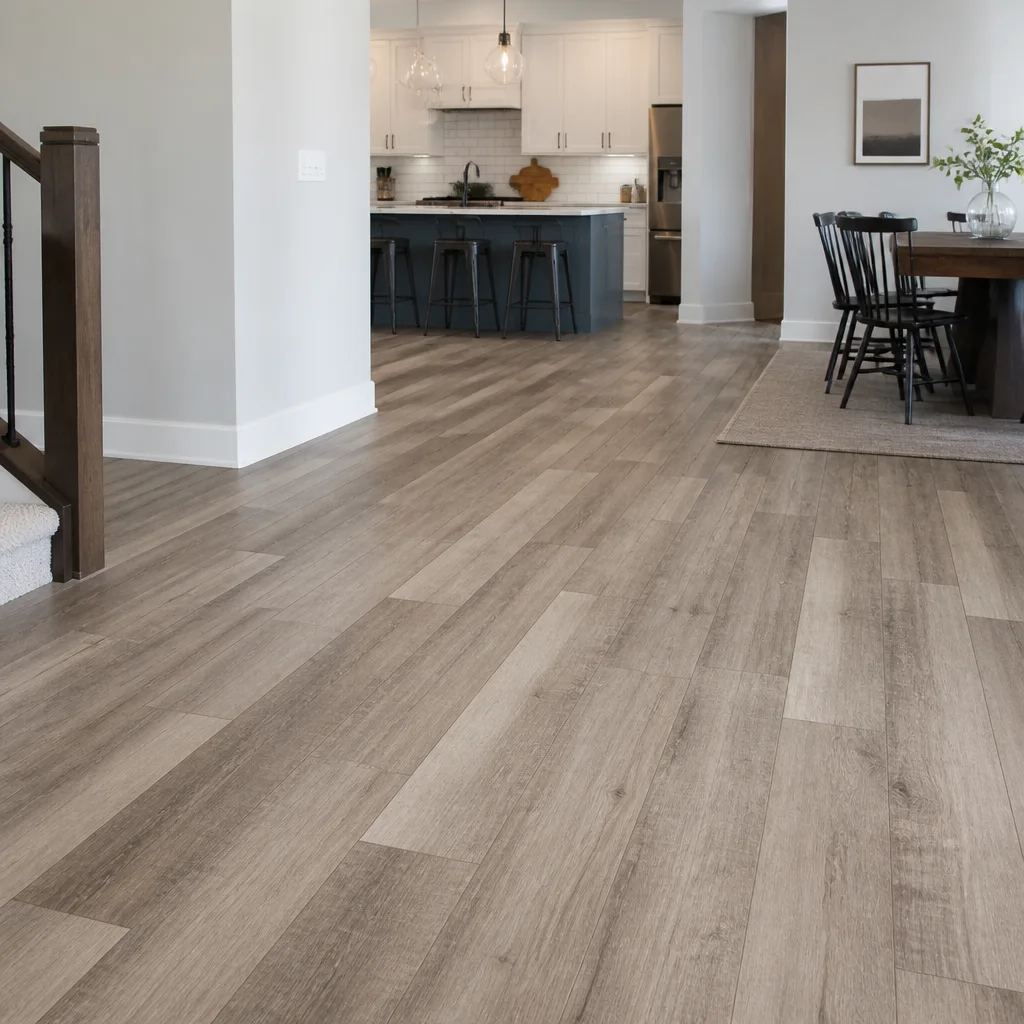 Pergo
Free in-home measure and written estimate: Shaw, Mohawk, COREtec and Pergo lines compared on your own rooms, with carpet, tile, vinyl plank, laminate and hardwood laid out side by side
Get your free estimateFlooring Cost Breakdown: The Spring Valley Homeowner’s Reference for 2026
The $3-per-square-foot vinyl plank you see advertised is the material cost only. By the time a Spring Valley installation is finished, the all-in number is typically 2 to 3 times that figure, and the extra isn’t padding. It’s tear-out, haul-away, floor prep, trim, and the labor that ties it all together. Most cost guides skip those line items, which is exactly why homeowners walk into an estimate expecting one number and hear another. This reference breaks down every component for each floor type, explains why two products in the same category can price so differently, and shows what project size and local labor rates do to your total in Spring Valley.
Quick Answer
Flooring installation in Spring Valley generally runs about $4 to $12 per square foot all-in for carpet and luxury vinyl, $8 to $18 per square foot for tile, and $12 to $25 per square foot for solid or engineered hardwood, and hardwood refinishing typically lands near $4 to $9 per square foot for the sanding and finish side of the job. Those ranges cover material, labor, tear-out, disposal, prep, and trim for a typical room, not a single square foot of plank you buy off a pallet. The written estimate sets your final price, and it’s the only number worth budgeting against.
Styles & brands we work with
- Hardwood
- Engineered hardwood
- Luxury vinyl plank
- Laminate
- Porcelain tile
- Carpet
- Shaw
- Mohawk
- COREtec
- Pergo
Table of Contents
- The Full Line-Item Breakdown by Floor Type
- Why Two Luxury Vinyl Floors Cost $2 vs. $6 Per Square Foot in Material
- Local Labor Rates: Spring Valley vs. Henderson and Las Vegas
- How Project Size Changes Your Per-Square-Foot Price
- What Carpet Installation Costs in Spring Valley
- What Tile Flooring Installation Costs in Spring Valley
- Hardwood Refinishing vs. Replacement: The Real Math
- Which Upgrades Add Resale Value in the Spring Valley Market
The Full Line-Item Breakdown by Floor Type
Here’s the part most cost guides leave out. The number on a flooring quote is a stack of separate line items, and each one changes based on what your home needs.
- Material: The floor itself, from $1 to $8 per square foot for carpet, $2 to $7 for luxury vinyl, $2 to $10 for tile, and $4 to $12 for hardwood. This is the number you see advertised.
- Installation labor: Roughly $2 to $6 per square foot for carpet and vinyl, $5 to $10 for tile, and $4 to $9 for hardwood. Tile and hardwood take more time per square foot than a plank floor.
- Demo and tear-out: Removing the old floor adds $1 to $3 per square foot. Tile removal is the most labor-intensive because it’s chipped out and the subfloor is scraped clean.
- Disposal and haul-away: Old carpet, pad, tile, and wood all have to leave your home. Budget $0.50 to $1.50 per square foot, with carpet being the bulkier end of that range.
- Subfloor prep and leveling: Floors aren’t flat. Grinding high spots, filling low ones, and replacing damaged subfloor panels runs $1 to $4 per square foot, and it’s the single most skipped line on a lowball quote.
- Trim, transitions, and baseboard: Quarter round, shoe molding, t-molds where floors meet, and reinstalling baseboards after the new floor goes in. Plan $2 to $6 per linear foot.
Add those together and you get the all-in number you actually pay. When a bid comes in far below the others, one of these lines is usually missing, and it shows up later.
Why Two Luxury Vinyl Floors Cost $2 vs. $6 Per Square Foot in Material
Two luxury vinyl plank floors sitting side by side in a sample book can be priced 3 times apart. That difference is real, and it comes down to how the floor is built.
- Wear layer thickness. The clear top layer is what takes the scuffs, and a thicker one generally costs more. We won’t quote you a specific number because it depends on the exact product and the manufacturer’s published spec, but it’s the biggest driver of price.
- Rigid core vs. flexible plank. Rigid-core construction holds up better over minor subfloor variation and feels more solid underfoot, so it prices higher than a thin glue-down or flexible product.
- Print quality and texture. A plank with a convincing grain pattern and embossed texture costs more to make than a flat, repetitive one. Design-forward brands like Karndean sit in the premium space for exactly this reason.
- Water resistance and pet performance. Households with dogs and kids should look at Spring Valley Floors‘ LifeProof and COREtec lines, which are built for water resistance and heavy traffic. That performance carries a price, and it’s usually worth it.
- Attached vs. separate underlayment. A pad attached to the back saves a material line item and a bit of labor.
The takeaway for a Spring Valley homeowner is not to chase the cheapest plank. A $2 floor and a $6 floor are different products, and the right answer depends on where the floor is going and how hard you’ll live on it.
Local Labor Rates: Spring Valley vs. Henderson and Las Vegas
Labor is the big variable in any flooring estimate, and it shifts across the valley. Spring Valley, Henderson, and Las Vegas proper sit within a narrow range on flooring labor, but the differences are worth understanding when you compare quotes.
Las Vegas proper and the older established neighborhoods around the city core tend to hold slightly higher labor rates than the farther suburbs, partly because access and parking are tighter and the homes themselves are often older. Older homes also mean more subfloor prep, more surprises under the carpet, and more time per room. Henderson tracks close to Spring Valley, with newer construction further south pulling rates down a bit and older pockets pulling them up.
Spring Valley is a good middle ground. The housing stock is a mix of decades, so two rooms in the same neighborhood can need very different prep work. Climate matters here too: the dry desert air and the temperature swings between seasons push many homeowners toward rigid-core vinyl and tile over solid hardwood in rooms with big windows and direct sun, and that preference affects which labor line items show up on a quote.
When you compare three estimates, compare the labor line and the prep line, not just the total. A quote that includes thorough subfloor prep will land slightly higher than one that skips it, and it’s the one that won’t come back with a change order.
How Project Size Changes Your Per-Square-Foot Price
Small jobs carry a higher per-square-foot price, almost always. That’s not a markup, it’s the nature of the work.
- The setup cost is fixed. Moving in tools, setting up a cutoff station, protecting your furniture and doorways, and the final cleanup take the same time whether it’s one room or a whole floor. Spread over 150 square feet instead of 1,500, that cost shows up in every square foot.
- Material comes with minimums. Even small rooms need full cartons, and the overage for cutting waste doesn’t shrink with the room.
- Single-room price. A single bedroom or small office usually runs $1 to $2 per square foot higher all-in than a whole-home install.
- Multi-room and full-home price. Three or more rooms in one scheduled project is where per-square-foot pricing tends to settle into the lower end of the range. Bundling adjacent rooms also cuts transition strips and trim work.
Bundling makes sense when the rooms share the same floor and the same prep conditions. It makes less sense when one room needs heavy subfloor repair and another doesn’t. Ask for the quote with each room broken out so you can see where the cost actually sits.
A free in-home measure is the only reliable way to know where a project falls. We measure each room, note the prep, and the written price covers the scope before any work is scheduled.
What Carpet Installation Costs in Spring Valley
Carpet is usually the lowest all-in cost per square foot of any floor type, and it’s the one that most often surprises homeowners on the upside because of the pad and disposal lines.
- Carpet material: $1 to $8 per square foot depending on fiber and construction.
- Carpet pad: $0.50 to $1.50 per square foot. This is not the place to cut corners. Pad life and floor comfort depend on it.
- Installation labor: $2 to $5 per square foot, including stretching and seaming.
- Tear-out and disposal of old carpet: $1 to $3 per square foot, plus haul-away.
- Transitions and trim: $2 to $6 per linear foot.
Mohawk and Shaw both make carpet across a wide range, which is why brand matters less than the specific product and the pad under it. If the room is a bedroom or a hall, a mid-range carpet with a solid pad usually performs better dollar-for-dollar than a step up in fiber. Our carpet installation page goes deeper on what a scheduled install involves.
What Tile Flooring Installation Costs in Spring Valley
Tile is the highest labor line of the common floor types, and the material cost can swing widely depending on what you choose. All-in, expect $8 to $18 per square foot for a typical room.
- Tile material: $2 to $10 per square foot, with porcelain on the lower end and large-format or designer tile on the upper.
- Installation labor: $5 to $10 per square foot. Layout, cutting, and setting take time, and larger tile means more careful prep.
- Underlayment and setting materials: $1 to $3 per square foot. This is not optional and it’s not where you save.
- Grout and sealing materials: often included in the labor line, sometimes broken out.
- Old tile removal: $2 to $4 per square foot. This is the toughest demo work of any floor.
Daltile is our professional-grade tile line, and it’s the brand we steer toward when the project calls for large-format or design-forward tile. If you want a specific pattern, plan for more cuts, more waste, and a slightly higher labor line. Our tile flooring installation page covers layout decisions and what to expect on install day.
Hardwood Refinishing vs. Replacement: The Real Math
If your home already has solid hardwood, refinishing is usually the smarter financial call than tearing it out. An all-in replacement runs $12 to $25 per square foot, while refinishing typically lands around $4 to $9 per square foot, and it keeps the original floor that’s already part of your home’s character.
Refinishing is sanding the existing surface down, filling gaps and imperfections, staining if you want a color change, and applying a new finish. Replacement means removal, disposal, new material, and new installation.
One caveat we always raise at the estimate visit: not every floor can be refinished. It depends on the thickness of the wood and its condition, and whether a previous refinish already took off most of the wear layer. A stain also won’t always match a sample exactly, because the final color depends on the wood species under your existing finish. These are things we check in person, not over the phone.
When a hardwood floor is in good shape, we’d rather restore what you have before recommending replacement. That’s the honest math.
Which Upgrades Add Resale Value in the Spring Valley Market
Some flooring upgrades help a sale, some are purely personal. Being honest about which is which saves you money.
In the Spring Valley market, buyers respond to floors that read as clean, durable, and neutral. That usually means a mid-to-upper range luxury vinyl or tile in the main living areas and quality carpet in the bedrooms. These are floors that perform in a climate with hard sun, dry air, and dust, and buyers notice when the floor isn’t already showing its age. LifeProof and COREtec sit in this zone for active households because they hold up to water and pets.
Upgrades that mostly serve personal taste rather than resale include very specific stain colors on hardwood, unusual tile patterns, and high-end designer materials in secondary rooms. None of those are wrong choices. They’re just choices to make for you, not for a future buyer.
Hardwood refinishing sits in a middle ground. If the existing floor is solid and in reasonable shape, refinishing it restores a feature most buyers value, at a much lower cost than replacement. If the floor is beyond saving, the math changes.
Our advice to any Spring Valley homeowner is to separate the two conversations. Decide what you actually want to live on first. Then squeeze the resale question into second place.
Common Mistakes to Avoid
- Budgeting on material price alone. A $3-per-square-foot plank is not a $3-per-square-foot floor. The install, prep, and trim will roughly double or triple the number. Budget the all-in range before you shop.
- Choosing the low bid without reading the scope. A quote that skips subfloor prep or disposal will come back with a change order. In a valley with mixed-age housing, prep is the line that swings the most.
- Skipping the in-home measure. Phone estimates on a Spring Valley home miss the actual subfloor, the actual room count, and the actual transitions. The free in-home measure is where the real number comes from.
- Buying material before you know the install scope. If you order the floor before the space is measured, you can’t plan for the overage on cuts and pattern alignment. Let the measure drive the material order.
- Picking a floor based on a photo. Samples in a showroom read differently than a floor in a room with desert daylight on it. Ask to see the product in your home’s light before you commit.
- Choosing for style at the expense of the room. A water-resistant floor in the bathroom and a durable one in the entryway matter far more than a trend. Match the product to the room.
- Assuming refinishing is a sure thing. Not every hardwood floor can take another sanding. Have it checked before you budget for refinishing over replacement.
See the difference
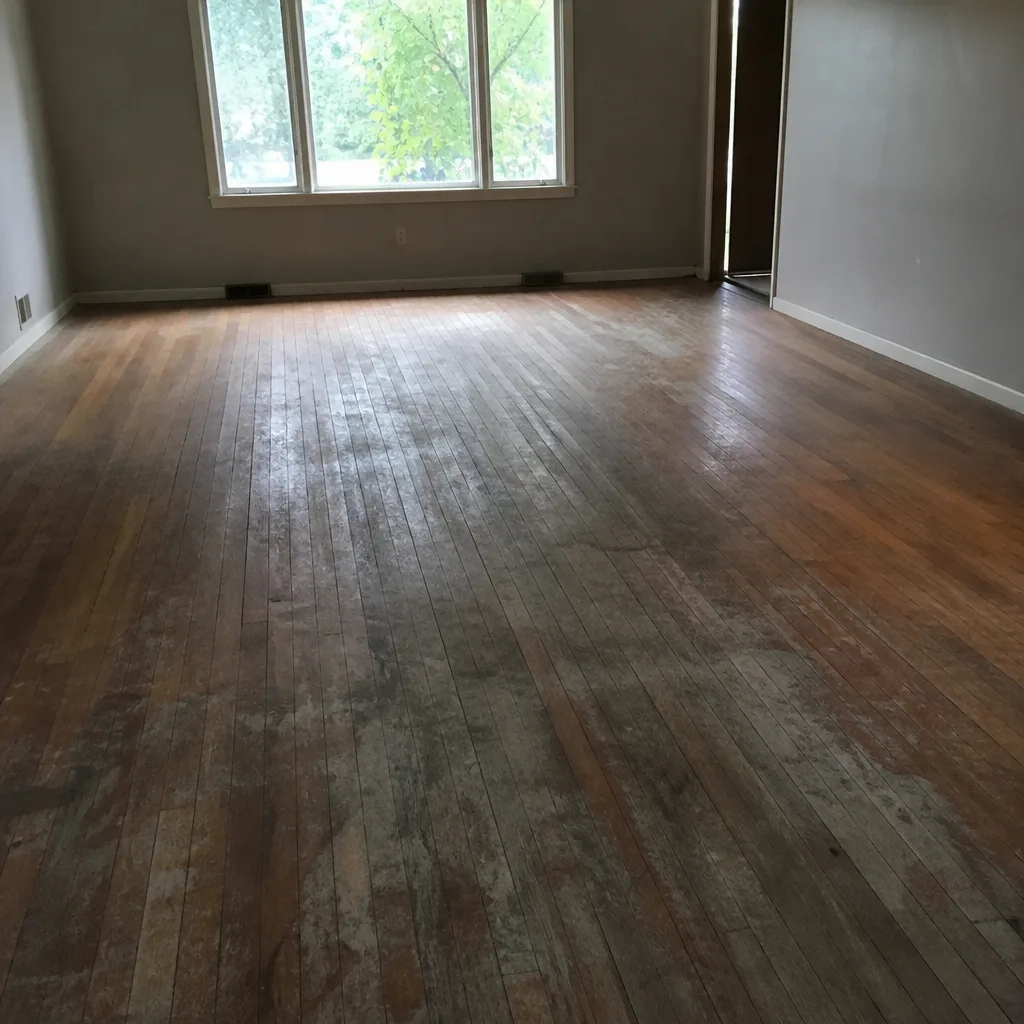 Before
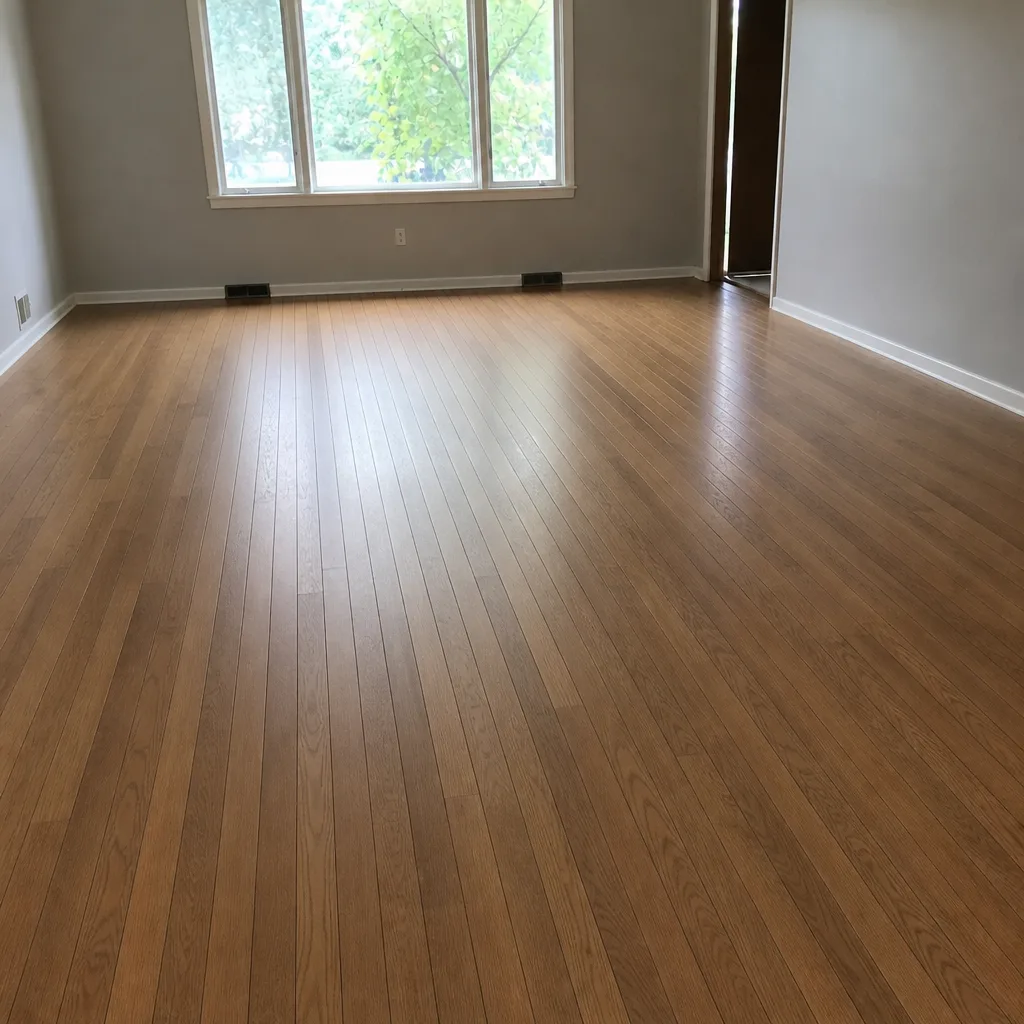 After
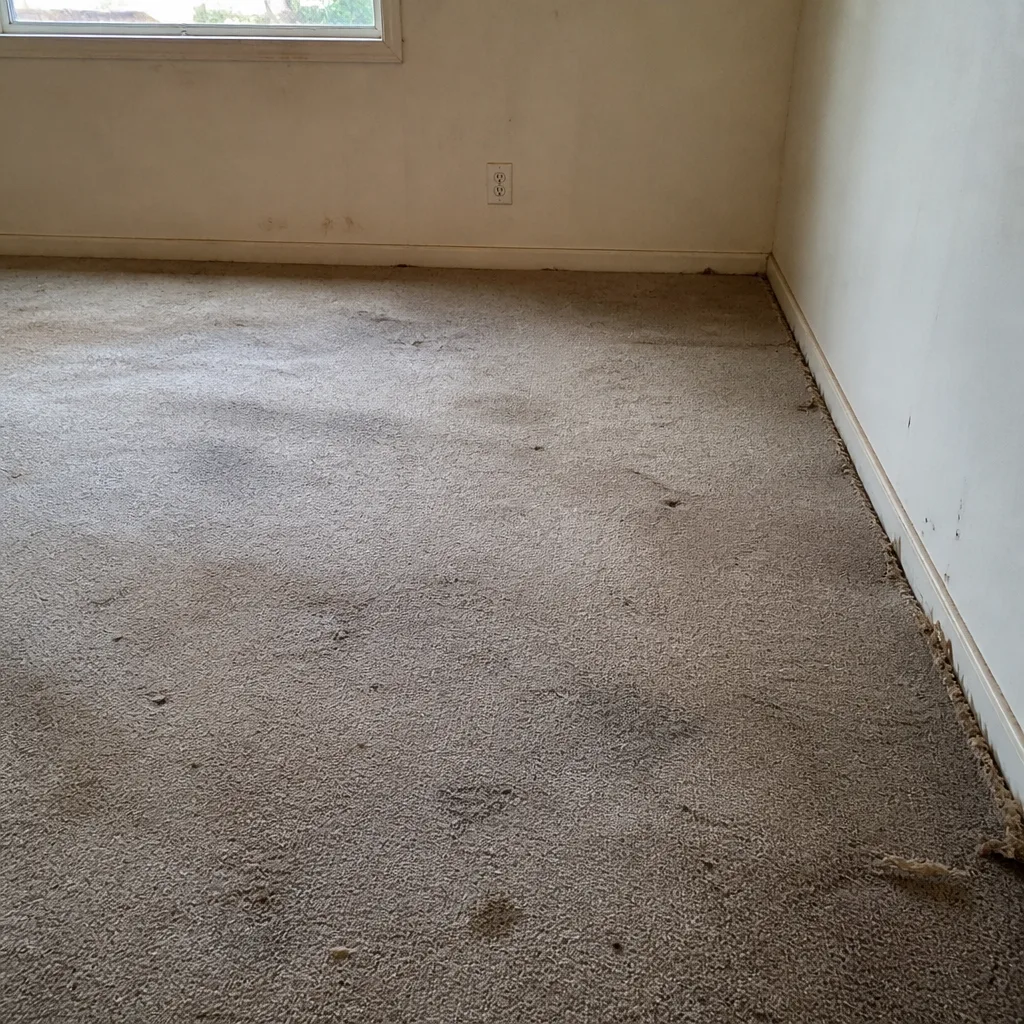 Before
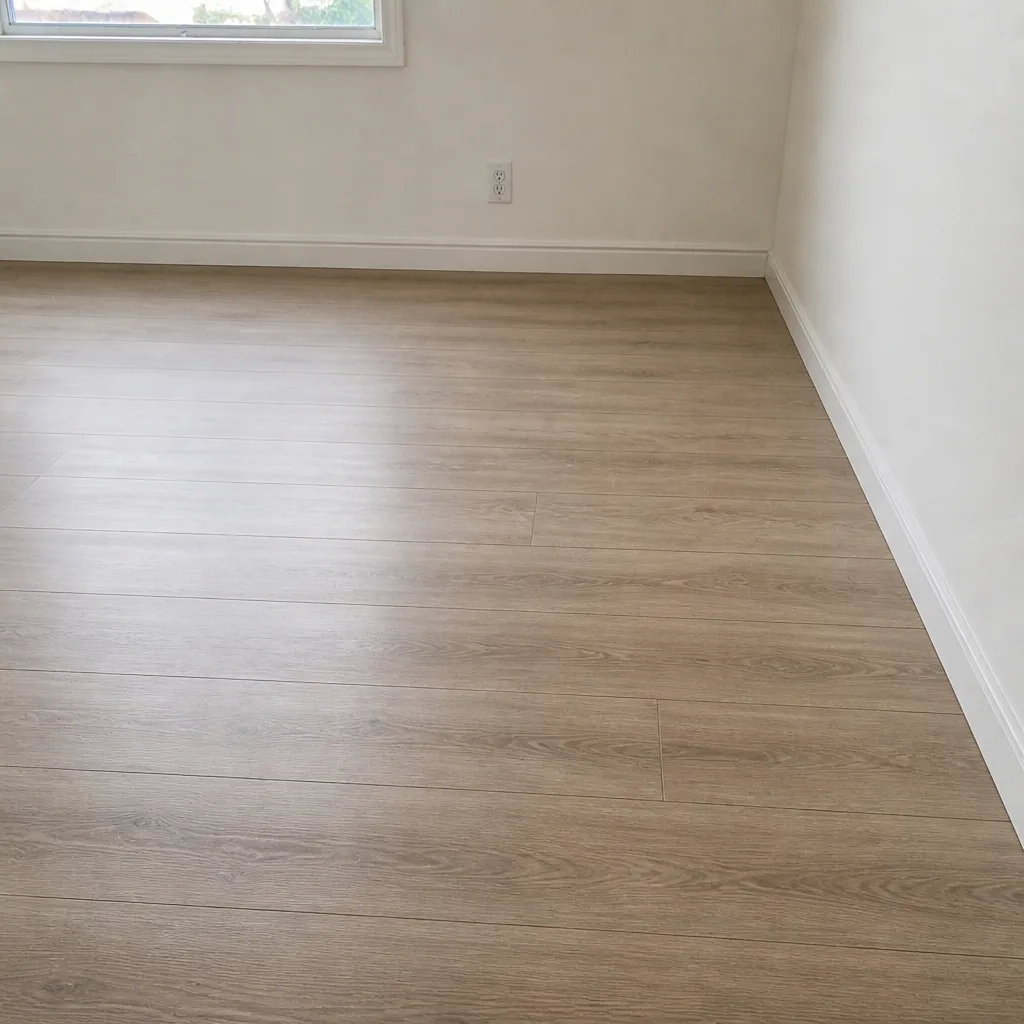 After
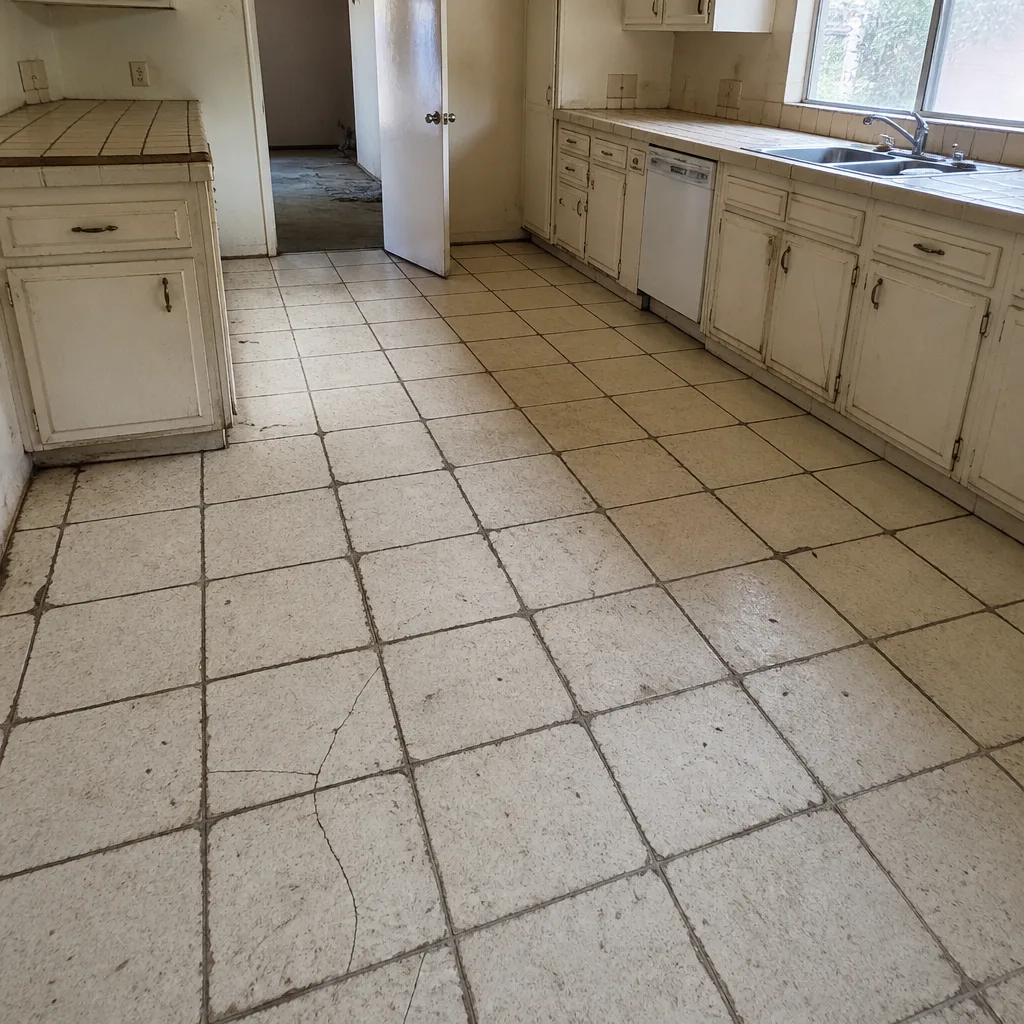 Before
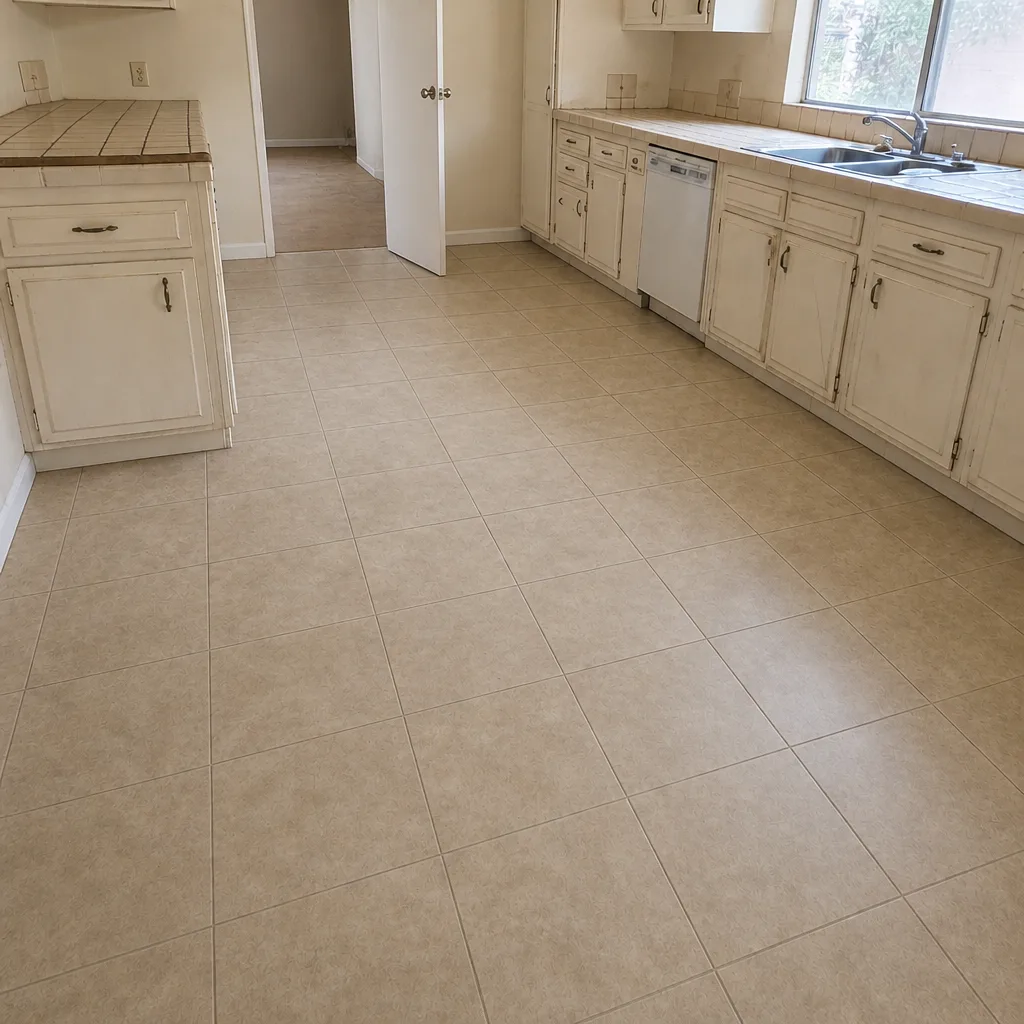 After
When to Call a Professional
Some jobs are DIY-able. Most aren’t. Call a professional when the existing floor is glued or set in thinset, when the subfloor shows damage, when the room is large or has tricky transitions, when the floor is going over a concrete slab, or when it’s your first floor and you don’t want to learn on it. Tile and hardwood especially involve tools, patience, and layout decisions that go wrong fast. And if you’re refinishing hardwood, that’s a job for trained hands: sanding and finishing require careful control of dust, finish application, and cure conditions, and mistakes aren’t easily walked back.
Spring Valley Floors offers free estimates in Spring Valley. Call (833) 734-5027 to book a measure and get a written price. We answer 24/7, with fast dispatch from 7am to 7pm, Sunday through Friday. Our technicians have up to 8 years of experience, and we walk you through the estimate line by line so nothing on it surprises you later.
Frequently Asked Questions
Most Spring Valley installations run between $4 and $12 per square foot all-in for carpet and luxury vinyl, $8 to $18 for tile, and $12 to $25 for hardwood, with hardwood refinishing typically around $4 to $9 per square foot. Those ranges include material, labor, prep, and trim, not just the floor itself. Call (833) 734-5027 for an exact quote. Estimates are free.
Yes. We come out, measure the rooms, look at the existing floor and subfloor, and give you a written price at no cost. There’s no trip charge and no deposit to see a number, and the written estimate sets the final price. Call (833) 734-5027 to schedule yours.
The schedule is set at the estimate, once we’ve measured the rooms and scoped the prep. A single room and a whole home are different timelines, and the number of rooms, the floor type, and the condition of the subfloor all affect it. We confirm the install day before any work is booked. Call (833) 734-5027 to schedule a measure.
Because the material price is only one line item of the job. Tear-out, disposal, subfloor prep, transitions, and installation labor are separate costs that almost every advertised price leaves out. The full line-item breakdown in this guide shows what goes into the total so you can budget against the real number. Call (833) 734-5027 if you want your actual number in writing.
Often, yes. It depends on the thickness of the wood and its condition, which we check at the estimate visit. Refinishing typically runs $4 to $9 per square foot versus $12 to $25 for replacement, and when the floor is sound it’s the better call. Call (833) 734-5027 to book a free measure and find out which path fits your floor.
Both are built for active homes with water resistance and durability in mind, but they’re different products with different cores, wear layers, and design lines. Neither is a substitute for dealing with standing water or moisture coming up from below. The right choice depends on which room, how hard the household lives on the floor, and what look you want. Call (833) 734-5027 and we’ll walk you through both in person.
The Bottom Line
The all-in number for a Spring Valley flooring project typically runs 2 to 3 times the material price you see advertised, and the missing line items are always the same: demo, disposal, subfloor prep, and trim. Budget against the ranges in this guide, get a free in-home measure before you buy material, and compare quotes on scope, not just total. Spring Valley Floors carries nine brands, including LifeProof, COREtec, Mohawk, and Pergo, and we handle carpet, tile, and hardwood refinishing as one team. For more on the area, see our Spring Valley page. Your floor, your call. We’re here to give you the number that’s actually real.
Ready for a written price? Call (833) 734-5027 for a free estimate. We answer 24/7, with fast dispatch from 7am to 7pm, Sunday through Friday.
Written by the team at Spring Valley Floors.