
Last updated November 18, 2026
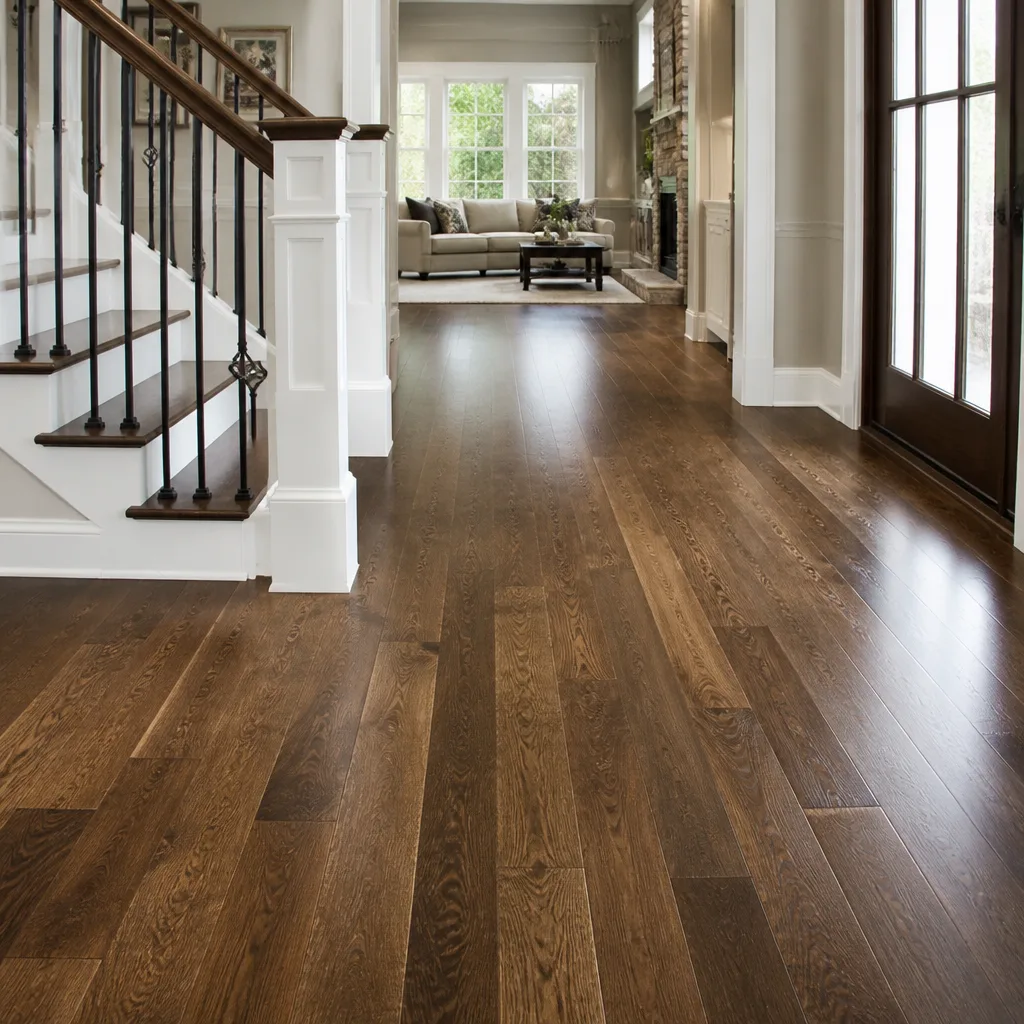 Hardwood
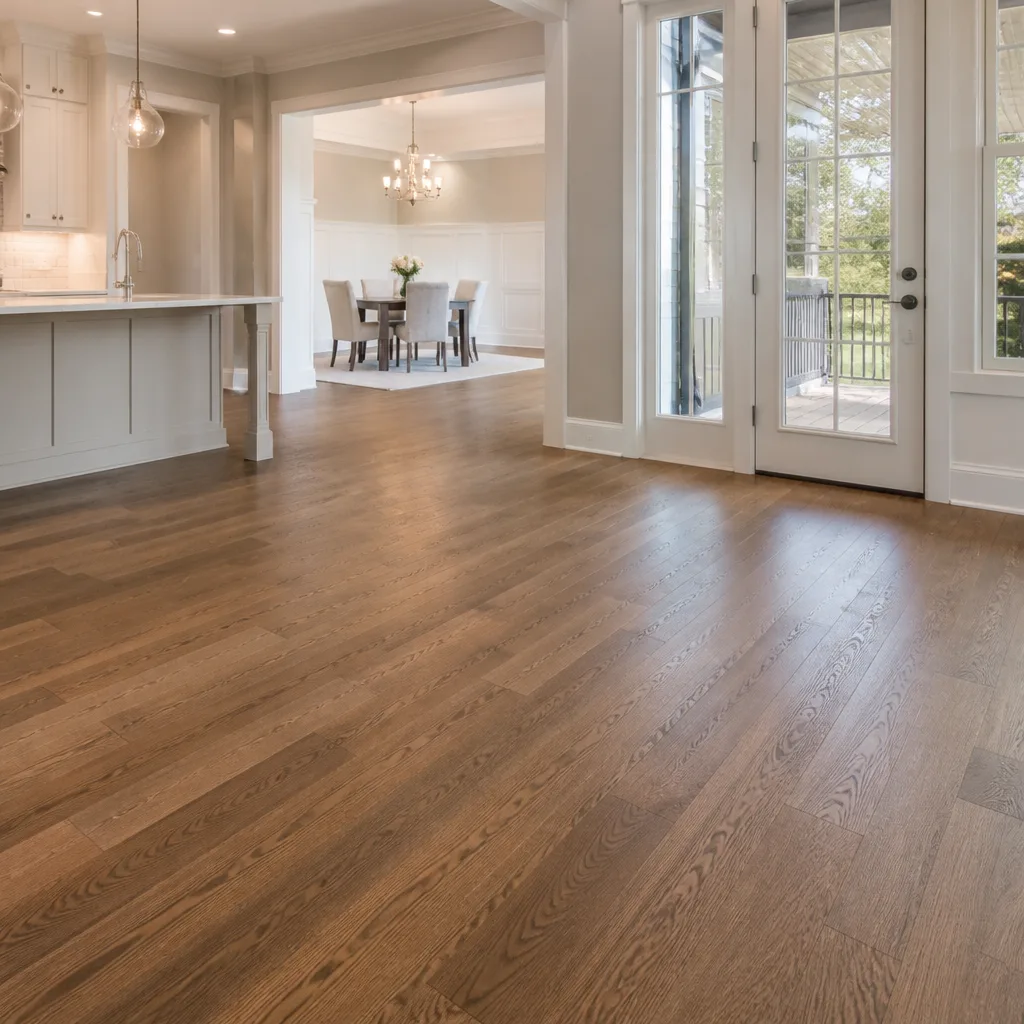 Engineered hardwood
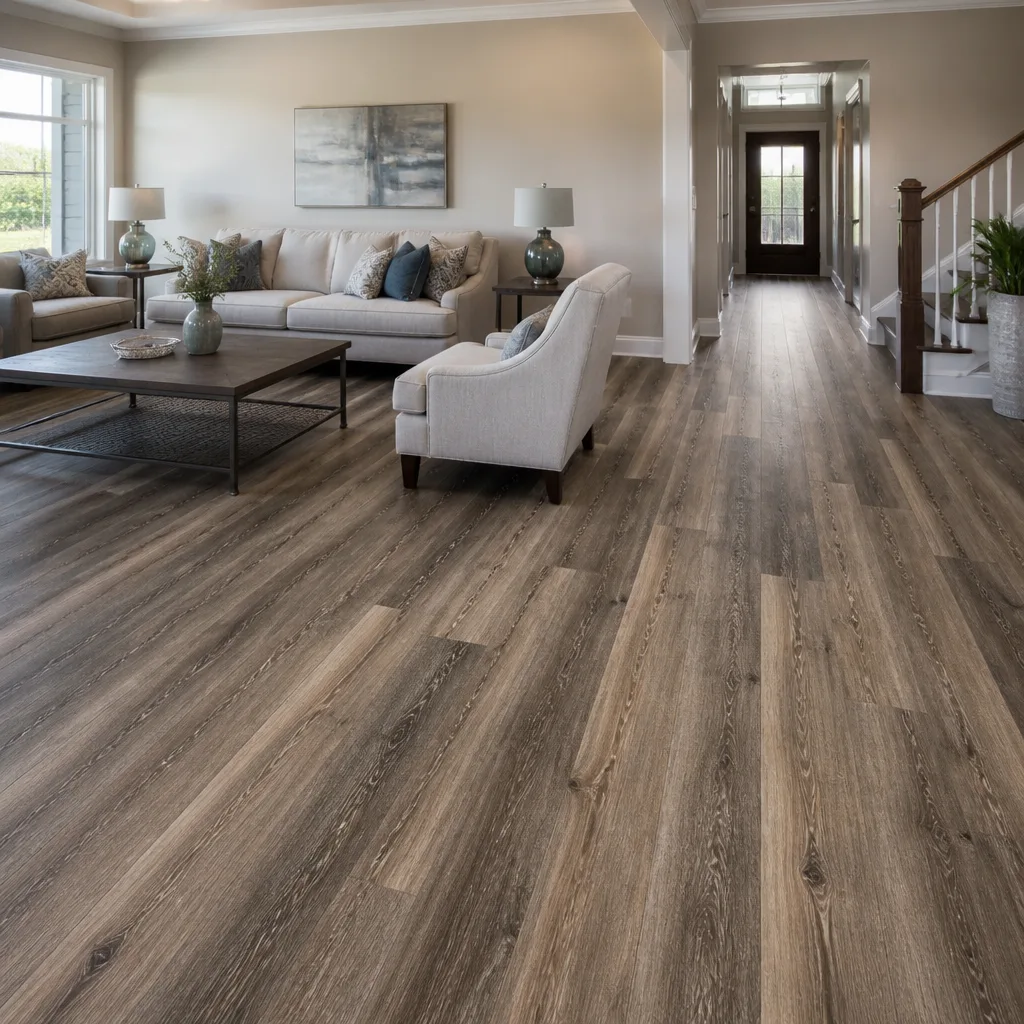 Luxury vinyl plank
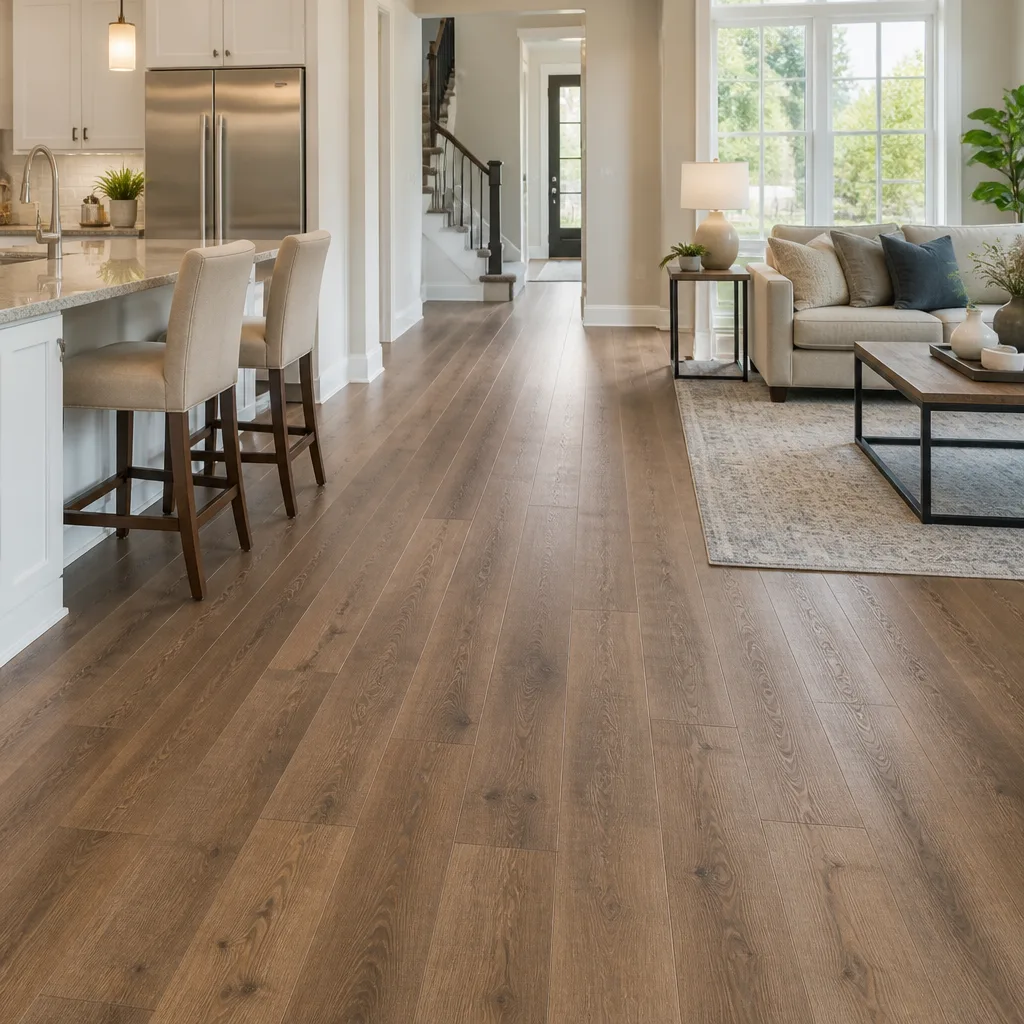 Laminate
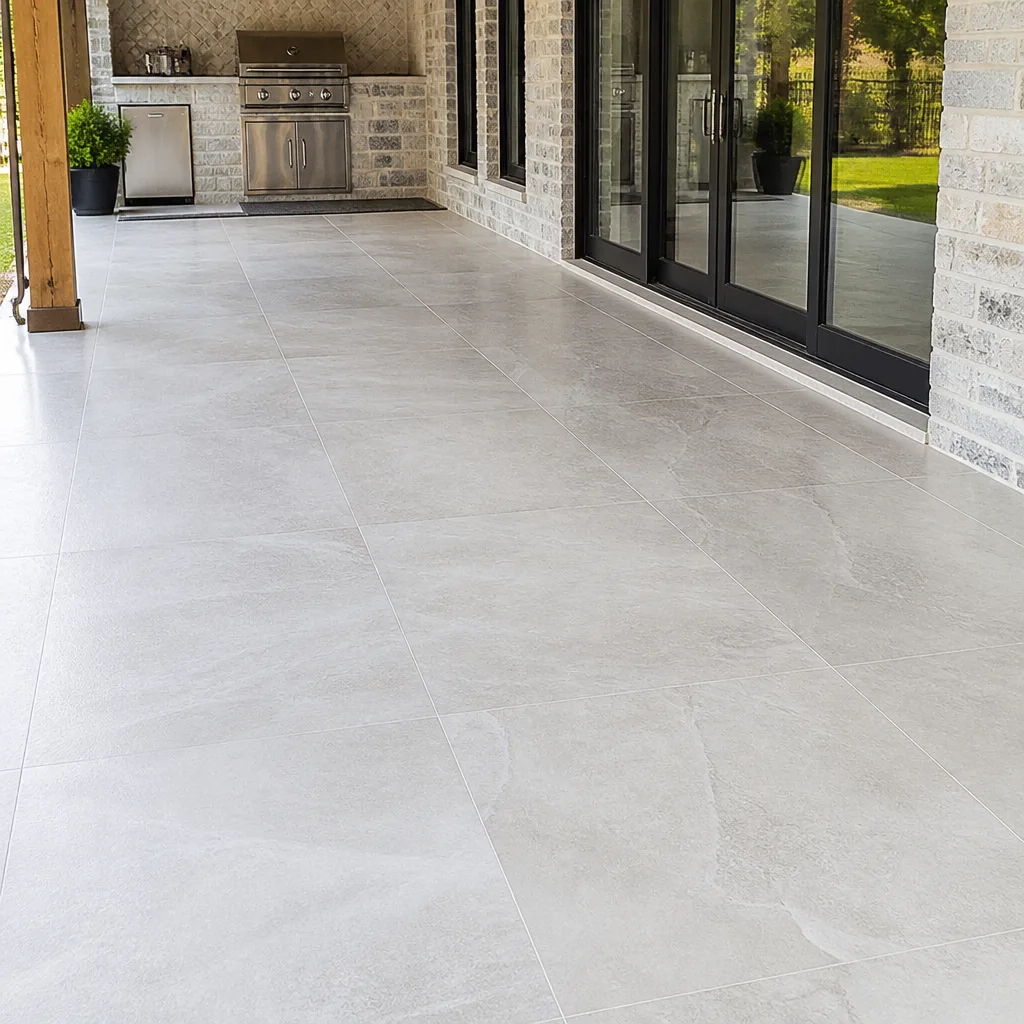 Porcelain tile
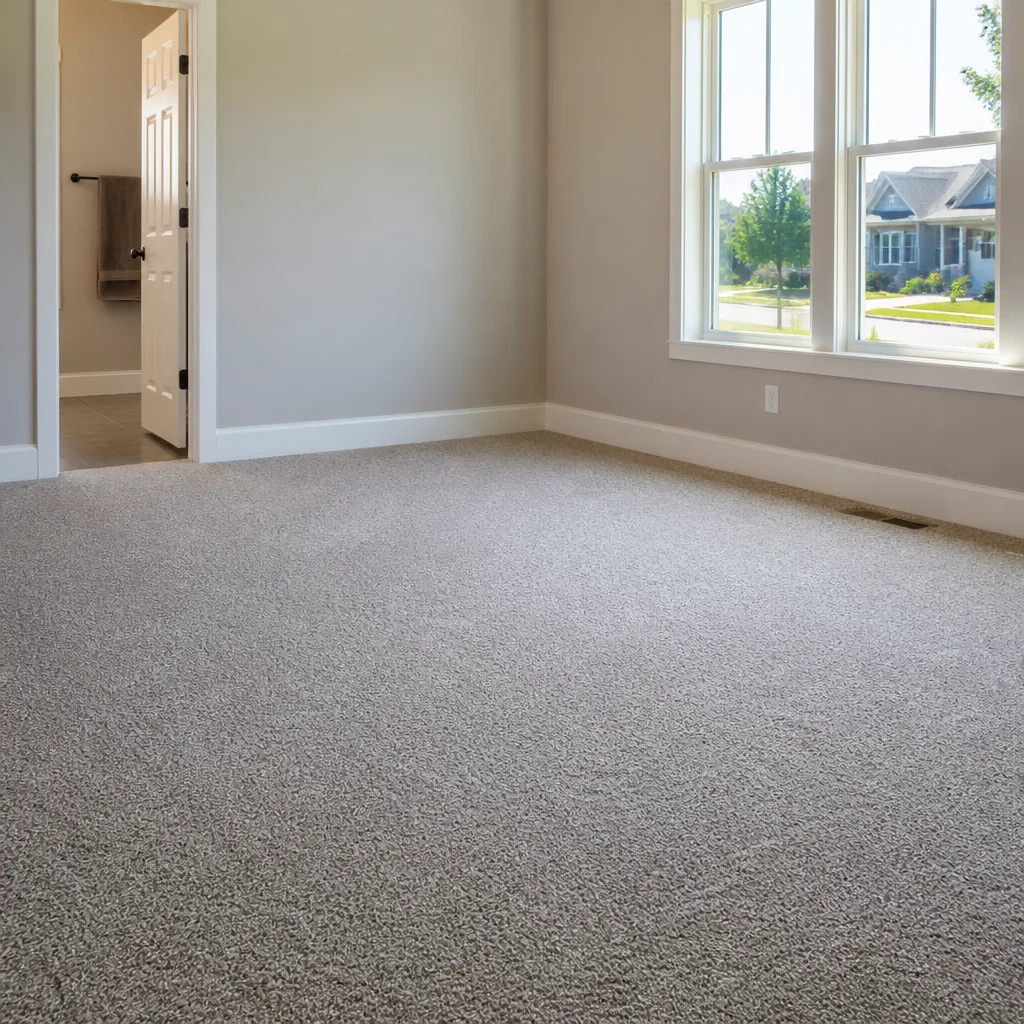 Carpet
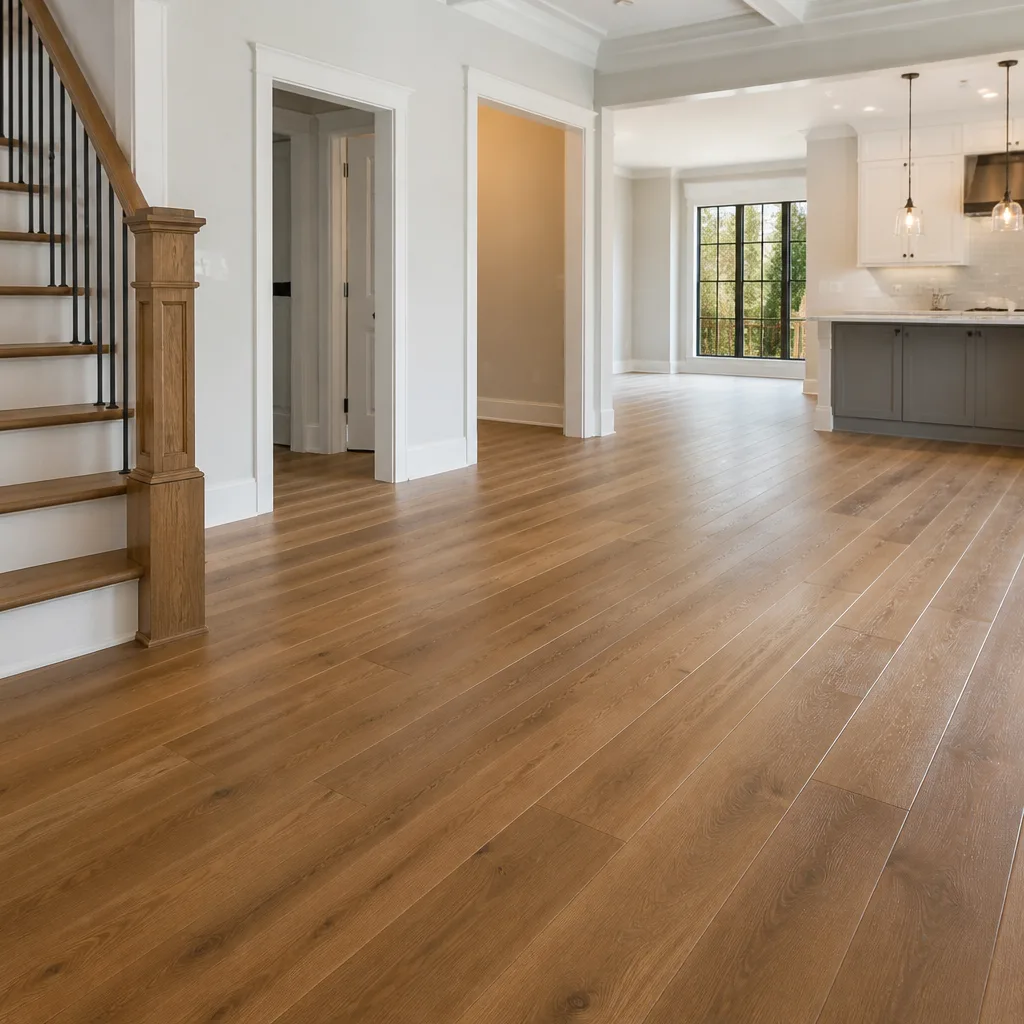 Shaw
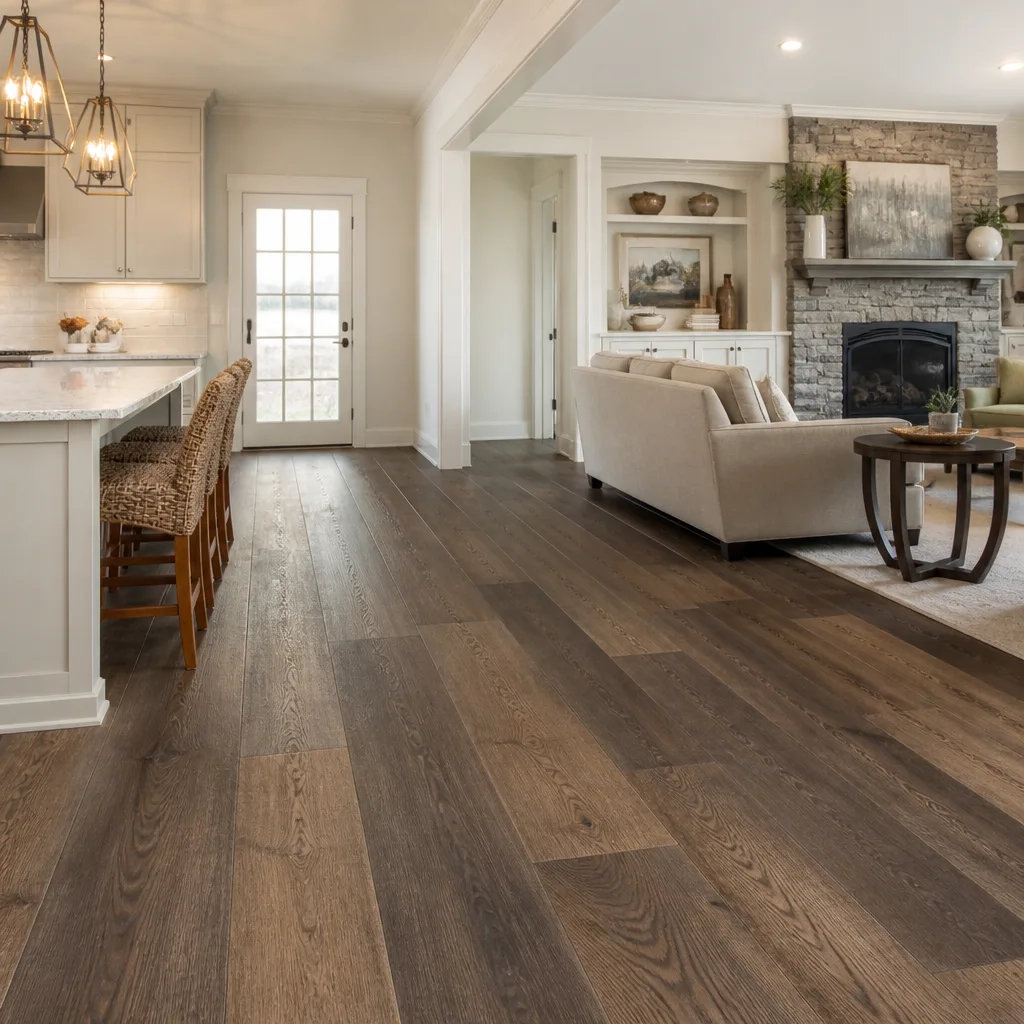 Mohawk
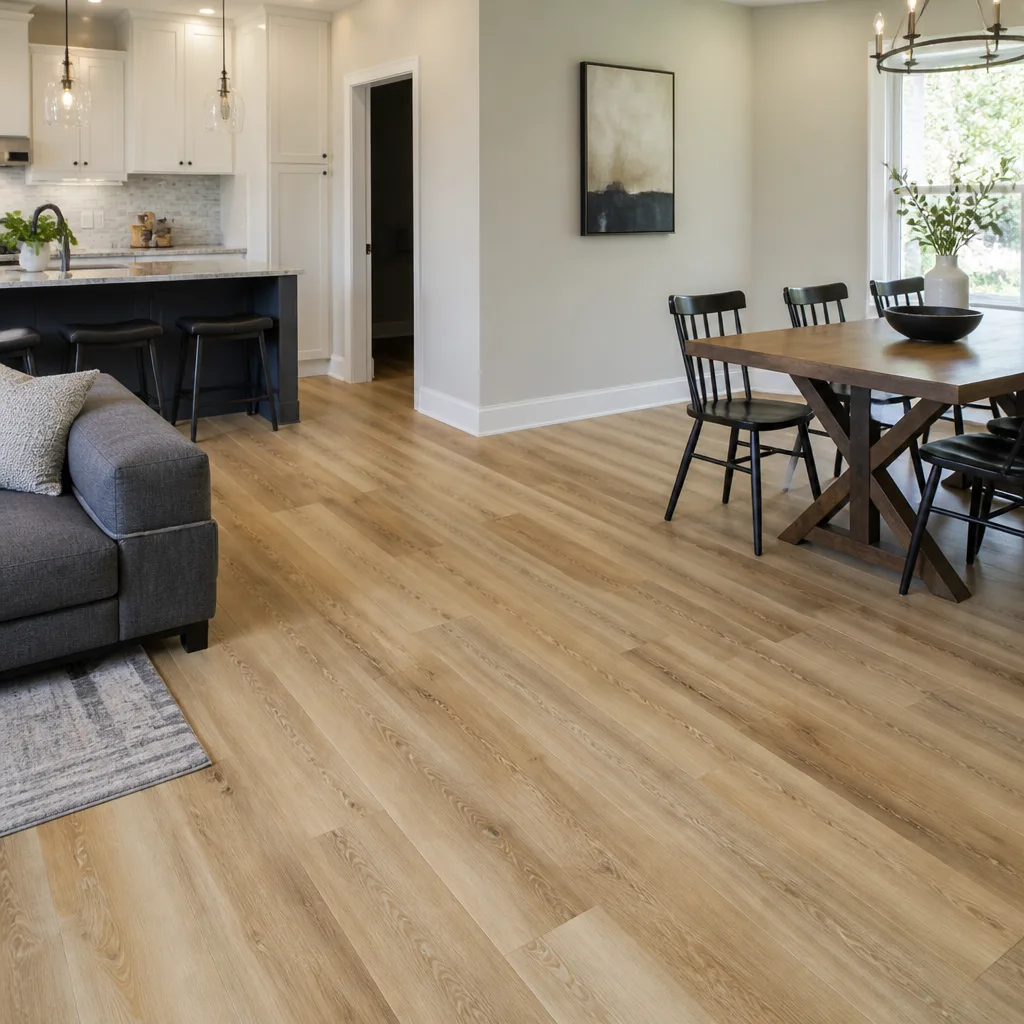 COREtec
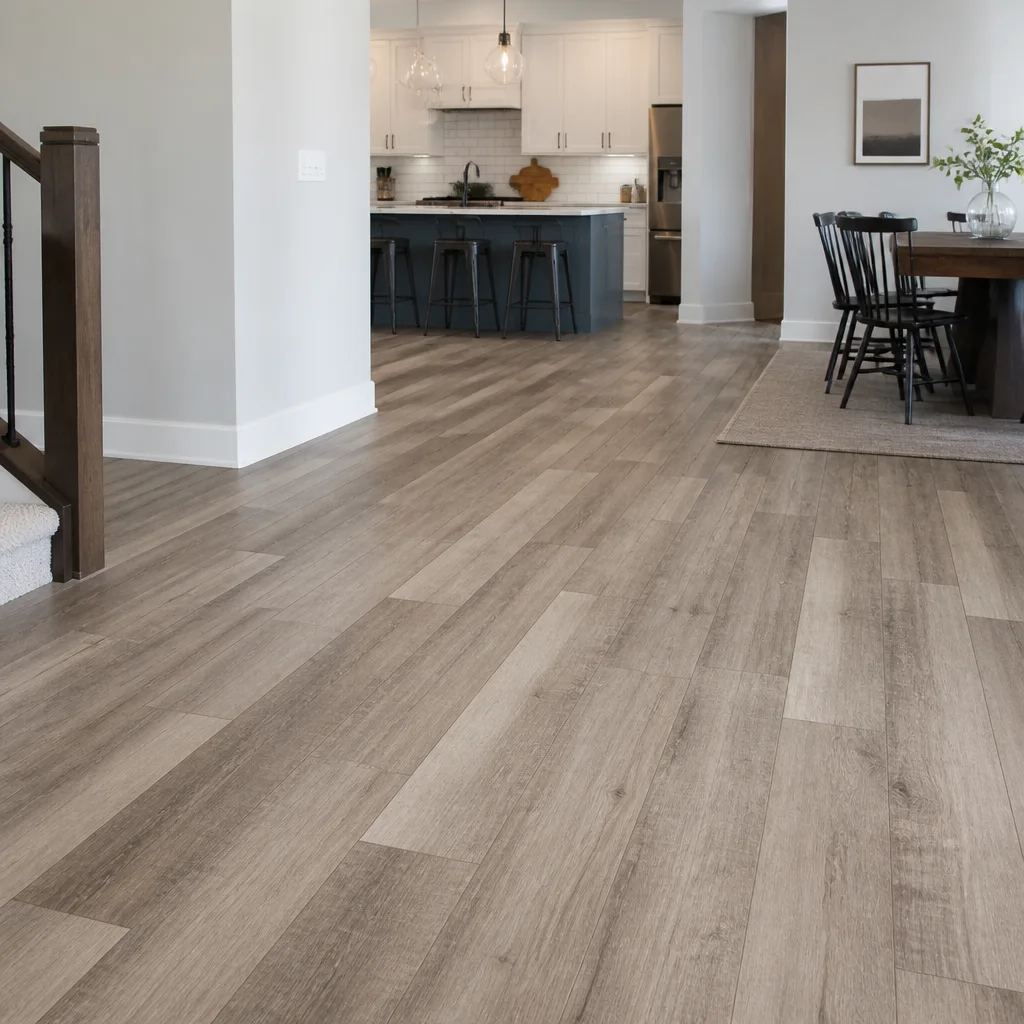 Pergo
Free in-home measure and written estimate: Shaw, Mohawk, COREtec and Pergo lines compared on your own rooms, with carpet, tile, vinyl plank, laminate and hardwood laid out side by side
Get your free estimateWhat Happens at a Free In-Home Flooring Estimate in Spring Valley
If a flooring estimate takes less than 20 minutes and nobody got down on the floor to look at the subfloor, you didn’t get an estimate. You got a quote that will change once work starts. That’s the honest truth about how this usually goes, and it’s the reason so many Spring Valley homeowners end up frustrated halfway through a project. A real estimate is a diagnostic. It measures, it checks moisture, it studies how the rooms connect, and it asks what your household actually does on those floors. By the end of this guide you’ll know exactly what should happen at a free in-home flooring estimate, what to look for, what to ask, and how to compare two quotes that aren’t really quoting the same job.
Quick Answer
A proper free in-home flooring estimate in Spring Valley takes roughly 45 to 90 minutes and involves far more than measuring square footage. The estimator measures room dimensions, transitions, and waste factor, checks subfloor levelness, tests for moisture, discusses how your household lives on the floor, and then leaves you with a written scope of work and a price. If any of those pieces are missing, the estimate isn’t finished.
Styles & brands we work with
- Hardwood
- Engineered hardwood
- Luxury vinyl plank
- Laminate
- Porcelain tile
- Carpet
- Shaw
- Mohawk
- COREtec
- Pergo
Table of Contents
- Why a 20-Minute Estimate Is a Red Flag
- What a Thorough Estimator Actually Measures
- Why Moisture Testing Matters in Spring Valley, Even in the Desert
- How to Compare Estimates That Quote Different Scopes
- Questions to Ask During the Visit
- Subfloor Prep: Who Owns It, Who Disclaims It
- What a Written Estimate Should Include
- Matching Product to Home, Not to a Sales Goal
Why a 20-Minute Estimate Is a Red Flag
Flooring is one of the few home improvement categories where the measurement phase is not a formality. It’s where the project either gets set up properly or quietly goes sideways. In our experience, the fastest estimates are the ones that cause the most change orders later, because the estimator who never got on the floor never found the things that force a change.
Spring Valley homes sit on a range of subfloor conditions. Some have concrete slabs poured decades ago. Some have wood subfloors over crawlspace. Some have old flooring layers that have to come up before new material goes down. An estimator walking through with a tape measure and a smile can’t tell the difference between those situations without getting down and looking. That’s the whole point of the visit.
What a rushed estimator skips
- Transition measurements at doorways and thresholds, where flooring profile and height matter
- Subfloor levelness checks on long runs, which determine how much prep is actually needed
- Pattern matching on tile and patterned carpet, which changes material quantity
- Moisture testing on concrete slabs
- A conversation about how the household actually uses each room
None of these are optional details. They’re the difference between a price you can trust and a price that gets revised upward once the crew shows up. A proper free in-home flooring estimate in Spring Valley treats each of these as a required step, not a bonus.
If you’re starting to think about carpet, tile, or hardwood refinishing at the same time, it also helps to know which service pages cover what. Our Spring Valley Floors overview lays out the full picture, and our carpet installation guide goes deeper on what a room refresh typically involves.
What a Thorough Estimator Actually Measures
Square footage is the least interesting number a good estimator brings back. What matters is everything around it, because the material you buy is only part of what the job costs. The rest lives in the details that don’t show up on a simple area calculation.
The details that shape your price
- Room dimensions and shape. Odd angles, offsets, closets, and hallway jogs all affect how material gets laid out.
- Transitions. Every doorway between rooms needs a threshold or transition strip, and the height of the new floor has to meet the height of the old floor at those points.
- Pattern matching. Tile with a strong directional pattern and carpet with a visible repeat both consume more material when the layout requires matching.
- Waste factor. Standard practice is to add a percentage above measured square footage to account for cuts, seams, and pattern matching. That percentage differs by material and layout, and the estimate should say what it is.
- Subfloor levelness. A floor that’s out of level or has high spots will need prep before anything gets installed. That’s a real cost and it belongs in the written scope.
- Stairs, risers, and landings. Easy to overlook in a walkthrough, expensive to add later.
- Furniture and access. Whether rooms need to be emptied before the crew arrives affects the schedule and sometimes the scope.
When these measurements are all written down at the free estimate visit, the price you get is the price you can plan around. Spring Valley has a wide variety of floor plans, from single-story ranch homes to two-story builds with stairs and landings, and the estimator needs to see how your specific layout fits the material you’re considering.
Why Moisture Testing Matters in Spring Valley, Even in the Desert
This is the piece most homeowners don’t expect, and it’s the piece that causes the most expensive problems when it’s skipped. Desert climates don’t mean desert-dry slabs. Concrete is porous. Moisture moves through it from the soil underneath, and it can show up at the surface of a slab that looks completely dry to the touch. A floor installed over a slab with too much moisture coming through can fail in ways that aren’t obvious for months.
Spring Valley’s climate is hot and dry most of the year, but the soil under the slab and the way the home is graded still determine how much moisture moves up. Homes that sit on slabs poured over certain soil types, or that have had landscape irrigation installed nearby, can see more moisture transmission than the neighborhood average. An estimator who doesn’t test for it is guessing.
What moisture testing involves at the estimate
- The estimator identifies which areas of the home are on a concrete slab versus a wood subfloor.
- On slabs, a moisture reading is taken using the appropriate test method for that floor type.
- The reading is compared against the flooring manufacturer’s requirements for the product being considered.
- If the reading is high, the estimate includes the moisture mitigation step the product instructions call for.
That mitigation step is not a sales add-on. It’s what makes the floor hold up. Products like Karndean and Armstrong each set their own requirements in the installation instructions, and those requirements are what we hold the estimate to. If a product isn’t a fit for a slab with higher moisture, that’s important information to have before you commit, not after the material is delivered.
For a deeper look at how this plays out by neighborhood, our Spring Valley page covers the local housing mix and what tends to come up in different parts of town.
How to Compare Estimates That Quote Different Scopes
This is the most common problem homeowners bring to us when they’re thinking about a second opinion. Two estimates come in, one is several thousand dollars cheaper, and it feels like an obvious choice. But cheaper almost always means a different scope. The question isn’t which number is lower. The question is which number is quoting the same job.
The comparison checklist
- Same material, same grade. Confirm both estimates quote the exact product line, color, and grade. Brand names alone aren’t enough. Mannington alone covers dozens of product lines with very different price points.
- Same prep scope. Does either estimate include subfloor prep, leveling, or moisture mitigation? If one includes it and the other doesn’t, they aren’t comparable.
- Same removal and disposal. Is old flooring removal and haul-away included? If not, add it to the price you’re comparing.
- Same trim and transition treatment. Baseboards, thresholds, and other trim work should be listed in both scopes or in neither.
- Same waste factor. A lower waste factor may look cheaper, but it can mean you run short and have to order more material mid-install.
- Same schedule scope. Is the quoted price for the full job, or a phase of it?
Once you line the estimates up side by side with those six items checked, the comparison stops being about price and starts being about which project you’re actually buying. In our experience, the gap between two quotes shrinks sharply once the scopes are matched. What looked like a discount turns out to be a missing prep step or a different product line.
Questions to Ask During the Visit
The estimate visit is a two-way conversation. You’re not just being measured. You’re learning how the company thinks, how it plans, and whether the person across from you is going to own the harder questions. The best questions you can ask are the ones that reveal that.
Questions worth asking out loud
- “Will you test for moisture on the slab, and what happens if the reading is high?” A clear answer means they’ve handled it before. A vague one means they don’t want to talk about it.
- “What’s the waste factor on this estimate, and why?” This tells you whether the estimator actually thought about layout and cuts, or just multiplied length by width.
- “If the subfloor turns out worse than it looks, how does the price change?” The right answer is that it was already accounted for. The wrong answer is “we’ll see.”
- “Who does the subfloor prep, and is it in this scope or a separate quote?” This question surfaces more hidden costs than any other.
- “What happens if the material is delayed?” You want to know the answer before you schedule your install.
- “Will the same team do the measure and the install, or is prep handed off?” Coordination risk goes up when trades change hands mid-project.
- “Can I see the written estimate with the product line, quantity, and prep scope all itemized?” Verbal estimates aren’t estimates. They’re conversations.
Ask these and you’ll learn more about the company in 15 minutes than any brochure will tell you. The answers should be specific, and the estimator should look glad you asked. If they get defensive, that’s your answer too.
Subfloor Prep: Who Owns It, Who Disclaims It
Subfloor prep is the piece that separates two very different businesses. One is selling you material and installation. The other is selling you a floor that lasts. The distinction comes down to whether the company owns the prep work as part of the job, or disclaims it in fine print.
Some flooring quotes include a line that says something like “subfloor not included” or “prep priced separately pending inspection.” That’s not necessarily dishonest, but it does mean the number you’re comparing against another quote might not be the same job. If the second quote includes prep and the first doesn’t, you’re comparing one number that’s real and one that isn’t.
What subfloor prep actually covers
- Leveling. Any low spots or humps in the subfloor that would cause the finished floor to rock or wear unevenly.
- Moisture mitigation. Where a slab reading is high, the layer that keeps moisture from reaching your new floor.
- Patch and repair. Filling holes, cracks, or gaps that would telegraph through the new material.
- Removal of existing flooring. Some substrates require complete removal before new material goes down, not just a layer over the top.
The right time to talk through all of that is at the free estimate, not the morning the crew arrives. When prep is in the written scope, the price is stable. When it’s a disclaimer, the price is a starting point. Spring Valley homes are no exception to this, and a good estimator will walk the subfloor with you and tell you what they’re seeing before any paperwork gets signed.
For hardwood refinishing in particular, the condition of the existing floor is what determines what’s possible. Our team evaluates that at the estimate too, because refinishing is often the smarter move before considering full replacement, and only the visit will tell you which is realistic.
What a Written Estimate Should Include
A written estimate is the document you’ll measure the whole project against. It’s not a sales tool. It’s the record of what everyone agreed to. If it’s missing any of the following, it isn’t finished, no matter how confident the verbal conversation felt.
The parts of a complete written estimate
- Product specification. Brand, product line, color, and any grade or collection reference.
- Measured square footage and waste factor. Line-itemed separately, with the percentage stated.
- Material cost. Presented as a distinct line, not folded into installation.
- Installation labor. Itemized, and tied to the specific service being performed.
- Subfloor prep scope. Leveling, moisture mitigation, patching, and any substrate repair all listed.
- Removal and disposal. Old flooring removal and haul-away, priced.
- Trim and transition work. Baseboards, thresholds, and other trim details.
- Notes and exclusions. Anything not included should be written down explicitly.
- Schedule and next steps. When the install is booked, what the customer needs to do beforehand.
Verbal assurances like “we’ll handle that” or “it’s all covered” are worth nothing once the invoice arrives. If it’s not written down, it’s not part of the estimate. That’s a rule worth applying to every quote you collect, not just the one you end up choosing.
On tile in particular, the detail in the written estimate matters. Our tile flooring installation page walks through how pattern layout affects material and scheduling, both of which the written scope should spell out.
Matching Product to Home, Not to a Sales Goal
The estimate is also where product decisions get made, and this is where the portfolio you’re choosing from matters. A homeowner in Spring Valley with a busy household and a dog needs different material than a retiree whose floors see quiet foot traffic. The estimator should be matching product to your home, not steering you toward whatever is overstocked this month.
Through the brands we work with, we’re able to look at a broad range of materials in one visit. Shaw, Mohawk, COREtec, Pergo, LifeProof, Mannington, Armstrong, Daltile, and Karndean each cover different needs, and the conversation at the estimate should narrow the field quickly to two or three real options that fit your household and your layout.
How the conversation usually goes
- Household profile. Kids, pets, high foot traffic, or a quiet space. This frames everything else.
- Room function. Bathrooms and kitchens need water-resistant materials. Bedrooms can go softer. Living spaces balance both.
- Design intent. Karndean is the design-led choice for homeowners who want a premium look from vinyl. Daltile is the professional-grade tile source for bathrooms and kitchens. Each brand has a place.
- Aesthetic and layout constraints. Pattern direction, plank width, and tile size all interact with room shape. The estimator should point out where those combinations work well and where they don’t.
Your floor, your call. Our job at the estimate is to give you the widest, most useful set of options with enough information to make the choice yourself. Spring Valley customers we work with tend to want that straight answer, and they get it.
Common Mistakes to Avoid
- Comparing quotes without comparing scopes. A lower number that omits subfloor prep isn’t a better deal, it’s a smaller job. Ask for the written scope on every bid so you can line them up properly.
- Skipping moisture testing on slabs. Desert climate doesn’t mean dry slab. Spring Valley homes on concrete can still see moisture transmission, and a floor installed without testing can fail quietly for months.
- Accepting a verbal estimate. A conversation is not a document. If there’s no written scope, there’s no record of what was agreed, and no way to hold the number accountable later.
- Choosing material by color alone. Color matters, but so does how the material handles a household with pets, kids, or a floor that gets heavy use. The estimate is the moment to talk through that, not after delivery.
- Not asking about waste factor. A too-low waste factor looks cheaper at signing and gets more expensive at install. Ask what percentage was used and why.
- Assuming refinishing is off the table. Homeowners often jump straight to replacement when the existing hardwood just needs refinishing. It’s worth having a qualified eye look at the floor before deciding.
- Booking a project you don’t understand. If the estimate left you with more questions than answers, that’s the sign to call and talk it through before signing. Nobody should book a floor they can’t explain.
See the difference
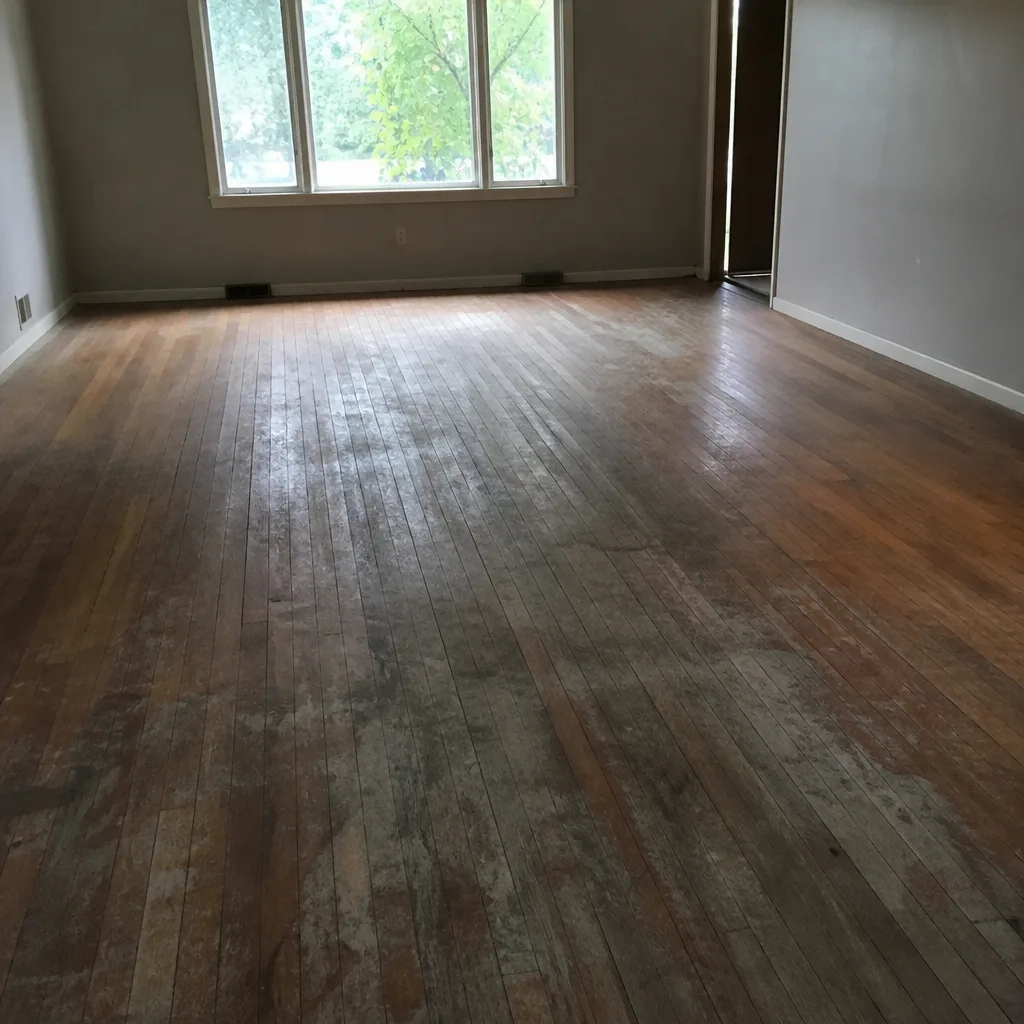 Before
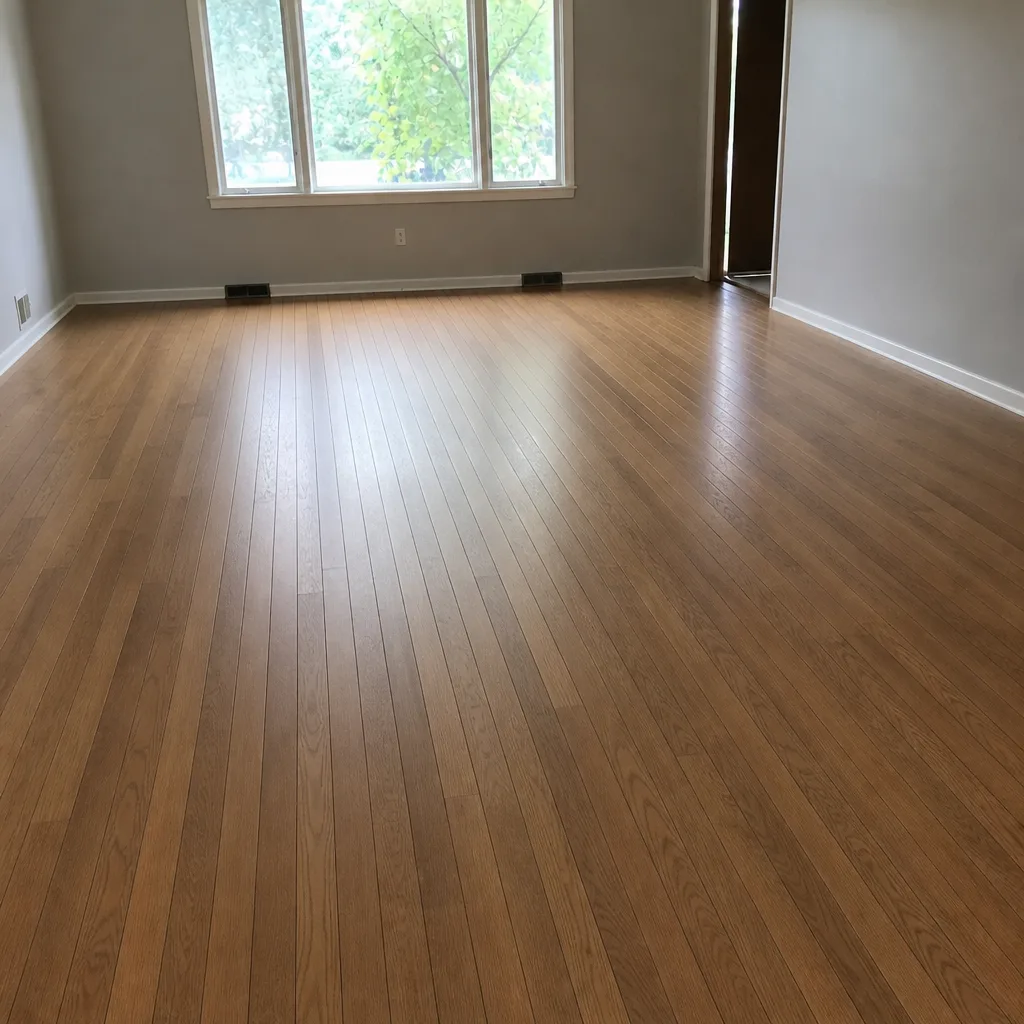 After
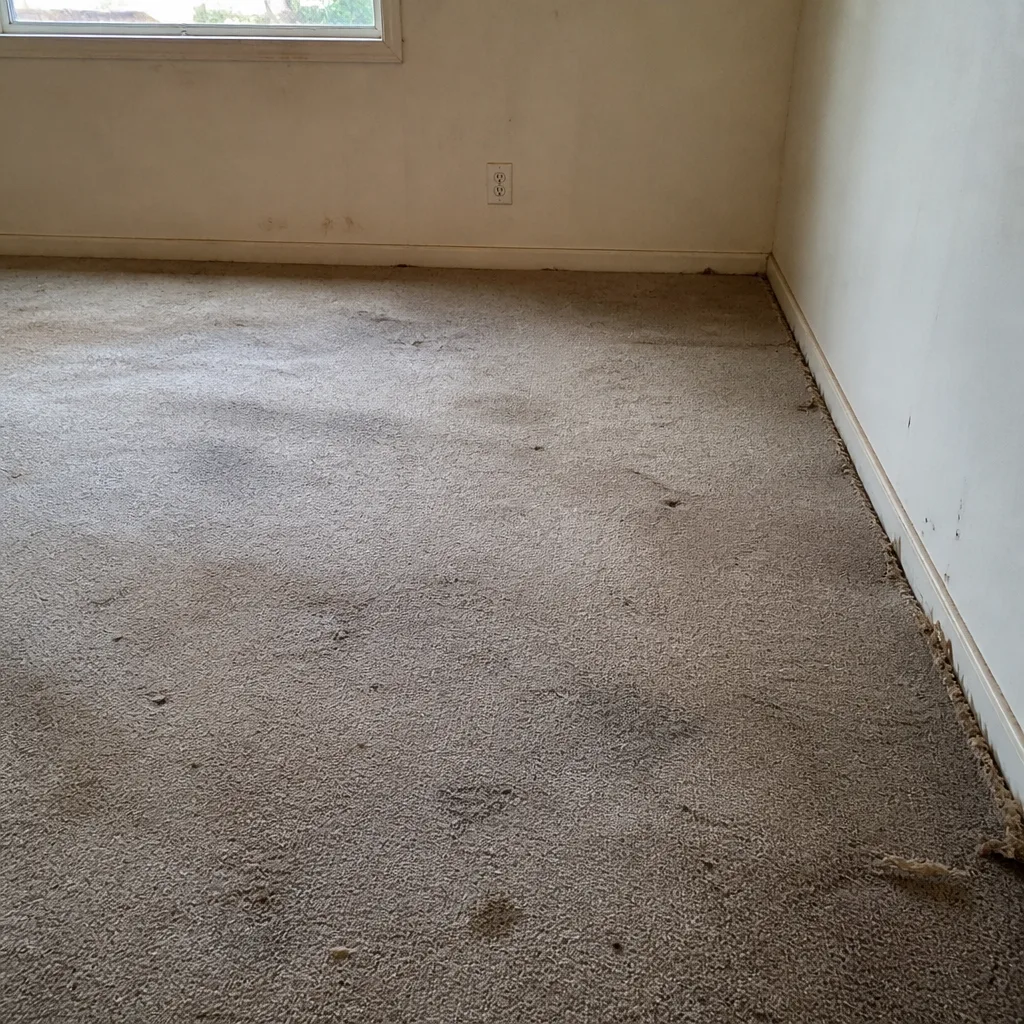 Before
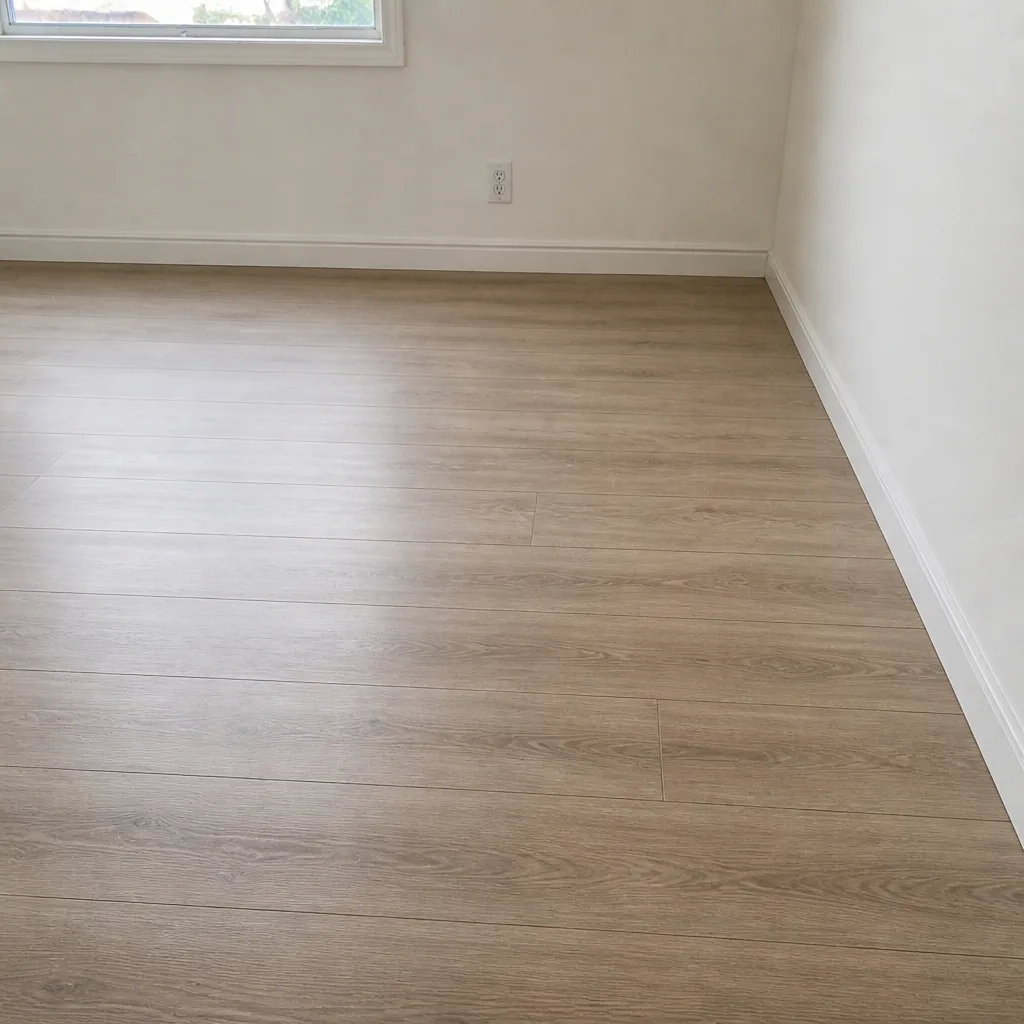 After
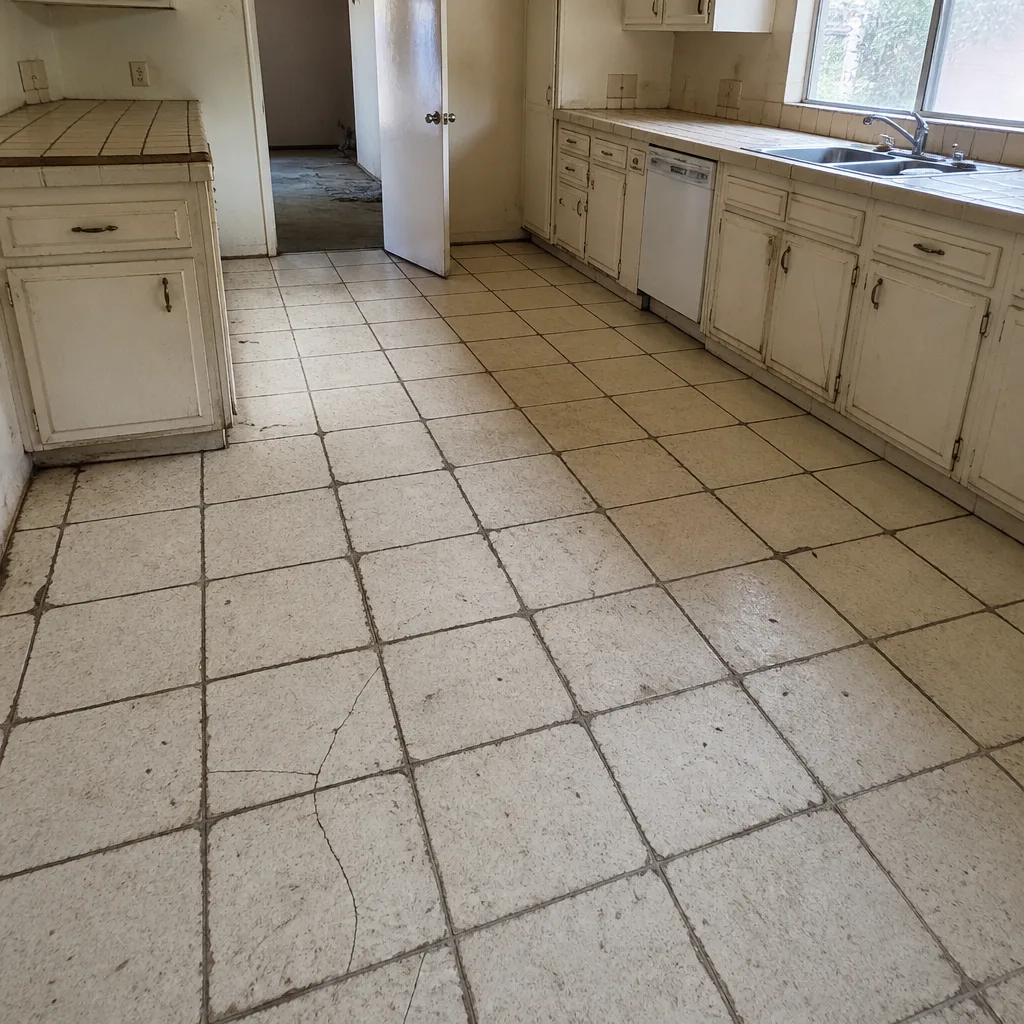 Before
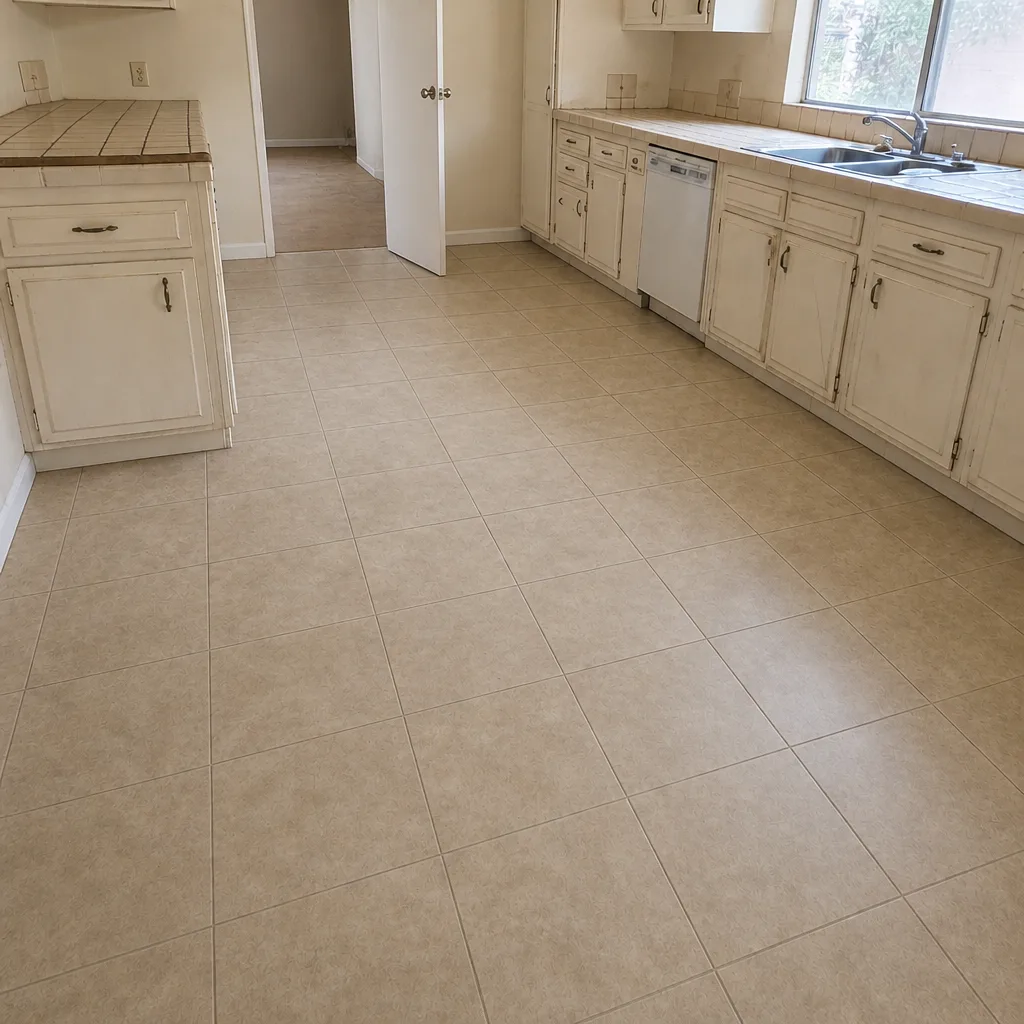 After
When to Call a Professional
Flooring is not the kind of project where a quick online measurement and a weekend of YouTube research get you a reliable outcome. The subfloor, the moisture, the transitions, and the material specified for the room all need someone with experience to look at them in person. If you’re considering a room refresh, a full-home flooring update, or refinishing an existing hardwood floor, the free in-home estimate is where any of that should start. Our technicians have up to 8 years of experience with carpet installation, tile installation, and hardwood refinishing, and the estimate visit is the moment to put that to work for your home. Spring Valley Floors offers free estimates in Spring Valley. Call (833) 734-5027 to schedule yours. We answer 24/7. Fast dispatch from 7am to 7pm, Sunday through Friday.
Frequently Asked Questions
A thorough estimate typically takes between 45 and 90 minutes. The time includes measuring rooms, checking the subfloor, testing for moisture where relevant, discussing material options, and walking through the written scope. If an estimate takes 20 minutes and nobody looked at the subfloor, ask why. Call (833) 734-5027 for a free estimate.
Yes. The in-home flooring estimate is free of charge, and the written estimate you receive is what sets the final price for the job. There’s no obligation to book. Call (833) 734-5027 to schedule yours and see what the visit turns up.
Moisture is tested wherever the home has a concrete slab and the flooring being considered requires it. Certain Spring Valley neighborhoods and certain soil conditions can see more moisture transmission than the neighborhood average, so the testing matters even in the desert. Call (833) 734-5027 with questions about your specific home.
An estimate is a written scope of work with an itemized price, based on measurements and observations from an in-person visit. A quote is often just a number provided verbally or by phone without inspection. Only a written estimate can be compared fairly with another written estimate. Call (833) 734-5027 for the full written version.
Yes. If you’re considering multiple flooring services at once, the estimate visit can cover them together. Having one company look at the full picture usually clarifies more than a series of separate calls. Call (833) 734-5027 to set up a visit that covers everything you’re thinking about.
Line up both written scopes and check six items: product line, waste factor, subfloor prep, removal and disposal, trim and transitions, and the schedule scope. If any of those are in one estimate and not the other, they aren’t the same job. Call (833) 734-5027 if you want help reading a quote you’ve already received.
The Bottom Line
A free in-home flooring estimate is the diagnostic that determines whether the floor you want is the floor your home can carry. It measures what square footage misses, tests for moisture before it becomes a problem, and gives you a written scope you can compare against any other bid. If the visit doesn’t include time on the floor, a conversation about the subfloor, and a document that itemizes the prep work, it’s not an estimate. It’s a starting number. The right visit gives you a price you can trust and options you can actually choose between. Call (833) 734-5027 to schedule your free estimate in Spring Valley. We answer 24/7. Fast dispatch from 7am to 7pm, Sunday through Friday.
Written by the team at Spring Valley Floors.