
Last updated November 18, 2026
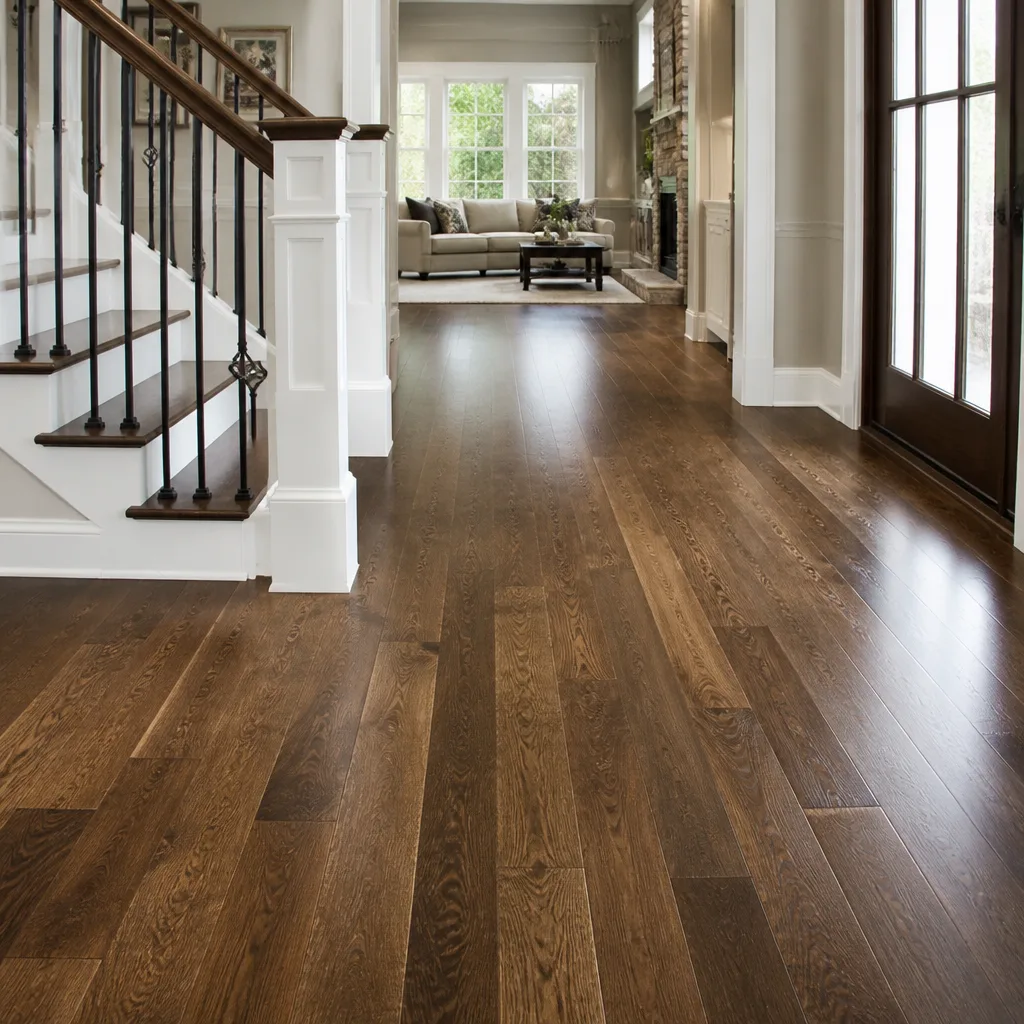 Hardwood
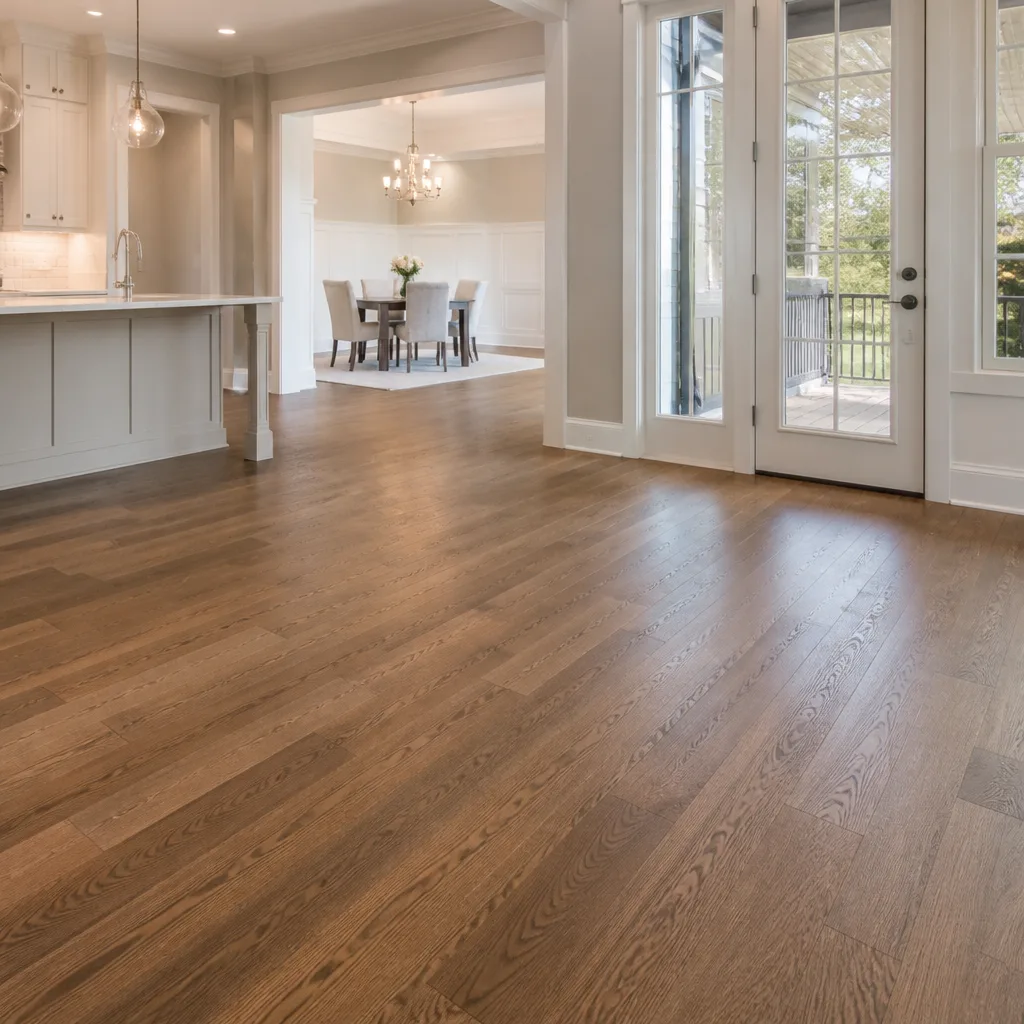 Engineered hardwood
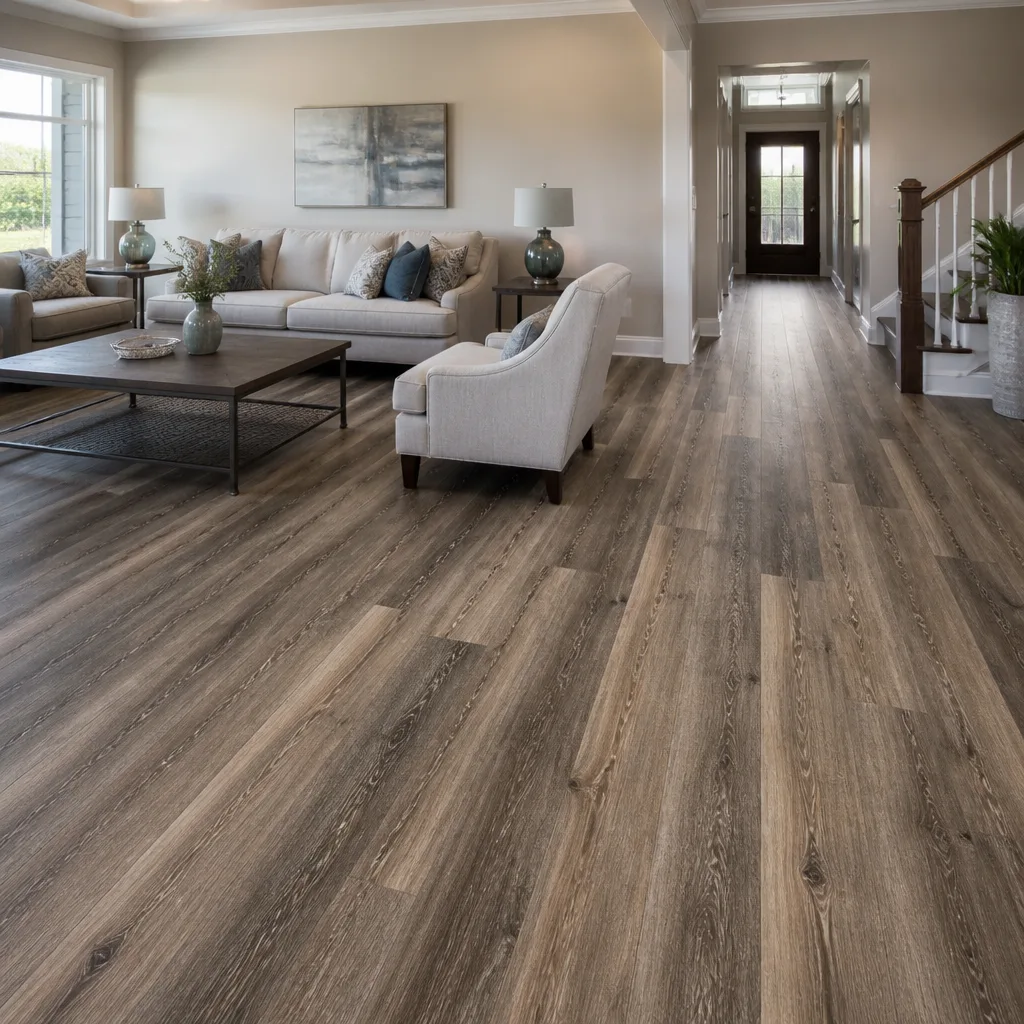 Luxury vinyl plank
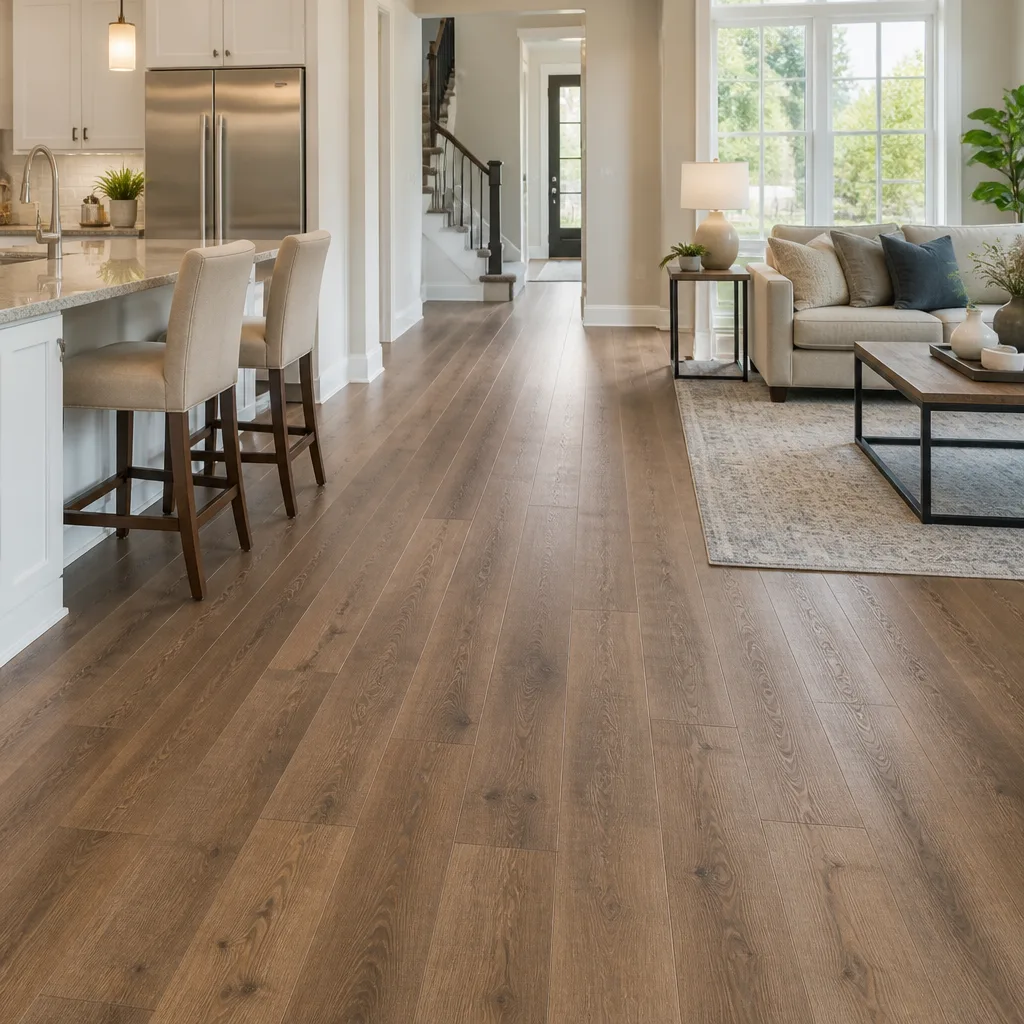 Laminate
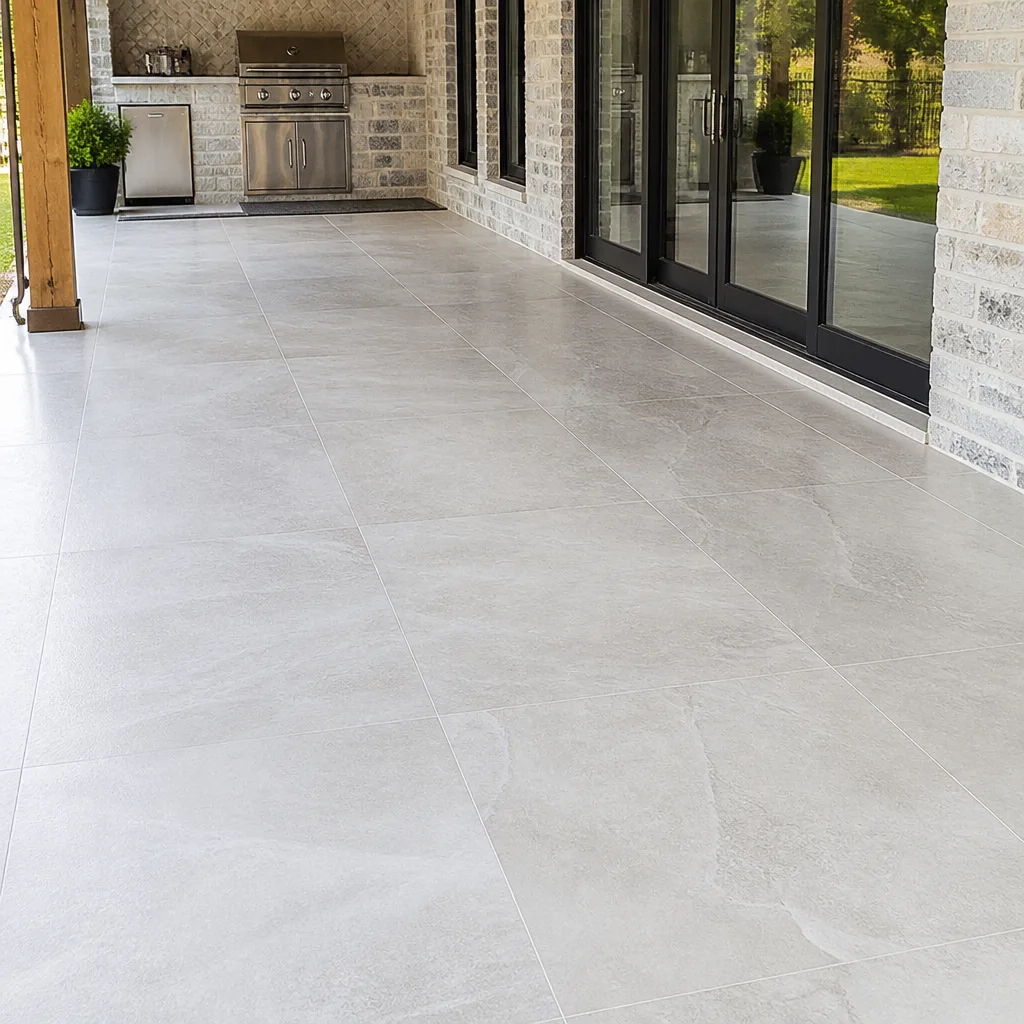 Porcelain tile
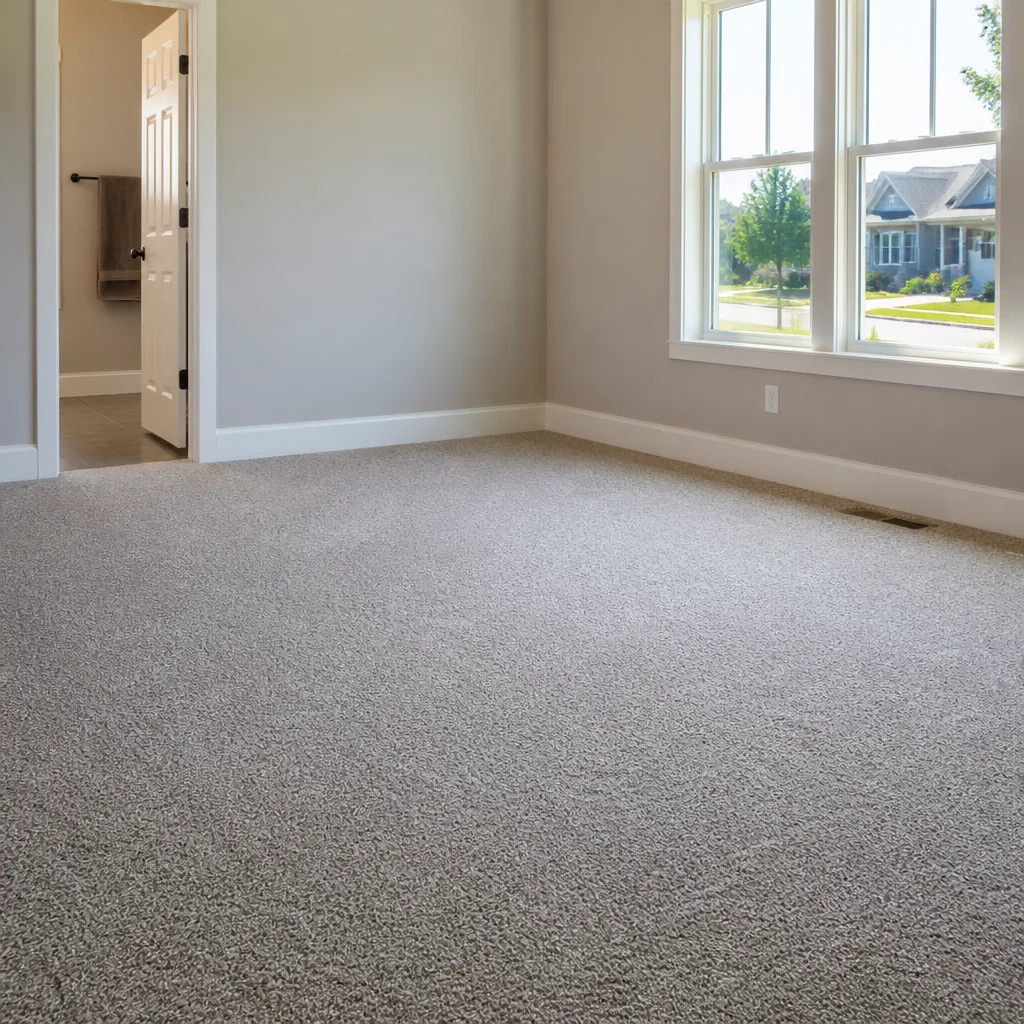 Carpet
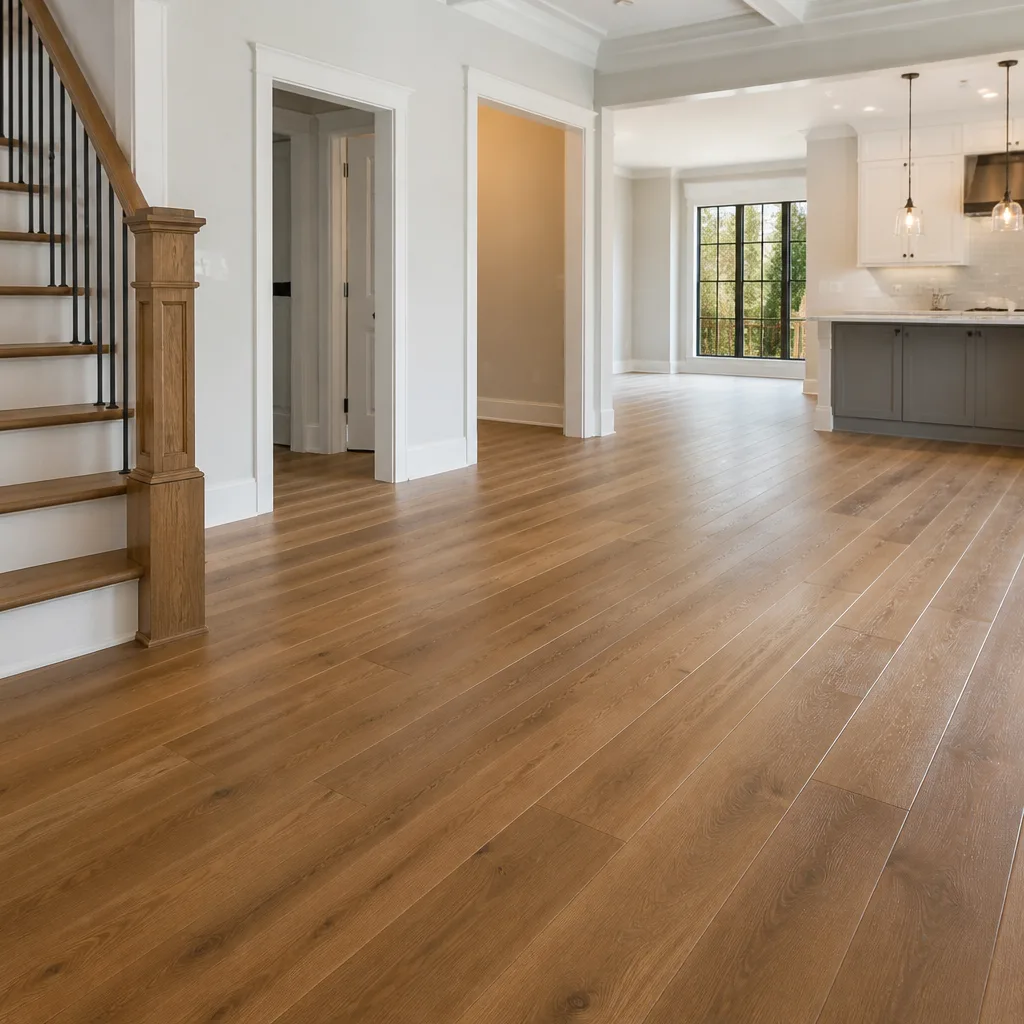 Shaw
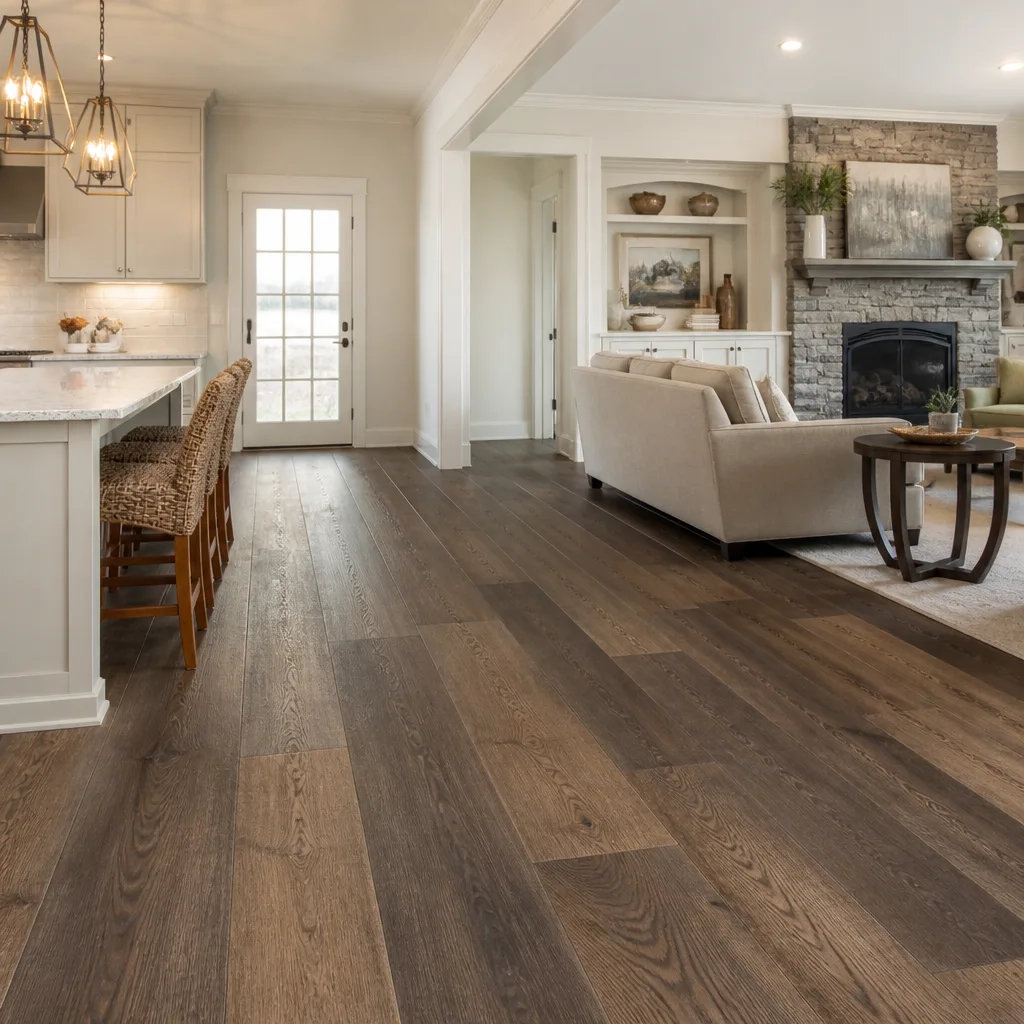 Mohawk
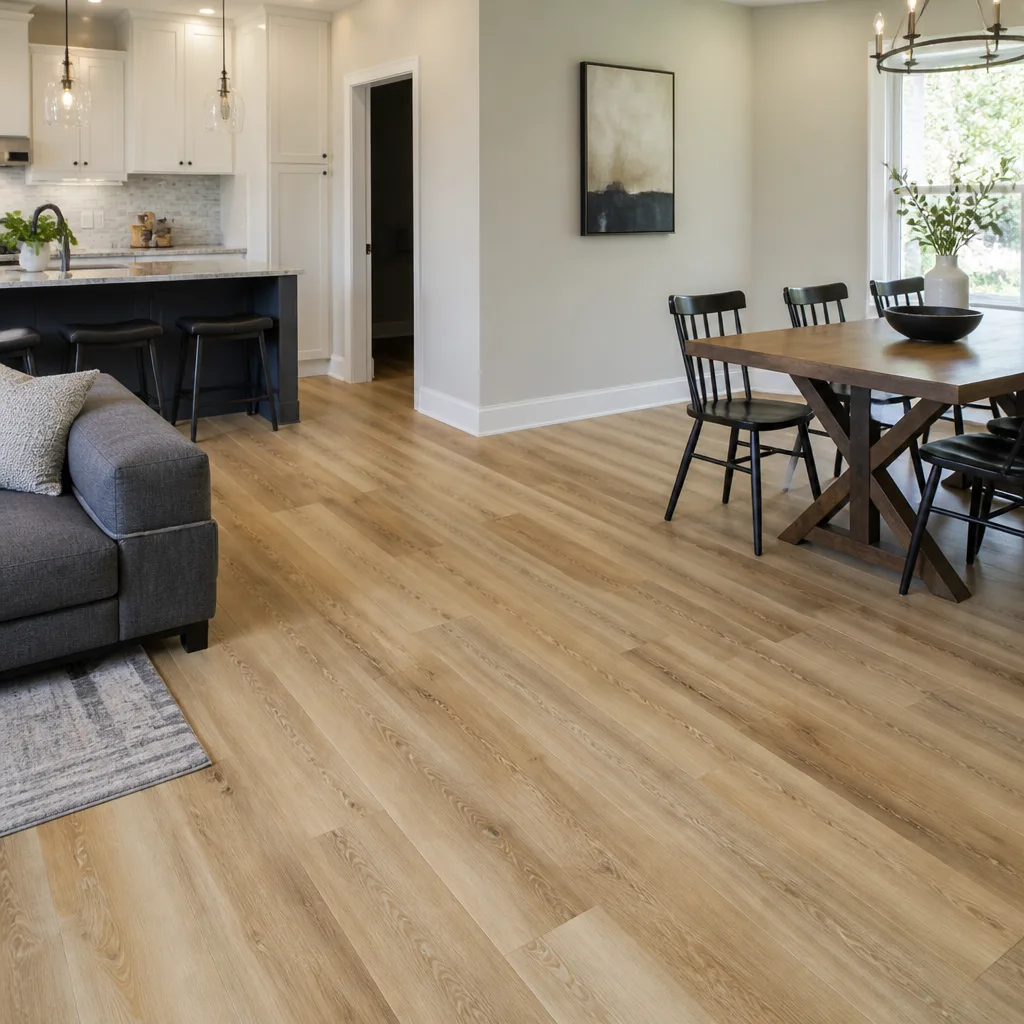 COREtec
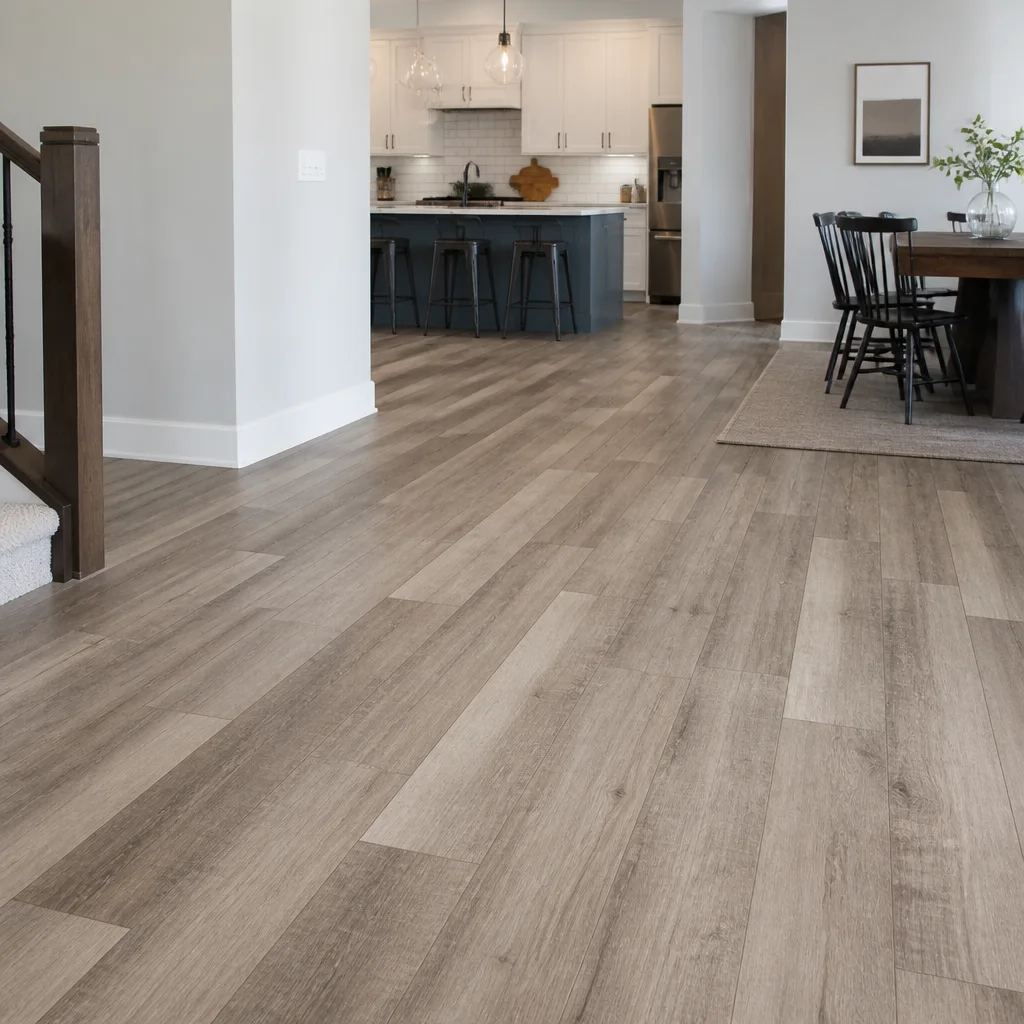 Pergo
Free in-home measure and written estimate: Shaw, Mohawk, COREtec and Pergo lines compared on your own rooms, with carpet, tile, vinyl plank, laminate and hardwood laid out side by side
Get your free estimateFix It or Start Over: Flooring Repair vs Replacement
A floor that looks fine from standing height can be closer to replacement than repair. A floor that looks destroyed from a water stain or a deep pet scratch is sometimes a one-hour fix. The difference comes down to what’s happening beneath the surface layer, not what’s visible. Most homeowners ask the repair-or-replace question too late, after they’ve already decided based on how the floor looks rather than how much life it has left. This guide gives you a clear framework based on floor type, wear layer, and the age of the installation so you can make the call with real information. At Spring Valley Floors, we walk homeowners through this same decision at the estimate visit.
Quick Answer
Repair makes sense when the damage is surface-level or isolated and the floor has meaningful life left: a few cracked tile, a lifted seam, scratches in a hardwood floor thick enough to refinish again. Replacement makes sense when the damage is widespread, the wear layer is gone, or the problem is coming from underneath through moisture or settling. The cost question isn’t repair price versus replacement price alone. It’s repair price versus the remaining lifespan you’d be protecting.
Styles & brands we work with
- Hardwood
- Engineered hardwood
- Luxury vinyl plank
- Laminate
- Porcelain tile
- Carpet
- Shaw
- Mohawk
- COREtec
- Pergo
Table of Contents
- The Framework: Remaining Lifespan, Not Damage Severity
- Per-Material Breakdown: Where Repair Crosses Into Replacement
- How to Calculate Remaining Refinish Cycles on Hardwood
- The Hidden Cost of Partial Replacement
- When a Repair Is a Band-Aid on a Subfloor Problem
- How Age of Installation Changes the Math
- Why Spring Valley Homes Age Floors Differently
- A Step-by-Step Decision Process
The Framework: Remaining Lifespan, Not Damage Severity
The repair-or-replace question is really a lifespan question. A floor has a certain amount of useful life left, and a repair is worth doing when its cost is small relative to the life it protects. Spend a modest amount to keep a floor going for years and it’s a good call. Spend the same amount to keep a floor going for a few months and you’ve just delayed a replacement you were going to pay for anyway.
Here’s the sequence we use when a homeowner asks us to look at a damaged floor in Spring Valley:
- Identify what’s actually damaged. Is it the wear surface, the core, the subfloor, or the installation itself? These carry very different repair costs.
- Estimate the floor’s remaining life. For hardwood, that means how much sandable thickness is left. For luxury vinyl, it means how much wear layer remains. For tile, it means whether the substrate is sound. For carpet, it means whether the backing and cushion are still intact.
- Price the repair against a replacement estimate. Both numbers belong in the same conversation, which is why a free written estimate on each option is the honest way to decide.
- Weigh the disruption. A repair that keeps a room out of service for days and a replacement that takes about the same time can tilt the decision toward replacement.
- Decide. If the repair protects years of usable life, do the repair. If it protects months, put the money toward the new floor.
That framework applies whether the floor is a wide-plank hardwood in the living room or a luxury vinyl plank in a busy hallway. It’s the same logic, and it’s the one Spring Valley Floors uses to give homeowners a straight answer instead of a sales pitch.
Per-Material Breakdown: Where Repair Crosses Into Replacement
Each flooring type has its own repair territory and its own replacement threshold. Here’s how we think about each one.
Hardwood
- Repair territory: surface scratches, dull finish, isolated board damage, minor gaps at seams.
- Replacement threshold: widespread cupping or crowning from moisture, boards so thin they can’t be sanded again, damage across an entire room from a leak.
- The middle case: a single bad board or a small area of water damage is often a spot-repair or a partial refinish. The whole floor doesn’t need to come up for one problem spot.
Hardwood is the material where refinishing changes the math the most. For more on that, see our Spring Valley Floors range of services, which includes hardwood refinishing as a full discipline.
Luxury Vinyl Plank and Tile
- Repair territory: a few damaged planks in a floating installation, a lifted edge, a single cracked tile in a glue-down floor.
- Replacement threshold: wear layer worn through in traffic paths, damage across multiple rooms, moisture under the floor causing lifting or gapping.
- The middle case: a glued-down vinyl floor with isolated plank damage can be patched, but color match is the wildcard. More on that below.
Luxury vinyl is where active households ask us the most questions. If you’ve got pets or kids and want to compare water-resistant options, our carpet installation page and product lines aren’t the only answer; COREtec and LifeProof are the vinyl lines we bring into those conversations most often, and we can quote both alongside a repair.
Tile
- Repair territory: one or two cracked or loose tiles, a failed grout line, a hollow-sounding tile.
- Replacement threshold: widespread cracking from a moving substrate, tiles lifting across a room, water damage in the substrate below.
- The middle case: a single cracked tile can usually be replaced if you have matching spares on hand. Without spares, matching the exact dye lot is the hard part.
If tile is your project, our tile flooring installation team handles both the repair and the full replacement, and Daltile is our most common source for matching professional-grade tile.
Carpet
- Repair territory: a pulled seam, a small stain that lifts, a stretched area that can be re-stretched, damaged padding in a small area.
- Replacement threshold: backing failure across a room, widespread stains that won’t lift, worn traffic paths, cushion that’s collapsed everywhere.
- The middle case: a well-kept carpet with one bad room can sometimes be patched from closet or spare material. A carpet with the same stain in every room is a replacement.
Carpet is our most common partial-repair request, and it’s also the material where the age of the installation matters most. A four-year-old carpet with a pulled seam is worth re-stretching. A fourteen-year-old carpet with the same seam issue is often better replaced, and the numbers usually make that clear.
How to Calculate Remaining Refinish Cycles on Hardwood
The single most useful number for a hardwood floor is how much sandable thickness it has left. Here’s the general process we walk through at the estimate visit; the detailed measurement is a job for a trained technician, not a homeowner with a tape measure.
- Look at the board edge. On an unfinished or partially worn board, the side profile shows the wear layer and the tongue. The amount of wood above the tongue is what a sander has to work with.
- Count how many times it’s been sanded. Most hardwood floors tolerate a limited number of full sandings. If a prior refinish was aggressive, the remaining budget narrows.
- Check for floor type. Solid hardwood has more refinishing room. Engineered hardwood has a wear layer that may only tolerate one or two. Some engineered products can’t be refinished at all.
- Confirm the finish type. Some finishes respond to a screen-and-recoat (a lighter process) rather than a full sand. If the finish is sound and only dull, a recoat is a lower-cost option than a full refinish.
If the wear layer has room, refinishing restores the floor without the waste and disruption of replacement. That’s why we keep refinishing as a distinct service rather than funneling every worn hardwood floor toward a new one. The thickness check at the estimate visit is what tells you whether your floor is a refinish candidate or whether replacement is the honest recommendation.
The Hidden Cost of Partial Replacement
A spot repair is often cheaper than a full replacement, but it’s not always as cheap as it looks. Three costs routinely surprise homeowners who’ve been quoted a partial fix:
- Dye lot mismatch. The single biggest hidden cost. If your floor is a few years old, the current production run of the same product may not match your existing floor in color or sheen. Tile, vinyl, and carpet are all affected. A perfect color match is impossible to promise, and the estimate visit is where we check the production reality.
- Transition strips. Partial replacements generally need a transition strip at the edge of the new section. If the original floor has no strip and you want a seamless look, the partial replacement may not get you there.
- Subfloor exposure. Tearing up part of a floor exposes the substrate. If there’s moisture, an uneven area, or a damaged underlayment, it has to be fixed before the new material goes back down. That can turn a small repair into a larger job.
The honest rule: a partial replacement is worth pricing when the damaged area is isolated and you can source matching material. If neither is true, a full replacement is often the simpler and cheaper path once you account for the hidden costs.
When a Repair Is a Band-Aid on a Subfloor Problem
Some damage is what it looks like: a scratch, a crack, a pulled seam. Other damage is symptomatic. The floor is telling you what’s happening underneath. If you repair the symptom without addressing the cause, the damage comes back.
Signs that a floor problem is really a subfloor problem:
- Tile cracking in a straight line. Cracks that follow the same path across multiple tiles usually point to movement in the substrate below.
- Cupping or crowning across a whole room on hardwood. This is almost always moisture coming up from below, not a finish issue.
- Vinyl lifting at the edges in more than one place. Often moisture under the plank or a bond failure that started with the substrate.
- A hollow sound underfoot in one area. Suggests a void or unbonded section below the tile or vinyl.
- Squeaks and movement in a limited zone. Usually a fastener or subfloor issue, not a flooring-surface problem.
When we see these at a Spring Valley estimate, we say so directly. A replacement floor over a moisture problem isn’t a fix, and it isn’t what Spring Valley Floors recommends. The honest answer is to resolve the moisture or settling issue first, then decide on the flooring.
How Age of Installation Changes the Math
The same visible damage means two different things at four years old and fourteen years old. Here’s how the math shifts as a floor ages:
- Four-year-old luxury vinyl with pet scratches. Replacement is rarely the right answer. The floor has years of usable life, a plank-level repair is often enough, and the dye lot is likely still producible.
- Fourteen-year-old luxury vinyl in the same condition. The wear layer is likely nearing its end in traffic paths. A repair on a floor that’s close to replacement is money spent to delay a bill rather than solve a problem.
- Four-year-old hardwood with surface scratches. A screen-and-recoat or a spot repair is straightforward. The refinish budget is intact and refinishing protects the remaining thickness.
- Fourteen-year-old hardwood with surface scratches. Still often a refinish, but the thickness check matters. If the floor has already been sanded more than once, that budget may be nearly spent.
- Four-year-old tile with one crack. Repair, unless the subfloor is moving.
- Fourteen-year-old tile with a crack. Often a sign the substrate has shifted over time. Fixing the substrate, not just the tile, becomes the deciding question.
The age conversation is worth having at the estimate, not after the job is quoted. Spring Valley Floors prices each option against the age of the floor so you’re making a real comparison, not a marketing one.
Why Spring Valley Homes Age Floors Differently
Floors in Spring Valley live through a specific set of conditions. The valley’s dry air is hard on wood and grout, and the seasonal swing between dry winter and hot summer drives expansion and contraction more than in most places in the country. Here’s what that means for repairs:
- Humidity swings widen seams and joints. A gap that opens in winter and closes in summer isn’t damage; it’s the floor doing its job. Repairing every seasonal gap is the wrong move.
- Dry air dries out grout and caulk. Grout cracking in tile and caulk pulling away at the base of a wall in Spring Valley are the two most common maintenance calls we get.
- Interior humidity control matters. Homes here that run a whole-home humidifier in winter hold their floors better than homes without. The homeowner sets the target; the product instructions and written estimate set the install spec.
- Sun exposure through large windows can fade or dry surfaces unevenly. That’s one reason we push for finish and product choices that reflect the actual sun path in a room.
- Slab-on-grade homes. Many Spring Valley homes sit on a concrete slab, which means moisture from below is a real consideration. That’s why we check the subfloor at an estimate for any floor that’s showing signs of moisture.
The takeaway: a repair that ignores the specific conditions of a Spring Valley floor is a repair that comes back. The best decisions here are local decisions.
A Step-by-Step Decision Process
Here’s the process we walk through with homeowners who are on the fence. It works on any flooring type, and it’s what you should run through before you call anyone.
- Identify the actual damage. Get down to the floor and look. Is it the wear surface, the core, or the substrate?
- Note where the damage is. One spot is a repair conversation. A whole room is a replacement conversation.
- Check the age. When was the floor installed? The answer changes the math significantly, as above.
- Rule out subfloor causes. Straight-line tile cracks, widespread cupping, and repeated edge lifting all point to the substrate.
- Think through color match. If the fix requires new material, check whether the original product is still available. We do this check at the estimate visit and tell you what’s realistic.
- Get both numbers in writing. Ask for a written estimate on the repair and on the replacement side by side. That’s what Spring Valley Floors provides.
- Decide based on lifespan, not appearance. If the repair protects years of usable life, repair. If it protects months, replace.
Most homeowners we work with in Spring Valley end up making the decision with more confidence after step six. Seeing both numbers is what makes the choice real.
Common Mistakes to Avoid
- Calling a repair service based on how the floor looks. Appearance alone hides what’s happening under the surface. Get a professional look at it before you commit to a direction.
- Skipping the thickness check on hardwood. A refinish on a floor that’s been sanded too many times can ruin it. The thickness check isn’t optional.
- Buying “matching” material without confirming the dye lot. Tile, vinyl, and carpet match by production run, not by product name. Confirm availability before you commit to a partial replacement.
- Repairing over a moisture problem. In Spring Valley’s slab-home construction, moisture from below is a common cause of flooring damage. If a repair goes in over moisture, it fails.
- Assuming a spot fix will save money without pricing the alternative. Hidden costs (dye lot, transition strips, subfloor repair) can add up. A side-by-side written estimate tells you the truth.
- Replacing a healthy floor that could have been refinished. Refinishing hardwood is less disruptive and often less expensive. Ask about it before you default to replacement.
- Ignoring seasonal gaps. Small gaps that open and close with the seasons are normal in Spring Valley’s dry air. Treating them as damage is money spent for no reason.
See the difference
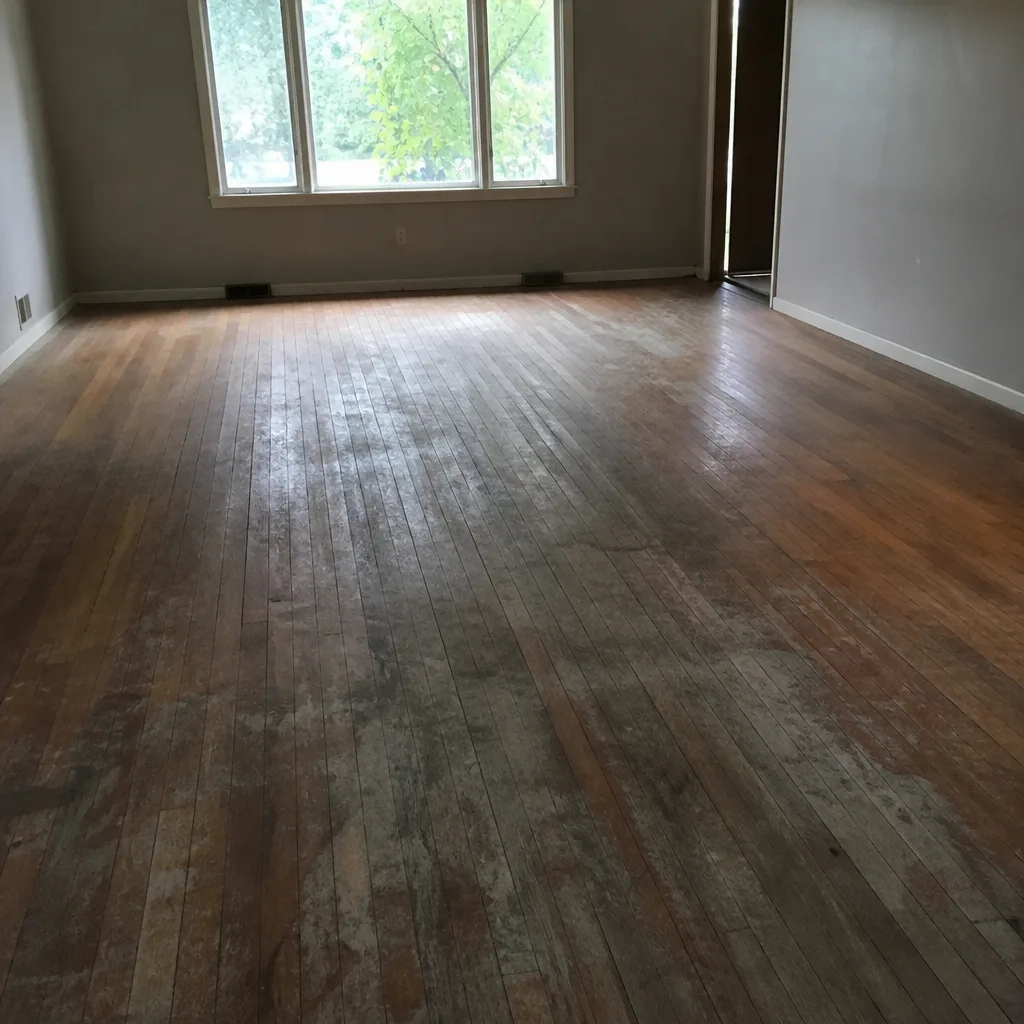 Before
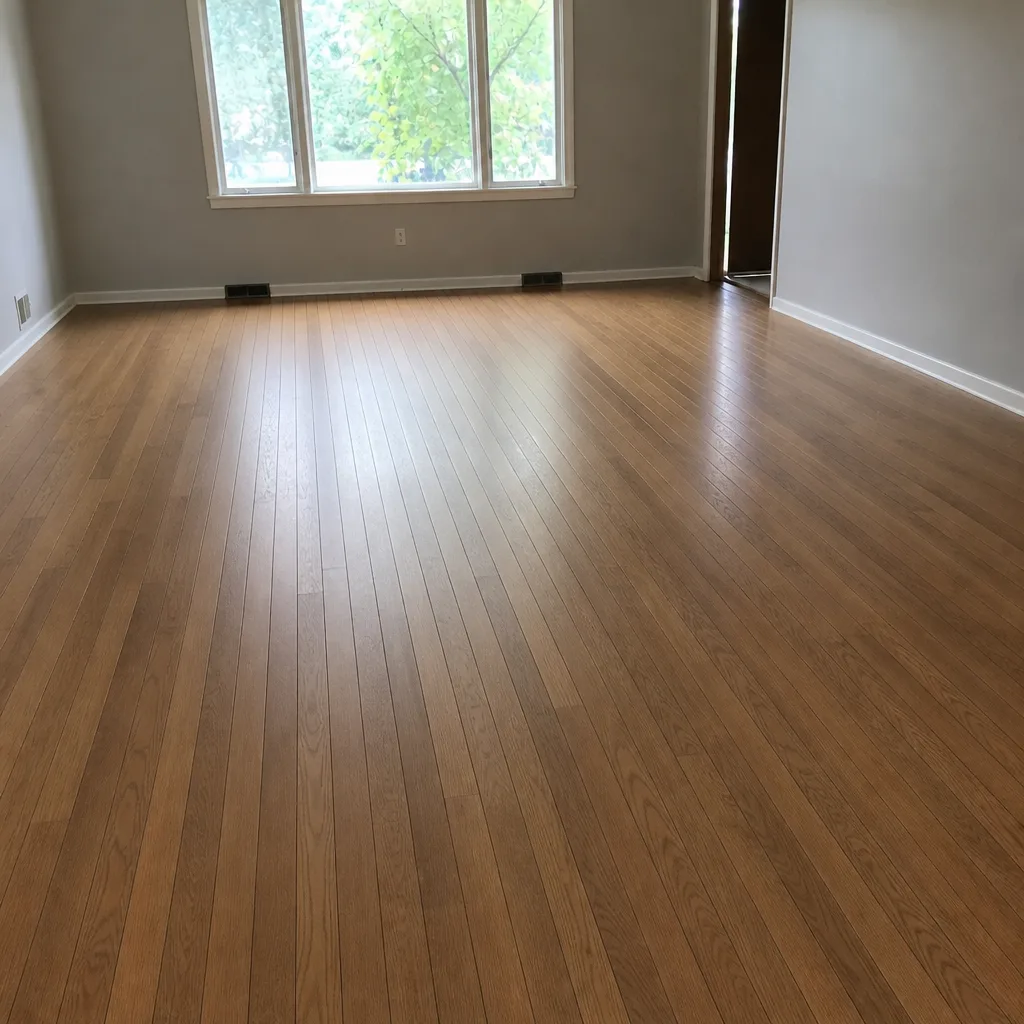 After
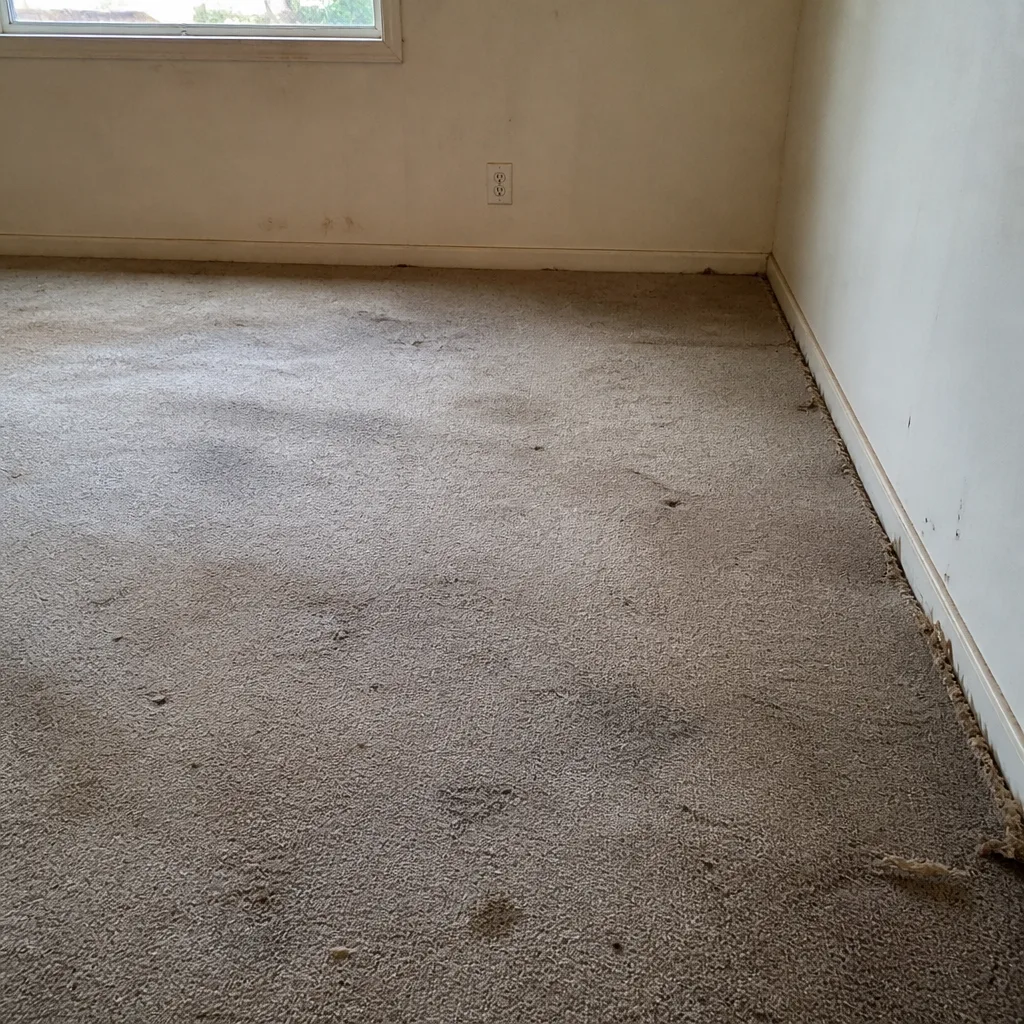 Before
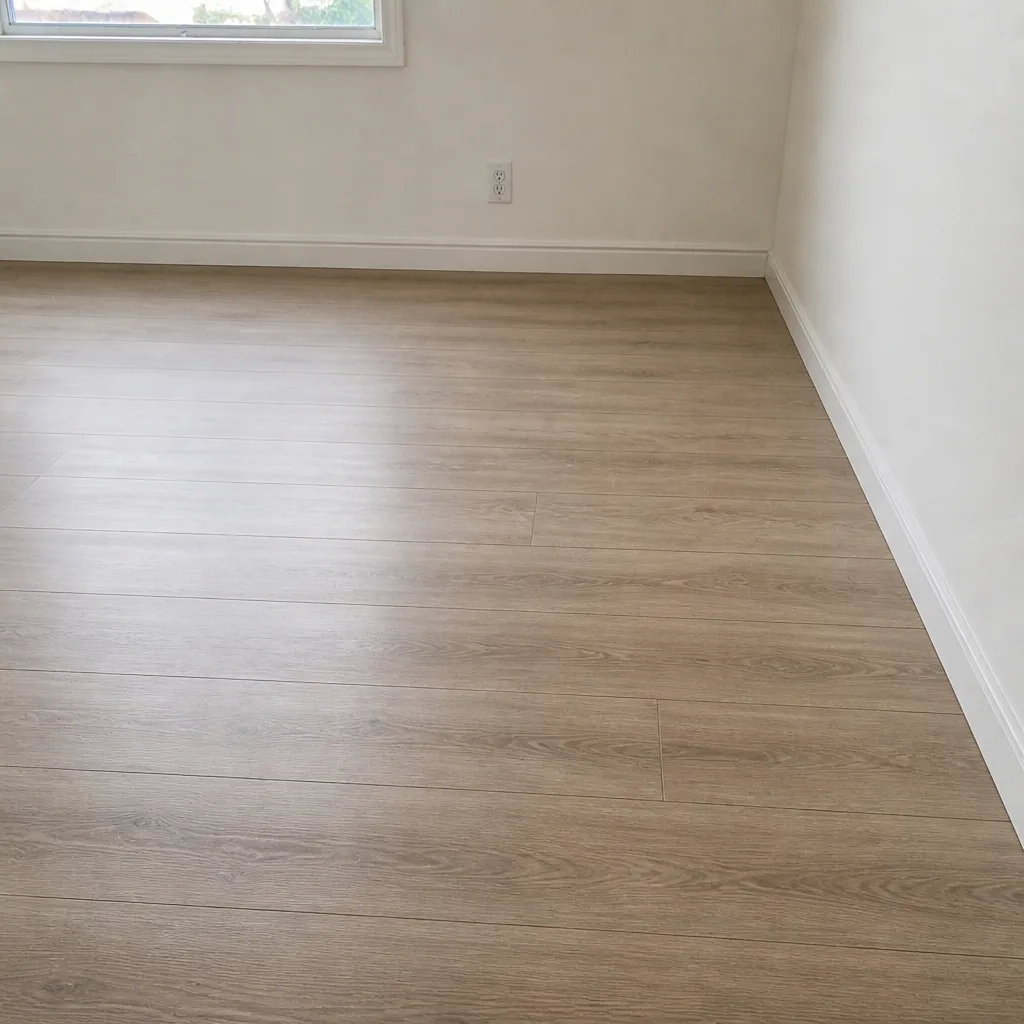 After
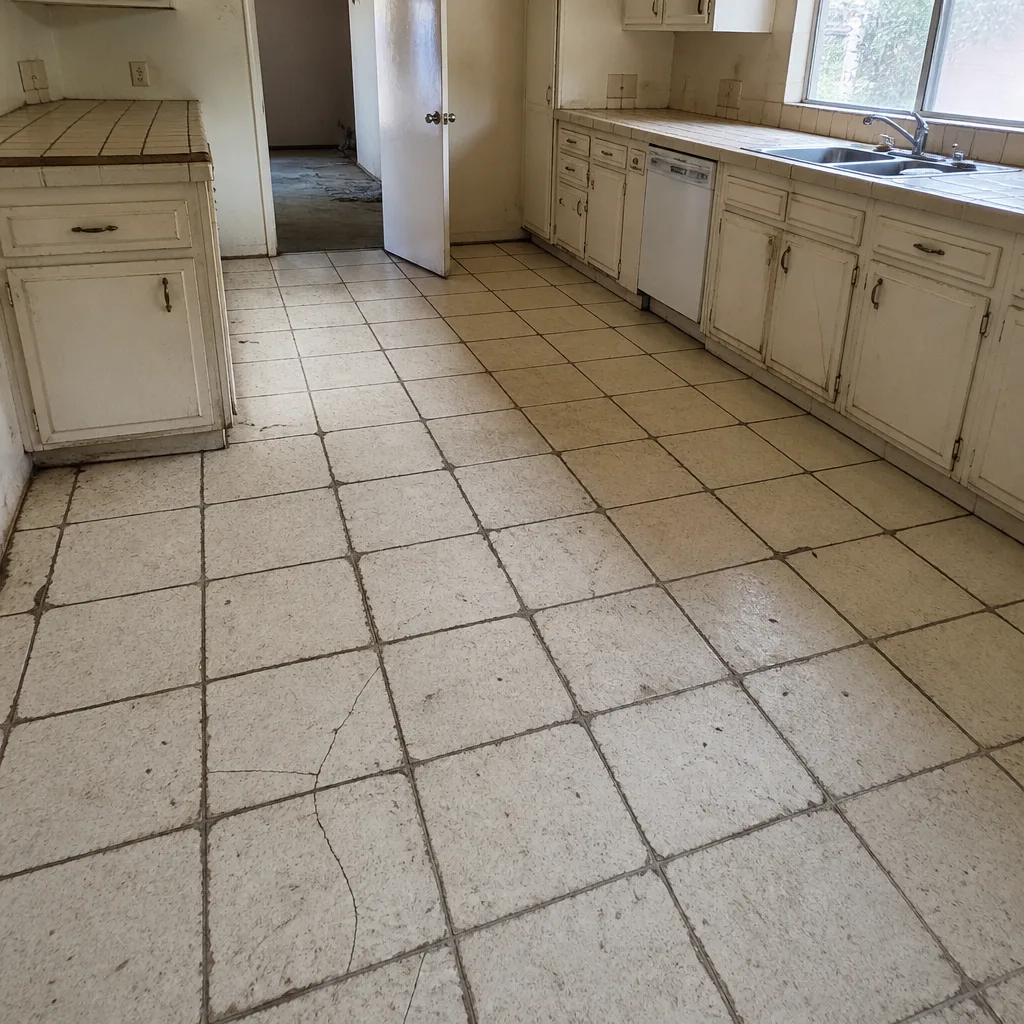 Before
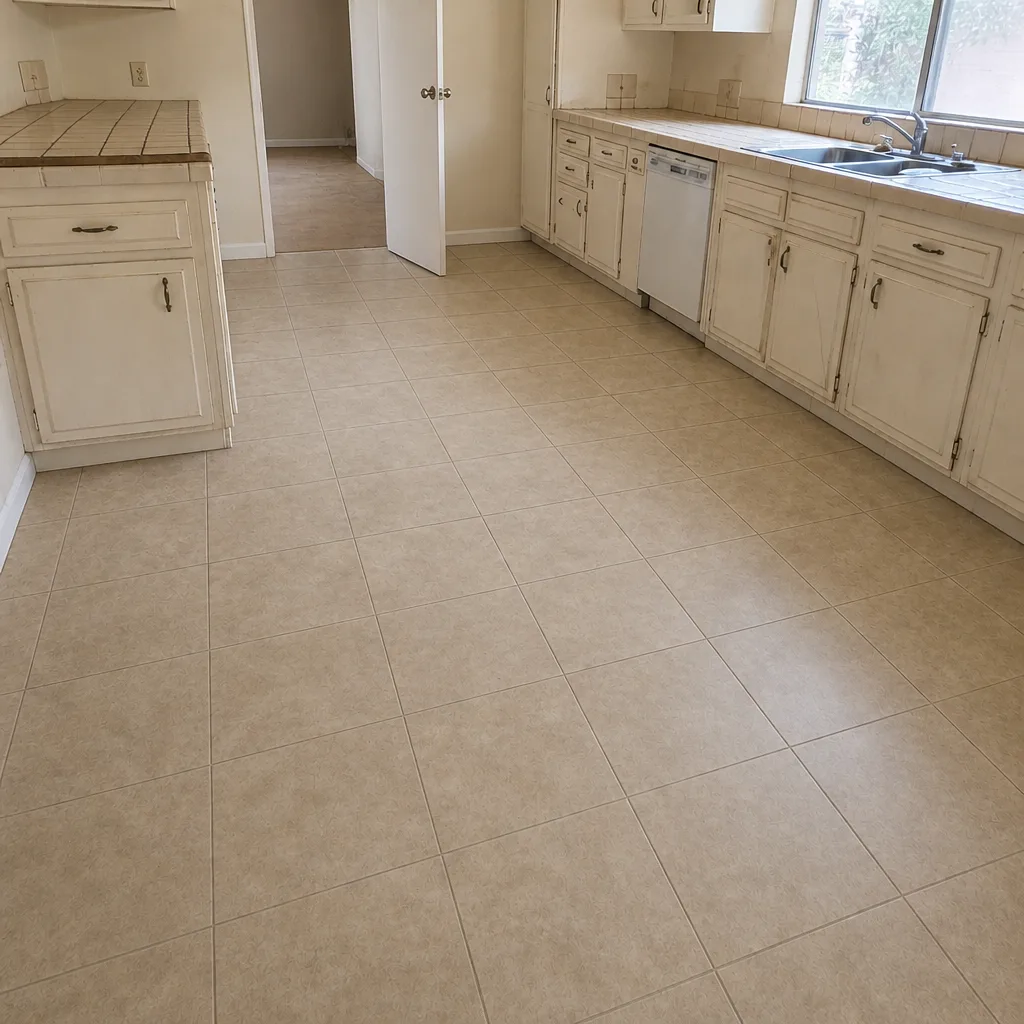 After
When to Call a Professional
Some flooring decisions are clear. Some aren’t. Call a professional when any of these are true: you’re not sure whether a problem is a surface issue or a subfloor issue; the damage covers more than one small area; the floor is hardwood and you’re considering refinishing; you’re weighing repair against replacement and want both numbers in writing; or the damage keeps coming back after a repair. Those last two are the biggest signal that a proper diagnosis is needed. For homeowners in the neighborhood, our page on Spring Valley lays out how estimates work here. Spring Valley Floors offers free estimates in Spring Valley. Call (833) 734-5027 to schedule yours.
Frequently Asked Questions
Repair costs depend entirely on the damage, the floor type, and whether matching material is available; a small tile repair and a whole-room plank patch are very different jobs. Replacement is priced per square foot by material, and the two numbers are only fair to compare side by side. Call (833) 734-5027 and we’ll give you a free written estimate on both options so you can decide with real numbers.
Repair is usually cheaper for a small, isolated problem on a floor with plenty of usable life left. Replacement is often cheaper in the long run when the damage is widespread, when the wear layer is gone, or when a subfloor problem needs fixing anyway. The answer depends on the lifespan you’re protecting, not on today’s repair price alone.
No. Refinishing depends on how much sandable thickness remains above the tongue and how many times the floor has been sanded before. Some engineered hardwoods can’t be refinished at all, and some solid floors have already used their sanding budget. Spring Valley Floors checks the thickness at the estimate visit and tells you honestly whether a refinish is a candidate for your floor.
Often yes, but a perfect color match can’t be guaranteed, and it depends on whether the original product is still available in a matching lot. Tile, vinyl, and carpet match by production run, not by product name. We check availability at the estimate and tell you what’s realistic before you commit to a partial replacement.
Straight-line tile cracks across multiple tiles, widespread hardwood cupping or crowning, repeated edge lifting in vinyl, and hollow spots underfoot are the four biggest signs. If you see any of them, fixing the surface alone won’t last. Spring Valley Floors inspects the substrate as part of any estimate on a floor showing those signs.
If gaps open in the dry winter and close in the summer, that’s normal seasonal behavior for the valley’s climate; it isn’t damage. If gaps stay open year-round, keep widening, or come with cupping, they’re a sign of a real problem. When in doubt, a free estimate is the clearest way to find out. Call (833) 734-5027 to schedule yours. We answer 24/7. Fast dispatch from 7am to 7pm, Sunday through Friday.
The Bottom Line
Repair or replace comes down to one question: how much usable life does the repair protect? For a young or well-maintained floor with isolated damage, repair usually wins. For older floors with widespread damage, or for any floor showing signs of a subfloor moisture or settling problem, replacement is generally the more honest answer. Between those, side-by-side written estimates are what turn a guess into a decision. At Spring Valley Floors, our technicians have up to 8 years of experience with hardwood refinishing, tile work, and carpet, and we quote both directions before you commit. Nine brands, one specialist, and your floor, your call.
Schedule Your Free Estimate
Call (833) 734-5027 to schedule your free estimate. We answer 24/7. Fast dispatch from 7am to 7pm, Sunday through Friday. We’ll look at the floor, walk you through repair and replacement side by side, and put both in writing. No pressure, no upselling. That’s the point.
Written by the team at Spring Valley Floors.